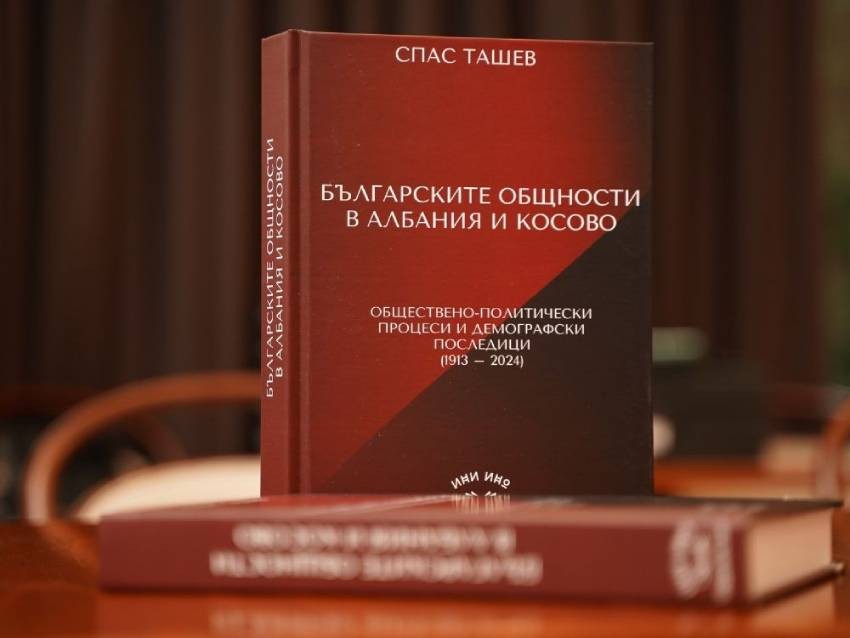
Today, Bulgarian society is largely unaware of the existence of the Bulgarian community in Albania and Kosovo, or of their activities. The book Bulgarian Communities in Albania and Kosovo. Social and Political Processes and Demographic Consequences (1913-2024) sheds valuable light on this issue.
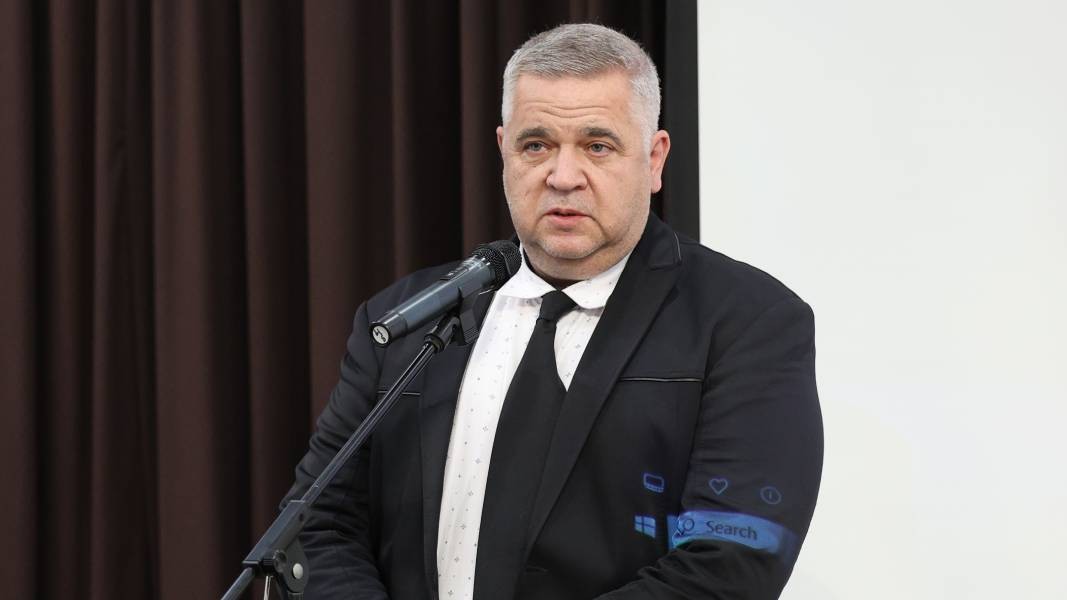
Our compatriots in this part of the Balkans have been neglected by Sofia's foreign policy ever since Bulgaria's liberation from Turkish rule. 'Since 1878, Bulgaria has focused on Macedonia and forgotten about its population north of the Shar Mountains,' says Associate Professor Spas Tashev, an author and researcher at the Institute for Population and Human Studies at the Bulgarian Academy of Sciences.
'Over 130,000 Bulgarians who lived there during this period remained outside the purview of the Bulgarian state and became subject to assimilation and Serbianisation. These people were registered as 'Bulgarians' in the Ottoman Empire's population censuses until the Balkan Wars. After that, most of the 130,000 Bulgarians in Kosovo — mainly Bulgarian Christians — were assimilated into Serbian culture. A small minority of fewer than 30,000 people who converted to Islam during Ottoman rule are currently the bearers of Bulgarian identity. Even among them, this Bulgarian identity is quite blurred," says the researcher of Bulgarian communities in the Balkans.
It is difficult to provide accurate statistics on the size of this community today.
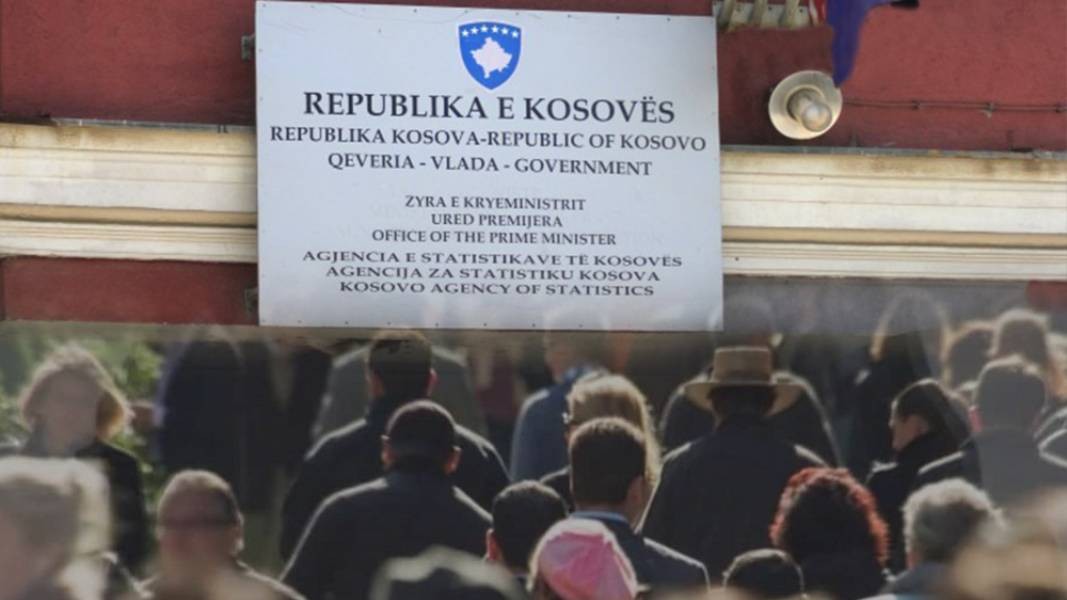
‘According to the most recent census in Kosovo, there are around 400 Bulgarians living there. We still do not have official data because, despite Bulgaria’s efforts to negotiate a separate category for Bulgarians with the authorities in Kosovo, this request was not complied with. Bulgarians fall into the “Other” category, with the possibility to specify “Bulgarian” in response to the nationality question.
A similar approach was used in Albania in previous censuses, where although people had the right to specify their origin, the number of Bulgarians recorded was negligible. However, after the Albanian parliament recognised the Bulgarian community in 2017, a census was conducted with a separate ‘Bulgarian’ category. We now see that the number of people declaring themselves as Bulgarian in Albania exceeds 8,000,’ Tashev explains in an interview with Radio Bulgaria. He believes that the same scenario will be repeated in Kosovo, which Bulgaria has recognised as an independent state.
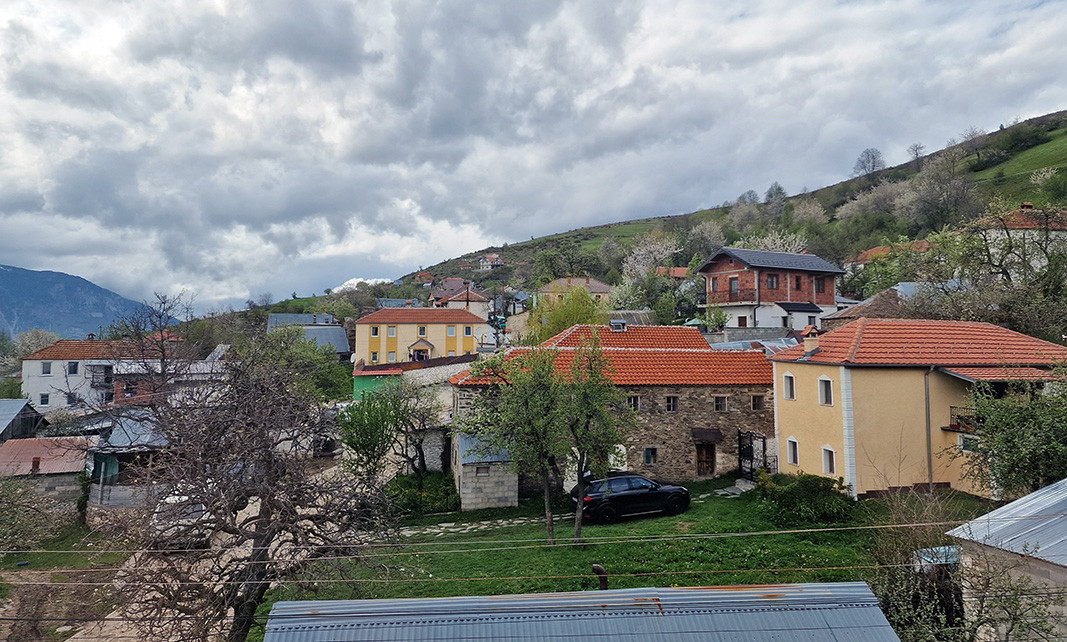
There are three areas in Kosovo where the so-called 'Nashentsi' ('our people'), as the Bulgarian community calls themselves and their language, live. These are Gora, Podgora and Zupa. The Gora region is divided by the state border between Kosovo and Albania. Following Kosovo's separation from Serbia, a search for identity began, and in recent years there has been a desire to establish Bulgarian associations to actively seek historical documents and promote facts about their past. The aim is to revive the Bulgarian Christian community.
But why do the Bulgarians in Kosovo call themselves 'Nashentsi'?
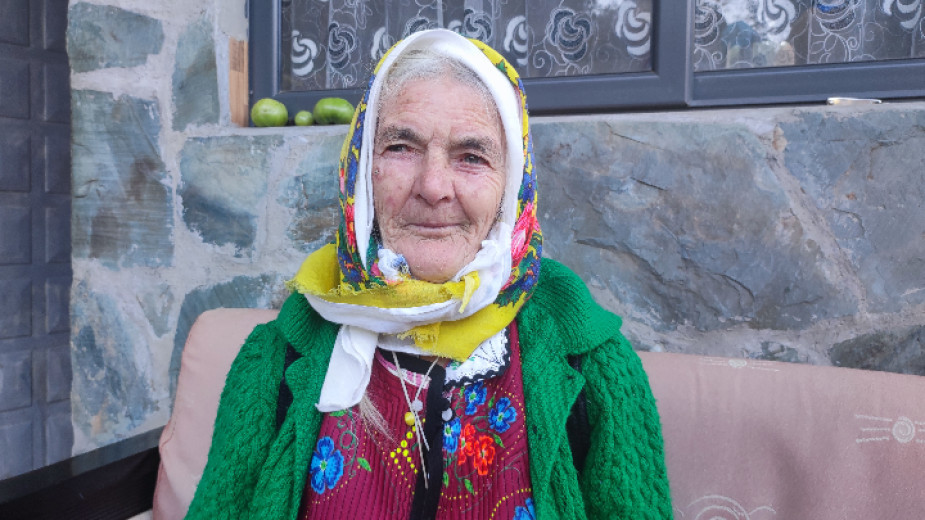
'The term Nashentsi (“our people”) is used to show that, although some individuals identify with different national identities, they all see themselves as part of the same local community. In the end, when they sit down together in the village pub, there are people who consider themselves Bulgarian, Macedonian, Bosniak, Serb or Gorani. However, everyone says, “Well, we are just our people — we speak the same Nashentski language,” the scholar explains.
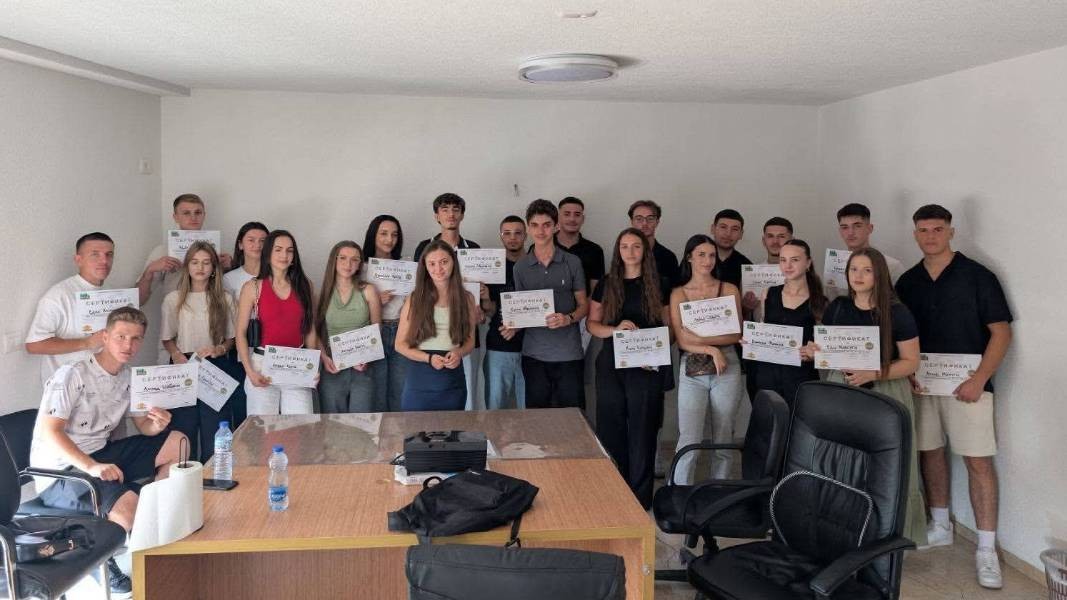
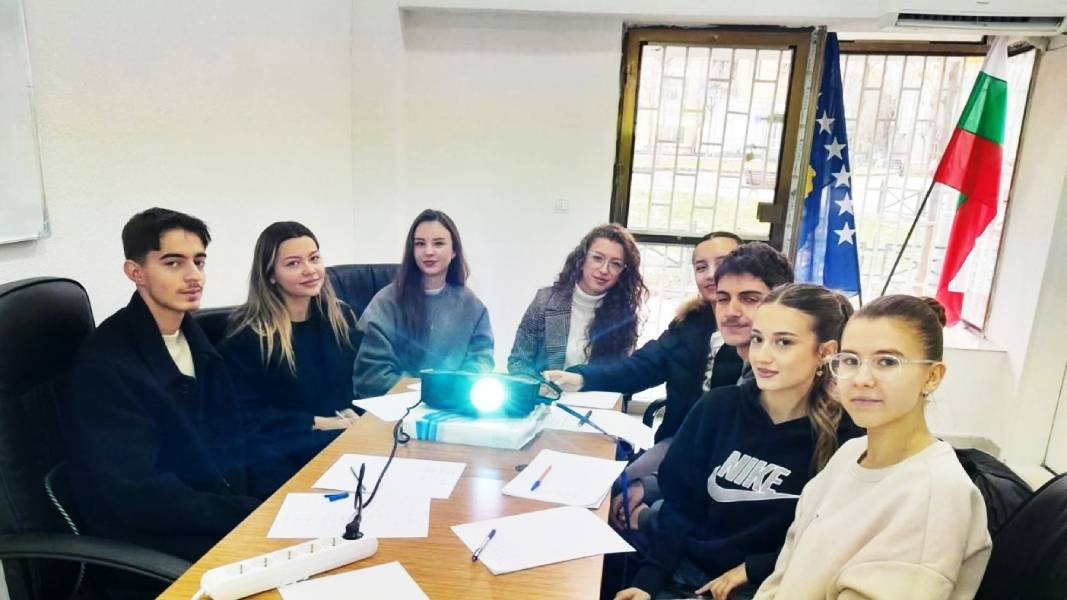
There is only one Bulgarian weekend school in Prizren. Each year, 15–20 Kosovar students enrol at Bulgarian universities. Bulgarian is primarily passed down orally at home as a mother tongue by women and older family members, since many men spend most of the year working abroad.
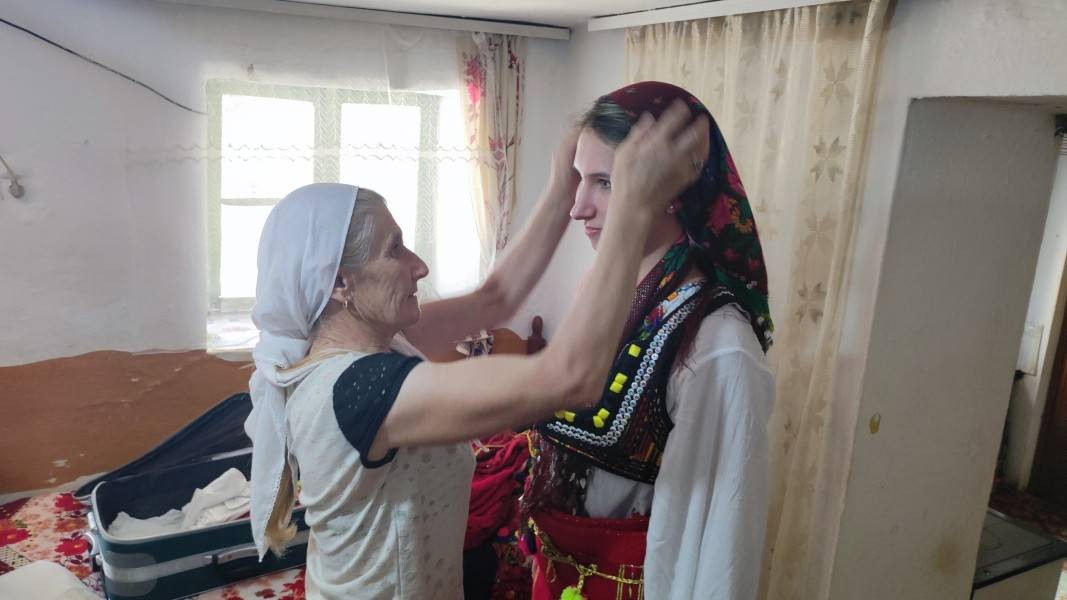
As an interesting and positive tradition, the demographer describes the preserved engagement and wedding rituals among the Bulgarians in Kosovo.
'Despite the fact that these people now migrate as families, when the young people grow up and it comes time to start families of their own, they follow a very clear tradition, probably going back centuries. No matter where anyone has been in the world, on St George’s Day (6 May), everyone returns to their native village. For several days, there are celebrations, during which the young people get to know one another and perhaps find a spouse. Almost all of the marriages concluded there are between members of this community. For now, at least, it is this marriage model that guarantees the continuation of the Bulgarian community.
However, it will not remain concentrated in the Gora region indefinitely. This tradition cannot be maintained forever, and the population will not remain compactly settled in the Gora region. It will disperse, which is why the time to preserve these ties through active Bulgarian policy is now, especially in the areas of education and the granting of Bulgarian citizenship,” states Associate Professor Spas Tashev categorically.
Photos: BTA, KosovaPress, Krasimir Martinov, Executive Agency for Bulgarians Abroad

Bulgaria celebrates National Reading Day on the third Friday of November. The Reading Foundation is leading the initiative under the motto: “Read. For Real”. According to the OECD's PISA 2022 study, 53% of 15-year-old students in Bulgaria have..
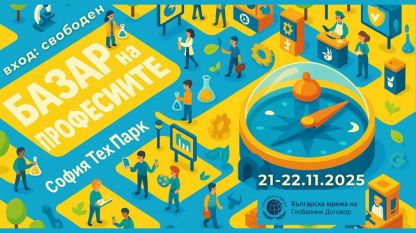
On November 21–22, 2025, the 11th edition of the Career Fair will take place at the John Atanasov Hall in Sofia Tech Park. The forum aims to support early career orientation for young people in Bulgaria and is organized by the Bulgarian Global..
From fear and doubts to joy and support – Bulgarians react differently to the upcoming introduction of the euro on January 1, 2026. For some, it is a logical step towards Bulgaria’s integration into the EU with promises of stability..




The Bulgarian minority in Romania marked a significant event with the official opening of the Bulgarian Inn in the village of Izvoarele (Hanul..

 Mostly Cloudy
 Partly Cloudy
 Cloudy