Transparency International’s Corruption Perceptions Index 2015 ranks Bulgaria in 69th position out of a total of 168 countries in the world. According to the 2015 report, this country has been firmly bottom of the list of all EU countries since 2012. What is more, unlike the other countries where the tendency, albeit negligible, is towards an improvement, the indices for Bulgaria are negative.
The Corruption Perceptions Index gauges the level of political and administrative corruption in a given country as it is perceived by businesses, analysts from all over the world, including experts from the countries surveyed. The rankings range from 100 points, meaning lowest, to 0 – highest corruption level.
Vanya Nusheva, Transparency International Programme Director:
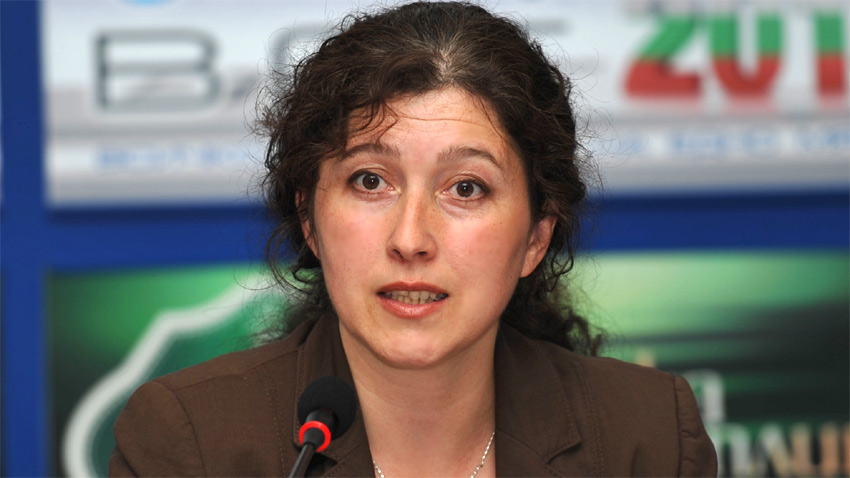 “This country occupies the last, 28th position among the countries members of the EU with a score of 41 – the average index for the union being 65 points. This goes to show that Bulgaria lags a considerable distance behind the other EU members. What is more, against the background of the overall positive picture in practically all other countries, this country is one of the few decliners. Bulgaria and Hungary are the only EU countries whose indices are down on their score from the previous year. The evaluation of the tendencies in the countries of Central and Eastern Europe, countries we traditionally compare ourselves with, is appreciably higher. The average index scores of the countries which joined the union after 2004 is 55 points. Once again, Bulgaria and Hungary are the negative exception, as opposed to the Czech Republic and Estonia. One of the advantages of the corruption perceptions index is that it affords an opportunity to make a comparison down the years, showing which direction a given country is moving in. Three years ago, Bulgaria, Italy, Romania and Greece all shared the last position with practically identical index scores. Two years later there is a positive tendency in Italy, Romania and in Greece which means they have gradually been rising from rock bottom, whereas Bulgaria has not.”
Corruption is rife at all levels of the system but is a blight most of all on the judicial system. Why is it that Bulgaria is the most corrupt country in the EU, what is it that we have omitted to do? Vanya Nusheva:
“If we take a look at the European Commission report we shall clearly see what components are missing from an anti-corruption policy that would be adequate to the problems of society. Within the judicial system the inefficient administration by the Supreme Judicial Council is clearly indicated, as well as insufficient investigation of crimes of corruption, of crimes perpetrated by people occupying senior official posts. Turning to the responsibility of the executive and legislative power, the question once again arises: when will an anti-corruption law be adopted and will it be applied efficiently, what steps are being taken in public procurement? The problems the latest European Commission report delineates show there is need of systematic, organized efforts aimed at good and efficient governance in all social spheres.”
Regrettably, we are far from the standards in the countries that top the list: Denmark, Finland and Sweden. Finally, what measures could Vanya Nusheva recommend in the fight against corruption:
“The institutions from the three branches of government – legislative, executive and judicial – must rally their efforts and take concrete steps towards more efficient administration. This year’s European Commission report contains some pretty specific recommendations. They can be interpreted as a tailor-made programme for progress in this sphere. The formal approach of registering headway and of mimicking reform must be abandoned. This means that when we are making legislative changes, they should be fundamental and provide solutions to the fundamental problems that have been identified, rather than a mere “facelift”. When we have the rules they should be valid for and applied by one and all.”
English version: Milena Daynova

The Bulgarian minority in Romania marked a significant event with the official opening of the Bulgarian Inn in the village of Izvoarele (Hanul Bilgarilor), Teleorman County (Southern Romania)- a locality with Bulgarian roots dating back over 200 years...

The 14th edition of DiVino.Taste, Bulgaria’s leading forum for wines and winemakers, will take place from 28 to 30 November at the Inter Expo Centre in Sofia. Over 80 producers from all wine regions will participate, offering tastings of around 600 of the..
Minutes before the second and final reading, at the parliamentary budget and finance committee, of the state budget for 2026, the leader of the biggest party represented in parliament GERB Boyko Borissov halted the procedure and sent the draft bill..




 Overcast, rain
 Cloudy