“Even though the European Commission has been insistent that gas transmission be liberalized via denationalization, Bulgaria is categorical it will not privatize Bulgartransgaz,” said Deputy Prime Minister Tomislav Donchev. “Bulgaria’s answer is “No”, the Bulgarian representatives taking part in the working group this week have received very clear instructions,” Tomislav Donchev said and added that privatization of the gas infrastructure is unthinkable.
Bulgaria risks sanctions amounting to 300 million euro over violations of antitrust regulations on the gas market. The EC’s objections go back to March 2015. Brussels says that Bulgartransgaz is obstructing rivals from gaining access to key gas infrastructures in Bulgaria. Some weeks ago Prime Minister Boyko Borissov stated that Bulgaria would offer Brussels an option that would mean the state retaining its ownership, but separating it from the operator. Donchev commented that privatization in the country had more or less been completed but that the state was yet to let go of its residual interest in different companies. “I see no reason for the country to get involved in sectors such as hotel keeping or real estate,” he said by way of example.
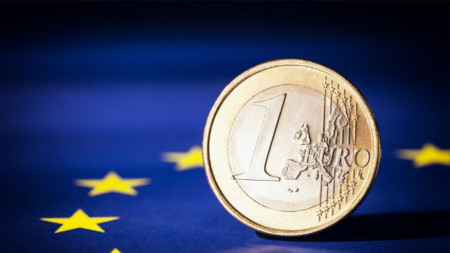
In its “Questions and Answers” section on the introduction of the euro, the Bulgarian National Bank has published a clarification on how the single currency should be denoted and written in accordance with EU regulations. The name of the..

The government approved the draft Law on the 2026 State Budget, as well as the Updated Medium-Term Budget Forecast for the 2026–2028 period. In connection with the introduction of the euro on January 1, 2026, all figures have been prepared in..
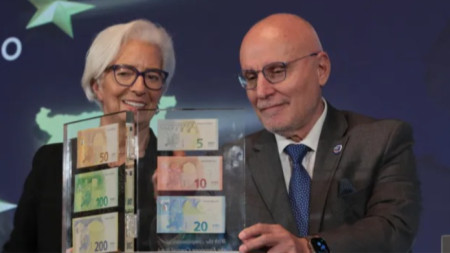
Citizens should remain calm about the introduction of the euro in Bulgaria from January 1, 2026, as the Bulgarian National Bank and commercial banks are ready for all processes related to the currency conversion and distribution of euro banknotes. This..




 Rain / Snow
 Rain
Rain Snow
Snow Значителна облачност със сняг