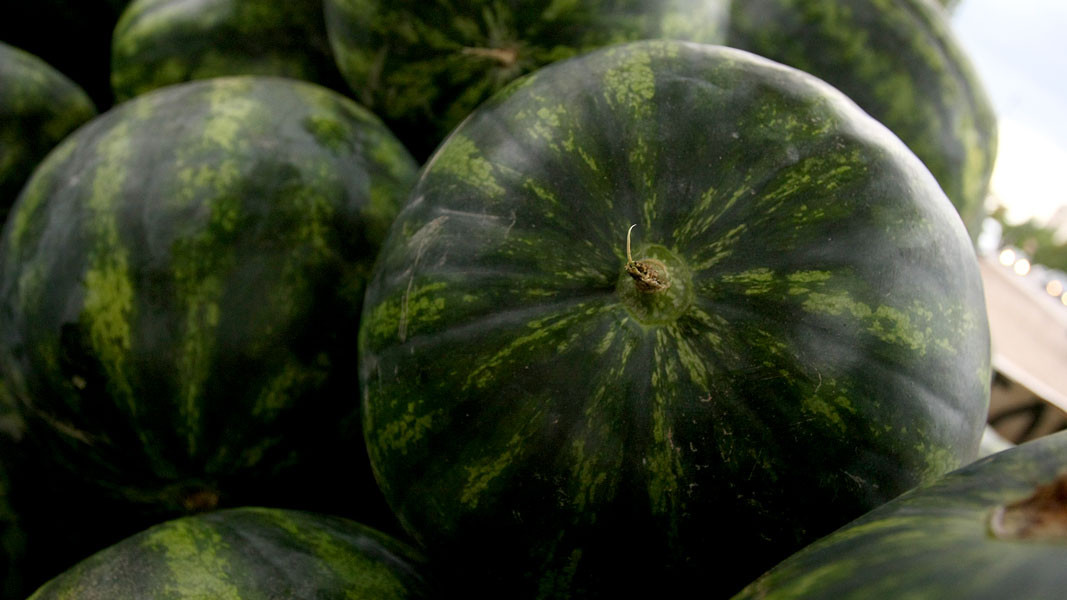
Nearly 80% of the fruit and vegetables sold on the Bulgarian market this summer are imported, the Chairperson of the Board of the National Union of Gardeners in Bulgaria Mariana Miltenova told the Bulgarian Telegraph Agency. The prices of fruits and vegetables in this country remain high due to the hailstorms and the drought in August.
The village of Tsar Samuil (Silistra district) is an example of how agricultural production can change according to the conditions, consumption and demand. Several years ago, this village was the biggest producer of Burley and Virginia tobacco. However, the farmers gave up planting tobacco due to the low purchase prices and other problems in the sector and decided to cultivate apricot trees instead. Marrows with juicy watermelons appeared on large plots of land near the Danube bank, which are suitable for irrigation. Now, Tsar Samuil is famous as the village with the sweetest watermelons in the region. However, this was not enough for the local farmers. Along with the production of apricots, watermelons, peaches and cherries, the vegetable production has also gained momentum. Greenhouses, where the local farmers grow cucumbers, tomatoes and lettuce in all seasons appeared in a very short time. This produce is sold on the markets in Northeast Bulgaria.
Nuri Ismail from the village of Tsar Samuil is a hereditary gardener. We met Nuri at the vegetable market in the nearby town of Kubrat in the season of the pickled vegetables and the tomato and pepper chutney (lyutenitsa). He and his wife Ayshe sell tomatoes, eggplants, chilies, cucumbers, peppers and other vegetables.
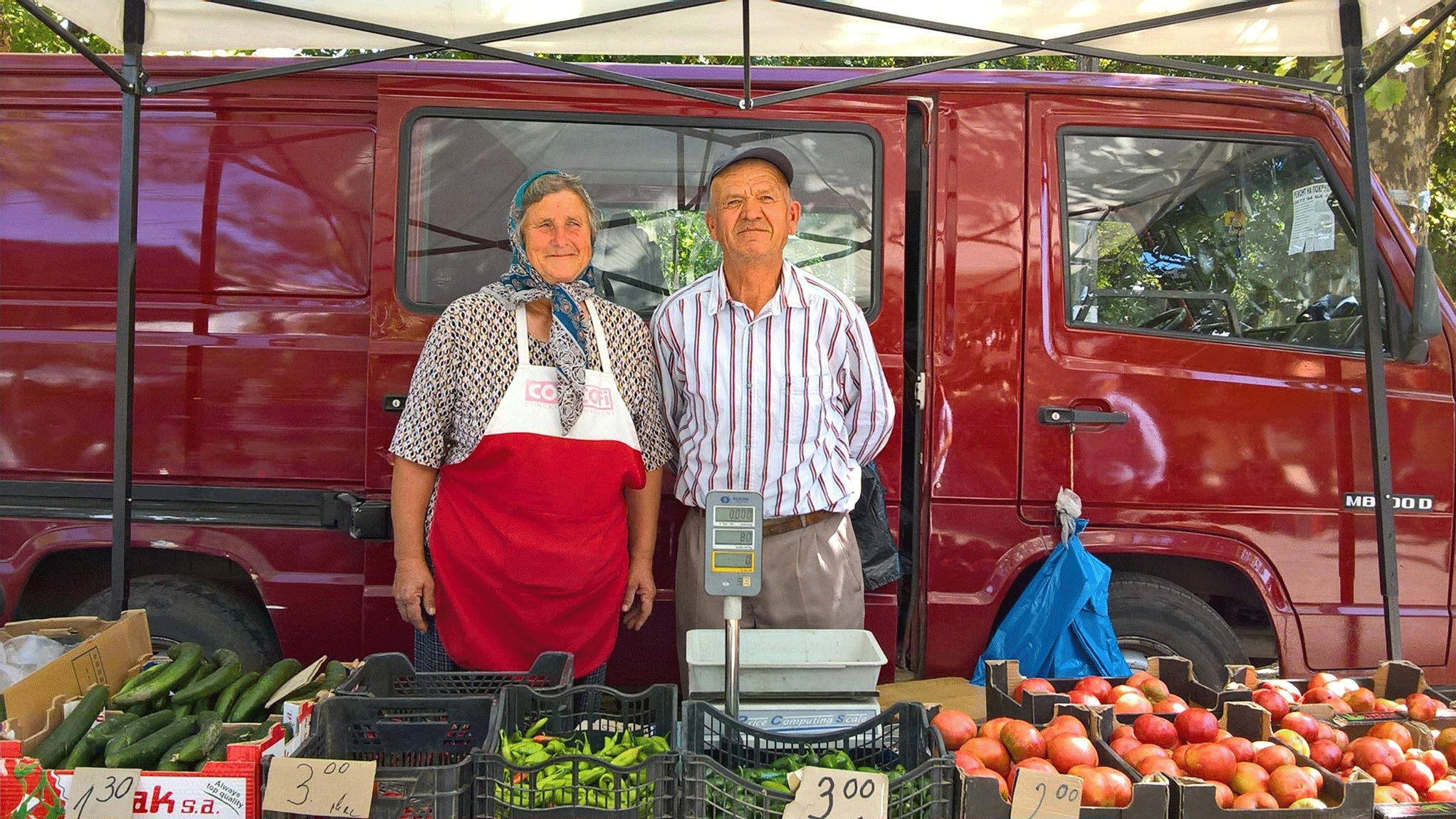
My father is the founder of gardening in the village of Tsar Samuil. He started to plant vegetables nearly 45 years ago. Today, I continue this tradition. I am a carpenter, but I changed my profession and became a gardener. Now, vegetable gardening is the main livelihood of my family. Gardening requires a lot of labor and perseverance, but irrigation is the main factor in this job. The farmers do not know what is holiday and work all year round. The prices of our produce, unlike in Bulgaria’s capital Sofia, are lower. We grow Bulgarian tomato sorts “Pink Magic”. This year we managed to sell a kilo of tomatoes for 2.50 Leva (EUR 1.25). In previous years, we were selling our produce for 10 Eurocents per kilo. Each year prices fall dramatically in the season of the pickled vegetables, but this year they went up, because of the rain, the hailstorms and the drought in August. I sell my produce mainly on the vegetable markets in Tutrakan and Kubrat, Nuri Ismail went on to say.
Waterlessness is the biggest problem in this part of Dobrudja region. Although the village of Tsar Samuil is only several kilometers away from the Danube River, the irrigation systems built during the socialist period were destroyed and due to the limestone soils, the water here is at a big depth. Nuri Ismail dug a well in his yard, which cost him nearly EUR 5,000. He managed to produce vegetables with the help of his children. However, the young people are reluctant to engage in gardening, Nuri says and adds:
Nearly 20% of the fruits and vegetables sold on the Bulgarian market are produced in this country. The rest of the produce (80%) is imported from the neighboring countries Romania, Turkey and Greece. The people who sell small quantities of produce are gardeners. The people on the neighboring stands who sell huge quantities of peppers, tomatoes and other vegetables are resellers who buy the produce and later resell it. Our villages are depopulating, the young people are looking for jobs abroad and agriculture does not attract them, because it requires time, willingness and hard work.
English version: Kostadin Atanasov
In its “Questions and Answers” section on the introduction of the euro, the Bulgarian National Bank has published a clarification on how the single currency should be denoted and written in accordance with EU regulations. The name of the..

The government approved the draft Law on the 2026 State Budget, as well as the Updated Medium-Term Budget Forecast for the 2026–2028 period. In connection with the introduction of the euro on January 1, 2026, all figures have been prepared in..

Citizens should remain calm about the introduction of the euro in Bulgaria from January 1, 2026, as the Bulgarian National Bank and commercial banks are ready for all processes related to the currency conversion and distribution of euro banknotes. This..







 Cloudy
 Scattered showers
 Cloudy
 Fog
Fog Partly Cloudy