The new initiative “Adopt a beehive” launched with the aim of preventing the disappearance of bees and honey producers, has been gathering momentum. Essentially, it is a way to subscribe to high-quality Bulgarian honey, and help people in the beekeeping industry at the same time. What are the motives behind this campaign?
According to the European Commission, by 2022, one-third of all beekeepers in Bulgaria will have given up beekeeping, explains Sergey Petrov, one of the organizers of the campaign. At this time the sector is not particularly attractive, especially to young people. That is a really bad thing because one-third of everything we eat depends on pollination by bees. When beekeepers have been kicked out of the industry, we shall be left with an insufficient amount of pollination. We want Bulgarian beekeepers to be paid adequately for their produce.
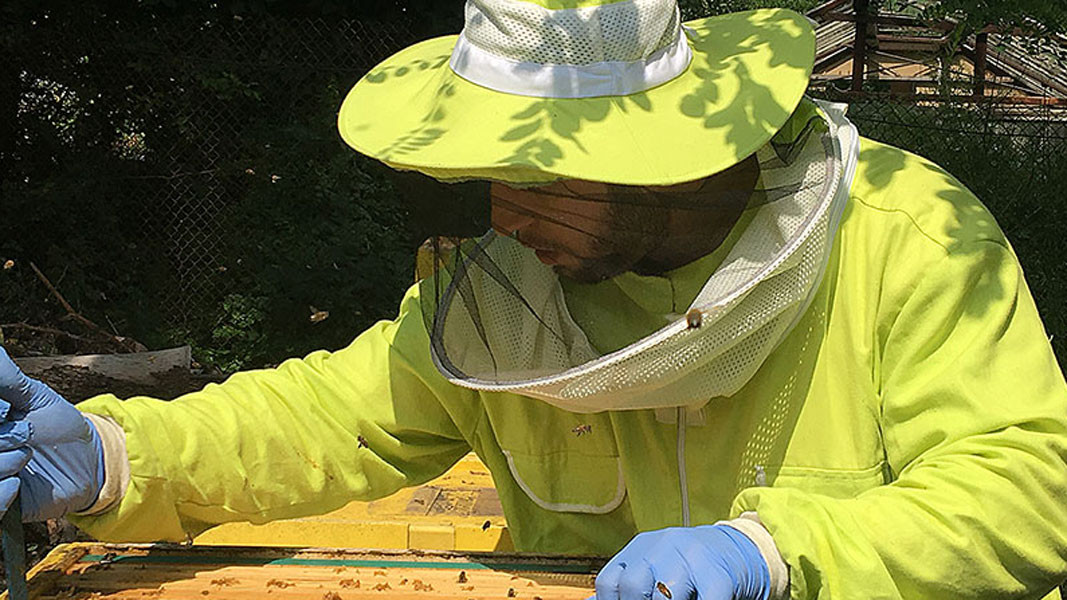
The people who adopt a beehive receive honey in exchange for a given monthly sum. There are other activities as well which bring them in contact with the life of bees – visiting the adopted bee-hive, choosing a name for the queen bee, a certificate of support etc. The delicious Bulgarian honey reaches anyone anywhere – in Bulgaria or abroad.
 More than 200 beehives have so far been adopted, around 10 businesses have joined the initiative. We weren’t expecting so much interest – our campaign was launched at the end of last year. More and more beekeepers want to work with us, Sergey Petrov says and adds that often beekeepers do not have enough time to devote to the economic aspect of their work. This on its part enables large resellers to put pressure on them to undersell their produce. In the words of Sergey Petrov, the causes for this state of affairs are complex, but he points to some of them:
Beekeepers are, to some extent, overlooked as part of the overall agrarian policy. If there were no bees there would be no apples, for example. Nobody ever thought pollination could become a service, but that is already happening in USA. A loss of 40-45 percent of the bees is registered there every year due to the high industrialization levels. In Bulgaria around 20 percent of bees die every year.
Another factor is the fact that legislation does not provide any protection. One problem is the entry into the market of Chinese honey of dubious quality. If it is mixed with no less than 20 percent pure Bulgarian honey, then it can be sold with the label “Bulgarian honey”. We find this unacceptable. It is our view that 100 percent of the contents must be a genuine, certified, laboratory-tested product.
 In Bulgaria, most regions offer rich pasture for bees – there are pure Bulgarian honey blends which contain more than 30 vitamins.
The beekeepers taking part in the “Adopt a beehive” initiative are from different parts of the country and this means a wide range of people, honey blends and ways of keeping bees, says Sergey Petrov and adds:
We shall definitely take this good practice outside the bounds of Bulgaria, but before that we shall get acquainted with the problems of beekeeping in the individual regions and see whether we can solve them. We think that it is the biggest nations with more advanced agrarian economies that have the biggest problems. Our next markets will probably be in German-speaking countries.
The beehives included in the platform use Bulgarian-made remote monitoring smart devices. These devices provide beekeepers with adequate information about the state of the beehives.
Photos: istinskimed.bg

The Bulgarian Embassy hosted the second concert of the 17th season of the Bulgarian Music Society in Washington. On 14 November, guests enjoyed a unique show by two world-class artists, both originally from Bulgaria: Desi Jordanoff, a folk dance master,..

Generation Z students (born 1995–2012) are widely using artificial intelligence in their learning, with teachers reporting that more than 85% complete homework and study with the help of digital assistants. Children tend to see AI as a partner..
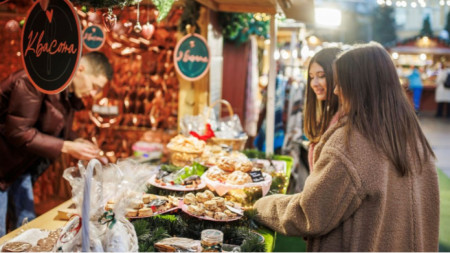
This year, Christmas has "arrived" in Sofia as early as November with the aroma of mulled wine, cinnamon and festive magic. Radio Bulgaria recommends that you visit some Christmas spots in the Bulgarian capital city: For those most impatient to..





 Cloudy
 Cloudy
 Mostly Cloudy