A week ago, a series of events unleashed mass discontent among Bulgarians. Coincidentally or not, the attempt of the leader of "Yes, Bulgaria" party, Hristo Ivanov, to reach the beach near the oil port of "Rosenets" and his fight with representatives of the National Security Service, guarding the residence of the honorary chairman of the Movement for Rights and Freedoms, Ahmed Dogan, raised topical issues.
The reaction of President Rumen Radev regarding the way it is determined whether Dogan and his ally Delyan Peevski have the right to personal security at the expense of taxpayers, was not late. A day after Radev's official statement, the Specialized and Military District Prosecutor's Offices entered the presidency over two different pre-trial proceedings. Coordinated prosecution actions and the subsequent detention of President Radev's adviser and secretary sparked public associations of an institutional coup.
Even while the prosecutor's operation on "Dondukov" 2 was still going on, citizens gathered for a spontaneous protest in front of the presidency. A number of experts, including human rights lawyer Mihail Ekimdzhiev, described the incident as "a pogrom against the constitution and a prosecutor's coup against the presidential institution". The civil discontent escalated into daily anti-government protests demanding the resignation of both the cabinet and of Chief Prosecutor Ivan Geshev.
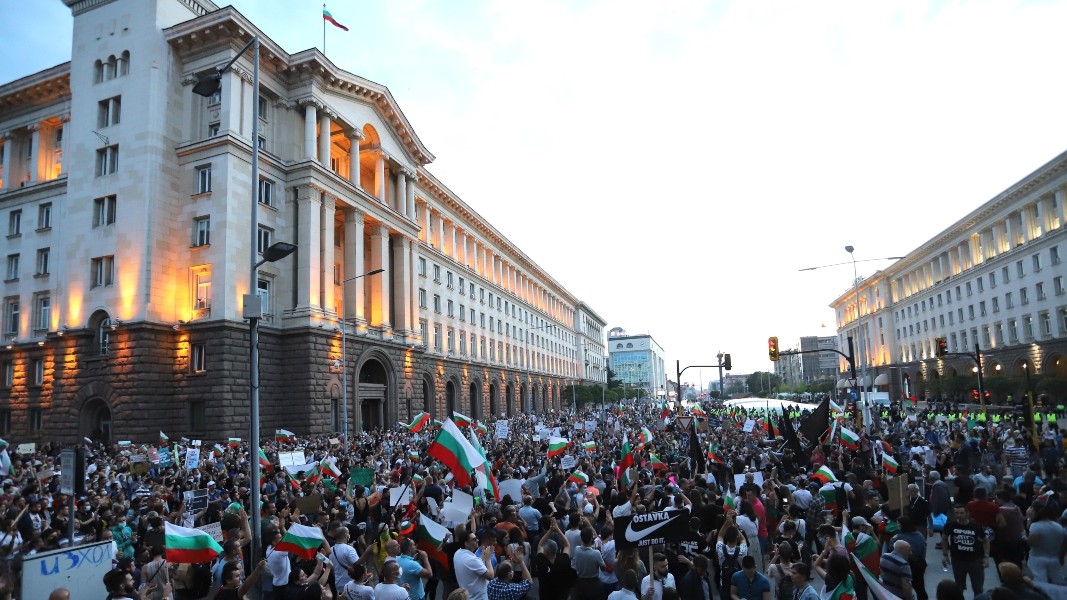
Gradually, protests spread throughout the country, reaching some Bulgarian communities abroad. Many analysts have compared the recent events to the protests of 2013-2014 and expressed concern that without a leader, demands for a change in the current political model would not achieve expected results. As a reason for this, analysts pointed out the oligarchic system, which prevents any attempts at creating political alternative.
The image of protests in the so-called “triangle of power” downtown Sofia, as seen in photos and comments in social networks, looks a little different. It clearly shows the desire to put an end to corruption and lawlessness, which protesters say have merged with the government for 30 years. Perhaps, that is why some see a resemblance to the events of the early 1990s, when Bulgarians believed in democratic change and insisted on replacing the political model.
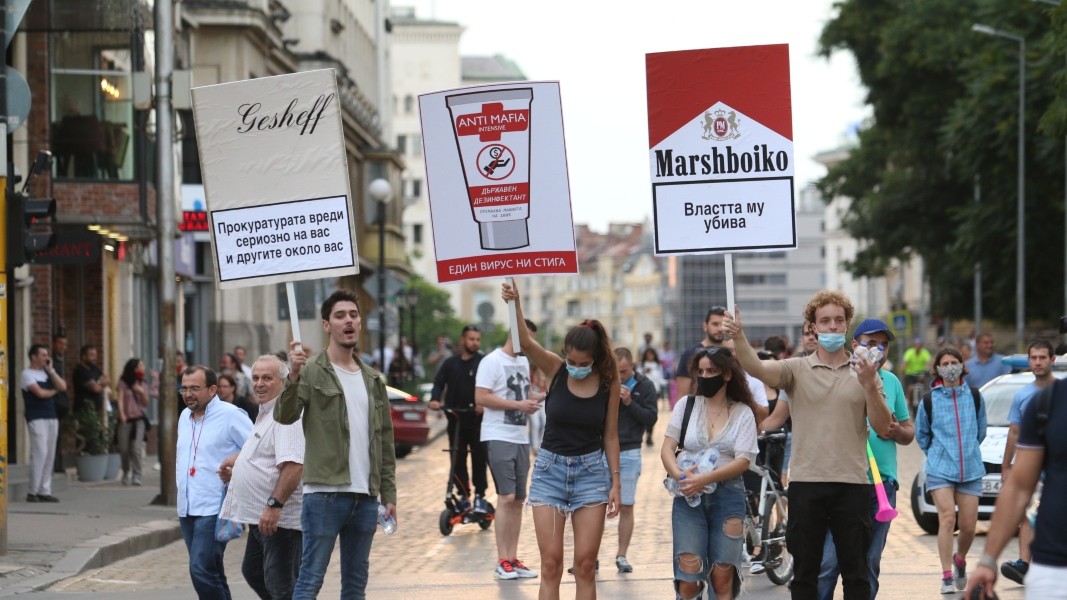
"Now our children are in the street, and they are just as passionate and uncompromising as we were in 1989-1990!", publisher Zhana Ivanova wrote in social networks. She recalls how protesters back then went to the squares together with their children, who are now adults and are doing the same thing.
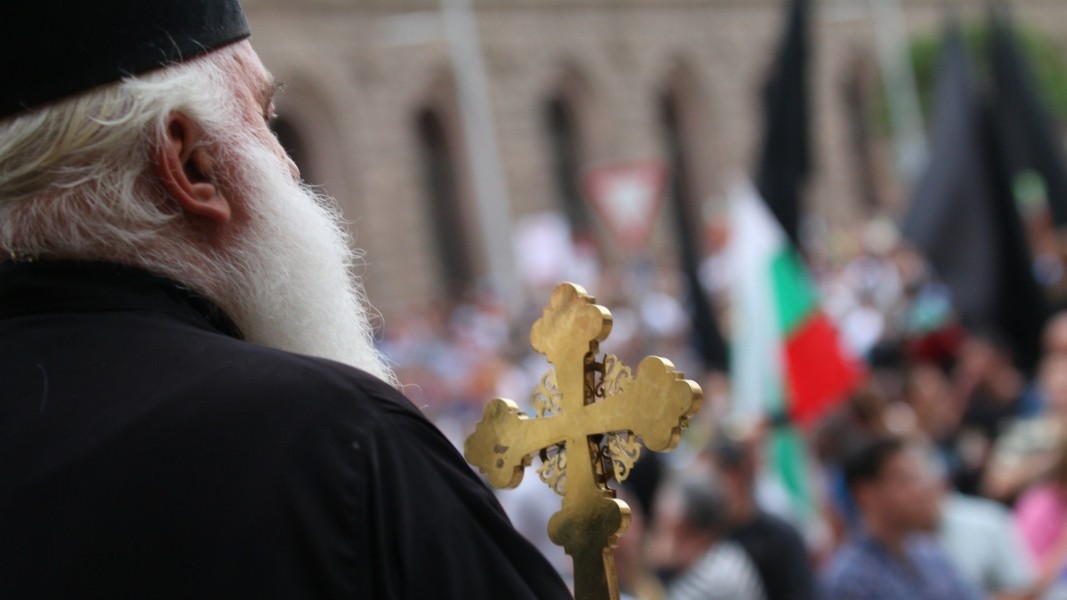
Are the protests going to achieve the much-sought change? Analysts' forecasts look rather skeptical. The looming economic crisis caused by the Covid-19 pandemic, as well as the attempts of certain figures to use the energy of protests to their advantage, causes skepticism among many people as they do not see a real alternative to the current government. However, everyone seems firm about one thing – changes are needed.
English: Alexander Markov
Timișoara, a large multicultural city in western Romania, is the center of the historical community of the Banat Bulgarians . The members of this community are descendants of settlers from the Bulgarian lands nearly three centuries ago, who have..

In Gabrovo – a city in the geographical center of Bulgaria, once described as the Bulgarian Manchester, but today facing demographic challenges – there are young people who believe that the future can be better and that this largely..
For 15 years, Stela Nedkova has been living in Brussels . After completing her education in Bulgaria, she decided to test herself in a different reality to see whether she could handle life’s challenges on her own, without her parents’ help. Stela faced..



 Partly Cloudy
 Mostly Cloudy