
Flexibility and less red tape over the next operational programming period – these are some of the effects of the regulation agreement on the general rules of access to the EU structural funds and their management reached at the beginning of December. It took the European Commission, the European Parliament and the Council of the EU two years to reach an agreement enabling the countries, municipalities and beneficiaries to have clarity as to what conditions and requirements they have to meet in order to receive European funding over the next seven years.
In the words of MEP Andrey Novakov, it is now absolutely clear how the funding, amounting to 330 billion euro will be distributed. But what is the most important element of the general regulation providing access to them?

“The least advanced regions will receive 85% co-financing from the European budget even though the initial proposal was for 70%,” Andrey Novakov explains. “The increased co-financing for projects means a breath of air for the national budgets of the member countries as well, and for the local budgets of our municipalities. To my mind it was important that we managed to guarantee transparency and control of the spending of European funding – in terms of fraud and single auditing, as well as of public disclosure of information. Under this regulation Bulgaria will receive 11.5 billion euro which means: 5 billion for regional development, 2 billion for investments in employment, 1.5 billion for the environment, 1 billion for energy transition etc.”
The benefits of the agreement reached on the regulation of the EU’s multiannual financial framework include reducing red tape, says German MEP Constanze Krehl:

“Each one of the participants in the discussion on the subject complained of the excessive red tape when applying for operational programmes. Now the documents will span no more than 35 pages. In addition, all regions will be able to participate in regional policy effectively, as the funding allocated is considerable.”
Flexibility in applying the measures depending on the needs – this is another significant achievement according to Heinz Hetmeier, representative of the German Presidency of the Council of the EU.
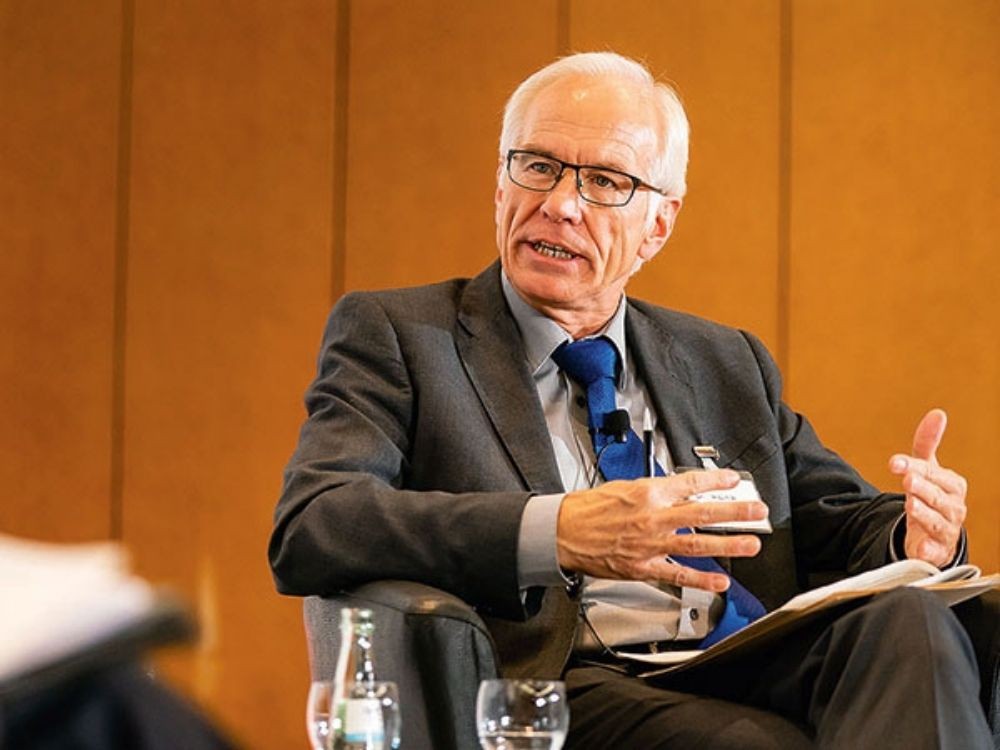
In his words, in the conditions of Covid-19 the union’s cohesion policy has demonstrated that it is an important tool for a flexible reaction in unforeseen circumstances.
Heinz Hetmeier agreed with Constanze Krehl that reducing red tape makes everyone’s job easier – all the people responsible for the EU’s cohesion policy locally, in towns, rural areas, in regions, in the member countries as a whole. He added that the new rules would make the distribution of resources more flexible and make more transfers among the various regions possible.
Photos: eufunds.bg, BGNES, constanze-krehl.eu and zm-online.de
Three-time world champion and Olympic weightlifter Carlos Nasar will be holding a special event with the Bulgarian community in London on 23 November. According to the organisers, it will be an open conversation in which Nasar will discuss his journey..

On 16 November, we celebrate Caritas Day, when we honour the Catholic Church’s charity organisation that brings hope to those in need through care and acts of mercy . It reminds us that financial gain is not what matters most. What truly matters is..

The first museum of investment gold is welcoming visitors in Plovdiv who want to learn more about the history of money and its connection to gold – from the birth of gold, its cosmic origin, and its journey to Earth, to how this precious metal has..





 Mostly Cloudy
 Fog
Fog Partly Cloudy
 Cloudy