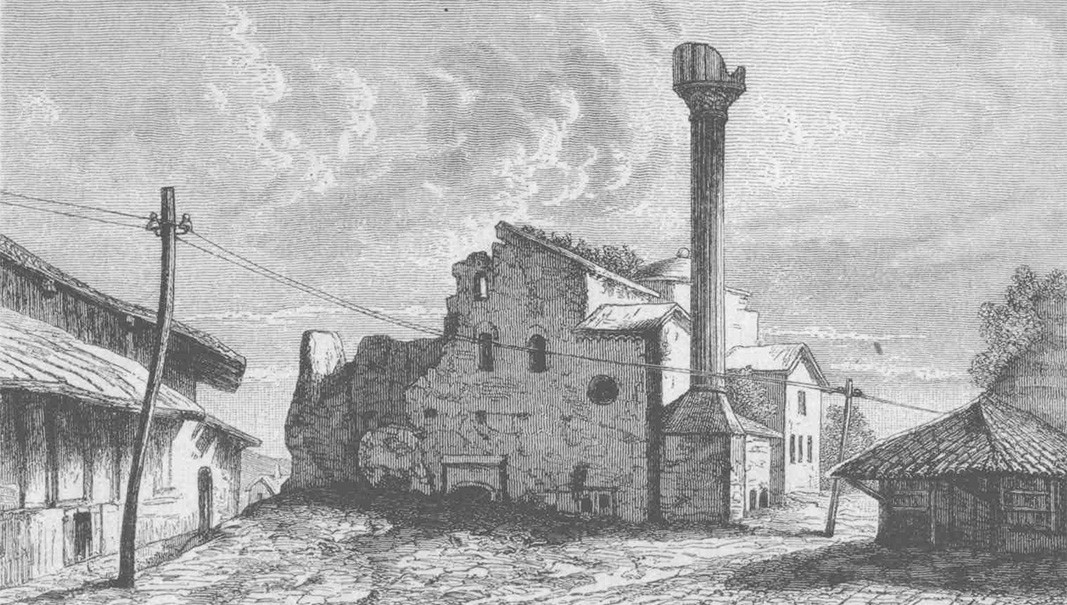
143 years ago during the Russo-Turkish War (1877-1878), on the eve of January 4, Sofia was on the verge of being set on fire and its population massacred. However, an unforeseen factor prevented this from happening and the city was saved…
The year was 1878. During the frosty early hours of January 4, the distant echo of cannon blasts reached the city. Sofia fell silent in fear. The wind was ominously swaying the gallows erected by the Ottomans around the city. The Russian liberation army, led by General Gurko, was expected to enter Sofia at any moment.
At this dramatic moment, the Ottomans realized that they had to leave the city urgently, otherwise they would be surrounded and captured. Commander Osman Nuri Pasha ordered a retreat to Pernik. And he issued an order for Sofia to be set on fire and for the entire Bulgarian population to be massacred. Authorities warned foreign consuls and told them to leave immediately with their property, but the Ottoman government faced strong resistance from the Europeans.
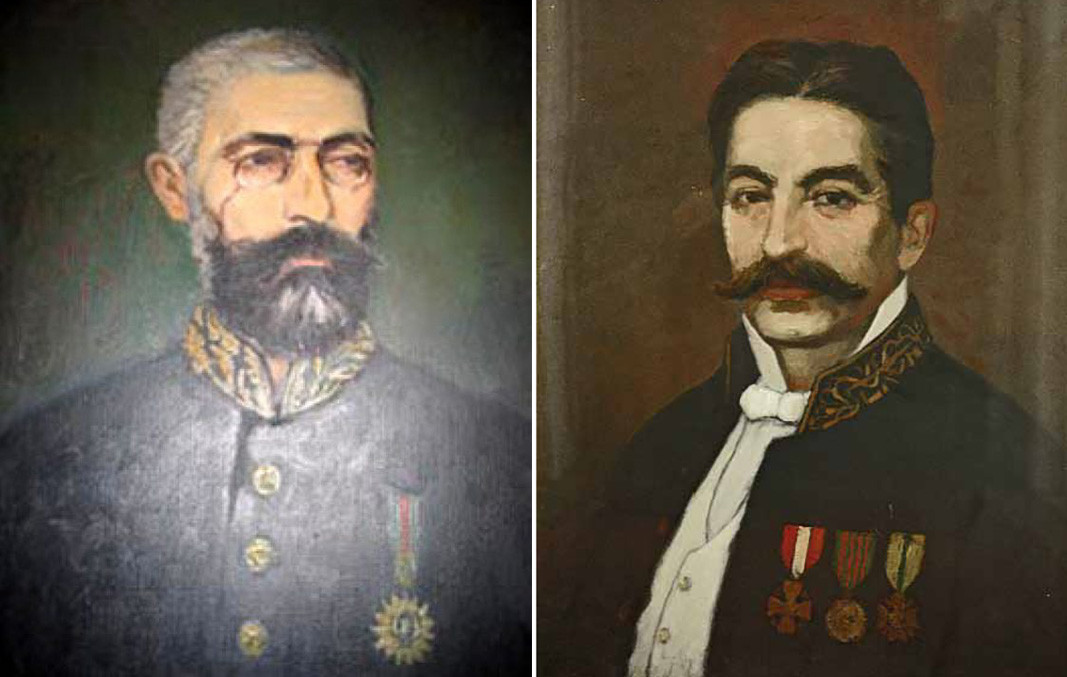
The consuls of France and Italy – Count Léandre François René le Gay and Vittorio Positano firmly stated that they would not leave, showing solidarity with the local population. They were joined by the Austro-Hungarian consul Josef Waldhart and the city's chief rabbi, Gabriel Almosnino, and their protest in defense of Sofia caused serious diplomatic complications. The courageous act of the diplomats led to the revocation of Osman Pasha’s order and Sofia was saved…
The Ottomans believed that the harsh winter would thwart the Russian army's attempts to liberate the city but they were wrong! On the eve of January 4, the Ottoman troops fled in panic, despite their superior number. This was the moment when the Russian troops attacked, captured the konak (official residence) and lowered the Turkish flag. The last fights took place in the area of the village of Dolni Bogrov, east of Sofia.
On January 4, 1878, around 11:00 am, General Gurko set foot on the emblematic for today's capital city "Eagles’ Bridge". He was greeted with exaltation and tears of joy. The future capital of the Principality of Bulgaria was free.
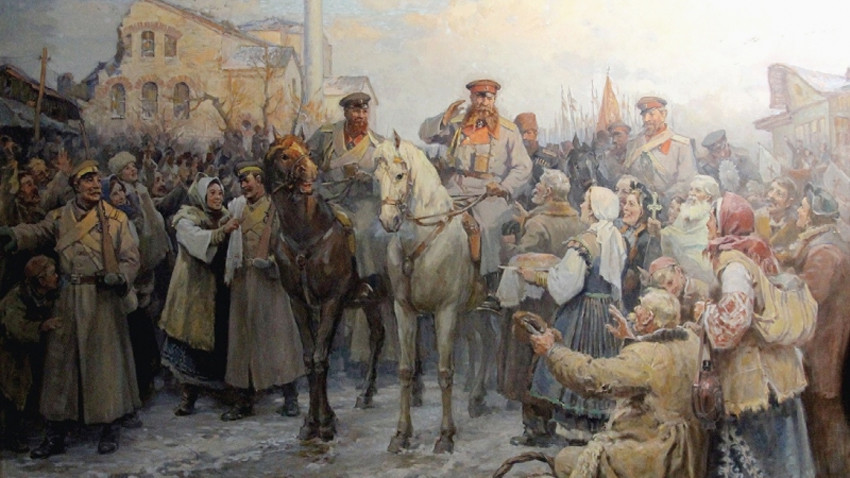
Today, the people of Sofia are grateful to their liberators, as well as to the European consuls, who showed determination and humanism at a critical moment. According to historians, their protest is one of the first signs of European unity and solidarity, expressed in today's united European Union.
On January 4, Sofia residents celebrate the 143rd anniversary of the Liberation of their city with a prayer in the "St. Nedelya" church and the traditional offering of wreaths and flowers at the monument of the Bulgarian voluntary army units who fought for the Liberation of Bulgaria. Church bells also ring in gratitude to remind us of heroism and human solidarity.
Compiled by: Veneta Nikolova
English: Alexander Markov
Photos: library
In today’s world, where material values overshadow the spiritual, reflections on the salvation of souls somehow remain in the background. The constant race against time and the stream of daily tasks muffle the voice of the soul, which struggles to..
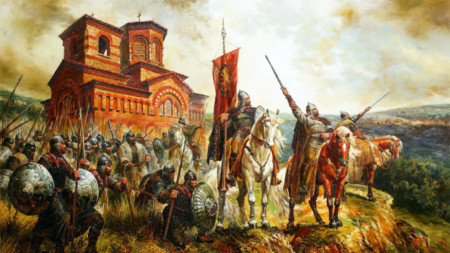
In 1018, after half a century of struggle, the First Bulgarian Empire was conquered by Byzantium. Despite the many uprisings of the Bulgarians, the power of Constantinople lasted for nearly two centuries. In the autumn of 1185 or the..
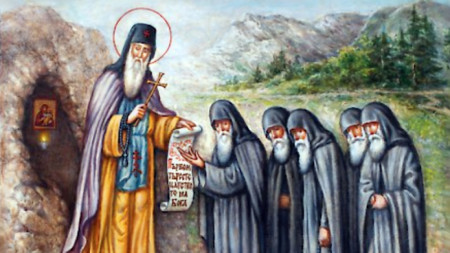
On 19 October, Bulgarians commemorate St Ivan Rilski, also known as St John of Rila, who is considered the country’s heavenly protector. He founded the Rila Monastery, which is the largest and most influential spiritual centre in Bulgaria. Ivan..




 Partly Cloudy
 Cloudy
 Cloudy
 Mostly Cloudy