A popular day in this country, Palm Sunday always falls on the Sunday after St. Lazarus Day and after Easter. All people named after flowers celebrate it as their name day – from the traditional Tsvetan, Tsvetanka, Nevena, Temenuzhka, Iglika, Gergina, Vurban, Vurbinka to the more modern – Dalia, Kamelia, Daisy, Veronica… On this day the church celebrates Christ’s triumphal entry into Jerusalem.
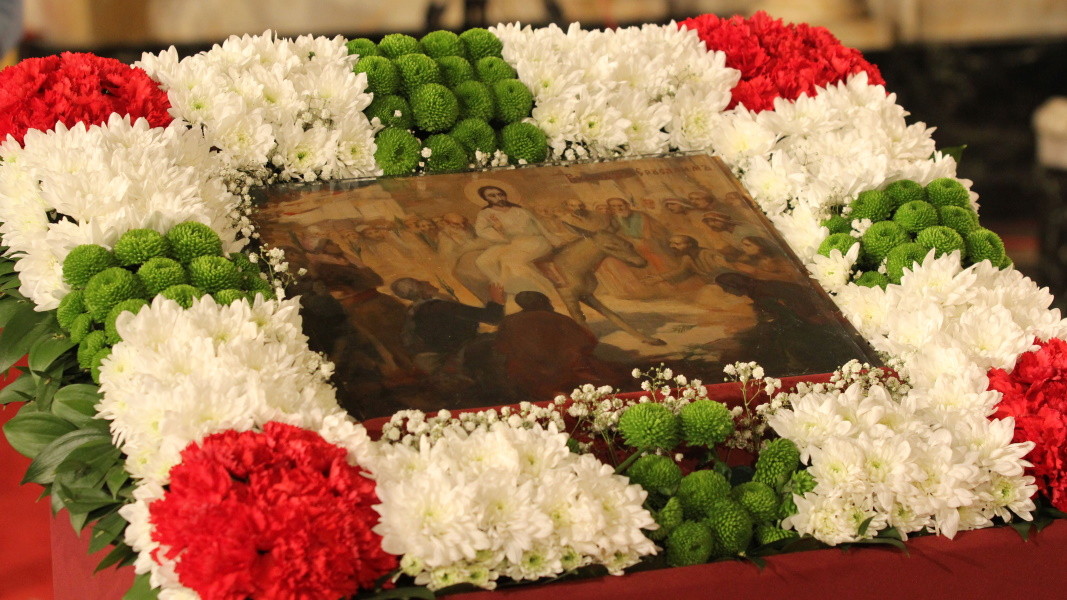
At the time Jesus Christ was welcomed with palm branches, but later Christians replaced the palm branches with willow twigs. Hundreds of fresh willow twigs are consecrated in every church on this day. And everyone who steps over the threshold of a church on Palm Sunday is given a blessing and a consecrated willow twig. That is why one of the names for Palm Sunday in Bulgarian is Vrubnitsa (from vurba, willow).
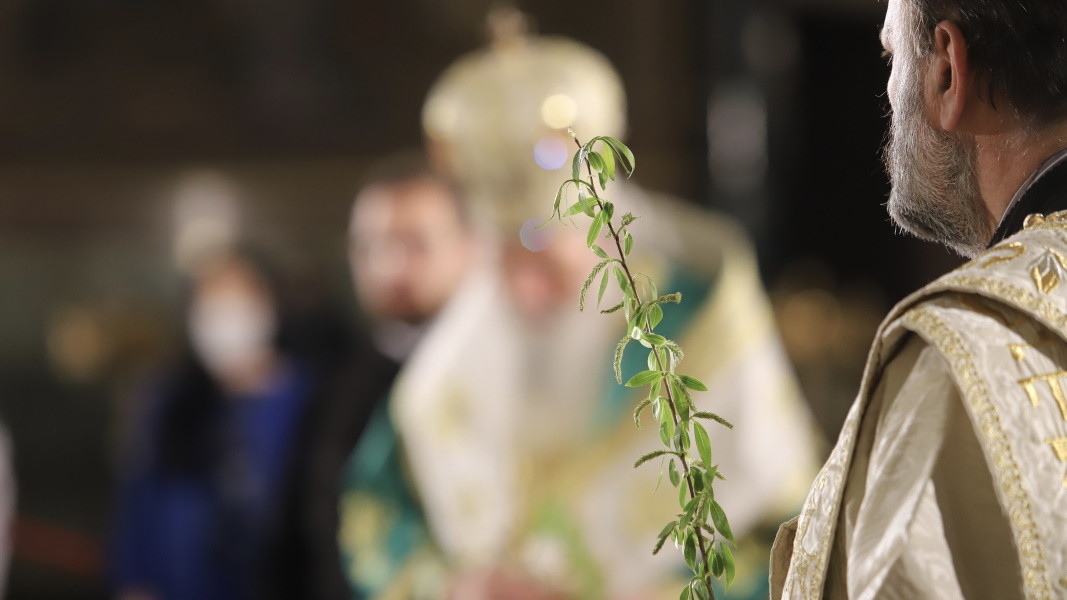
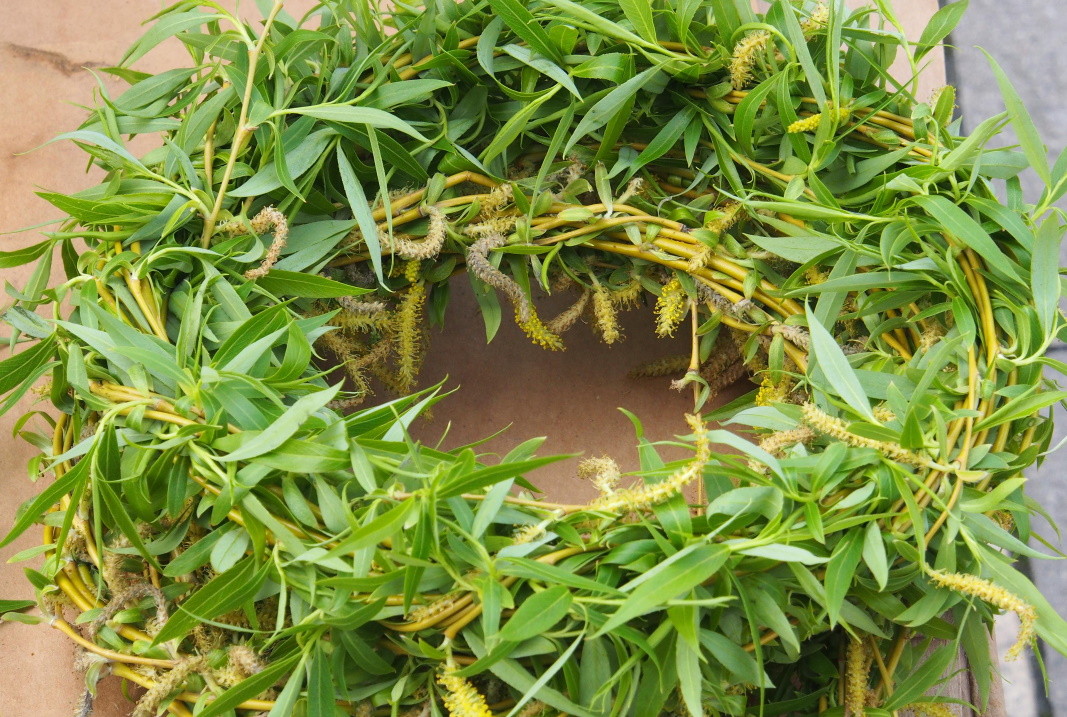
On Palm Sunday the maiden rituals and games continue, and in them willow twigs play a special role. They are used to make wreaths which the girls drop into the waters of the river, a ritual called kumichene. Special ritual loaves of bread are baked, and the livestock is taken out to graze using willow twigs. Twigs are also driven into the ground – it is believed they protect the plants from moles. To this day willow twigs are placed in front of the icons at home, over the doorways and are kept for as long as we can – probably because of the ancient belief that they bring health and protect the home. Some of the consecrated twigs were once used in magical therapeutic practices in the belief that they helped ward off evil spells and different diseases. People believed that if they looked at hail clouds through a willow wreath on Palm Sunday that would stop the storm.
There exist beliefs in Bulgarian tradition that the willow tree is bonded with underground deities and the “yonder world” which our ancestors inhabit. But it is also a symbol of spring, of nature reborn and the transition from winter to spring, as are all plants which come into leaf and blossom by Palm Sunday. Palm Sunday falls during Lent, but the festive meal on this day must include fish, which is permitted by the church.
Albena Bezovska
Father Genadiy Martinov is a Bessarabian Bulgarian, born in the village of Devetliy, Odessa province (Ukraine). Two centuries ago, his family lived in Eastern Thrace, near Edirne, but after the end of the Russo-Turkish War (1828–1829), during a period..
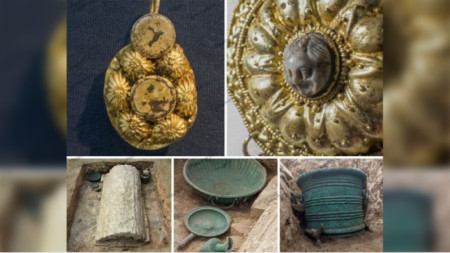
An intact grave of a young woman dating to the beginning of the 2nd century AD has been discovered by archaeologists near the village of Kapitan Petko Voivoda, Topolovgrad Municipality announced. The team that made the discovery is led by Daniela Agre..
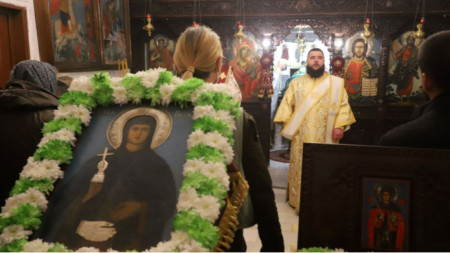
On October 14, the Bulgarian Orthodox church pays homage to Saint Paraskeva, also called St. Petka of Tarnovo and the day is known in Bulgaria as "Petkovden". Saint Petka was born in the 11th century in the town of Epibat, on the Sea of..




 Mostly Cloudy
 Partly Cloudy
 Cloudy
 Fog
Fog