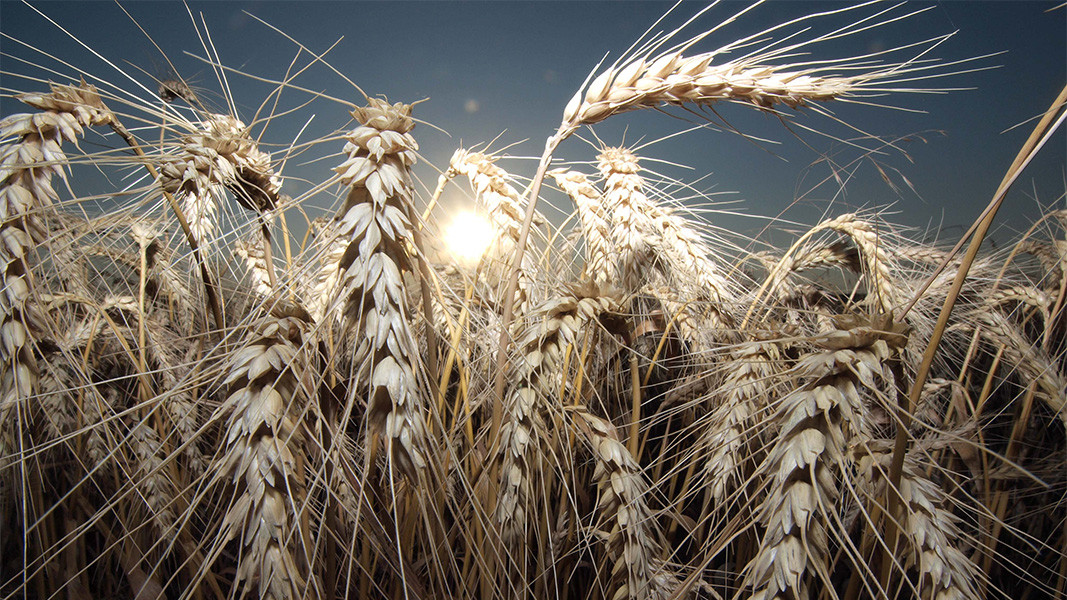
It is already summer, and this is the season that largely determines what our bread will be like during the year. Times are changing, today the field work is fully mechanized and yet the days in late June and early July are filled with anxious anticipation of the moment when the harvesters will enter the fields.
The harvest period in Bulgaria is not taking place at the same time for the individual agricultural regions, but everyone in the agricultural sector is unanimous that the next 10-15 days are crucial for the grain harvest in the country. Where it is colder, the wheat is not yet suitable for harvesting, and the rains in June are favourable for crops. The harvesters are ready and waiting for the rain to stop in order to enter the fields near the municipalities of Kameno and Karnobat, in the Burgas region. This year's harvest is better than last year's, local farmers say, recalling how the entire industry suffered losses in the previous drought year, when wheat yields were even three times lower than usual.
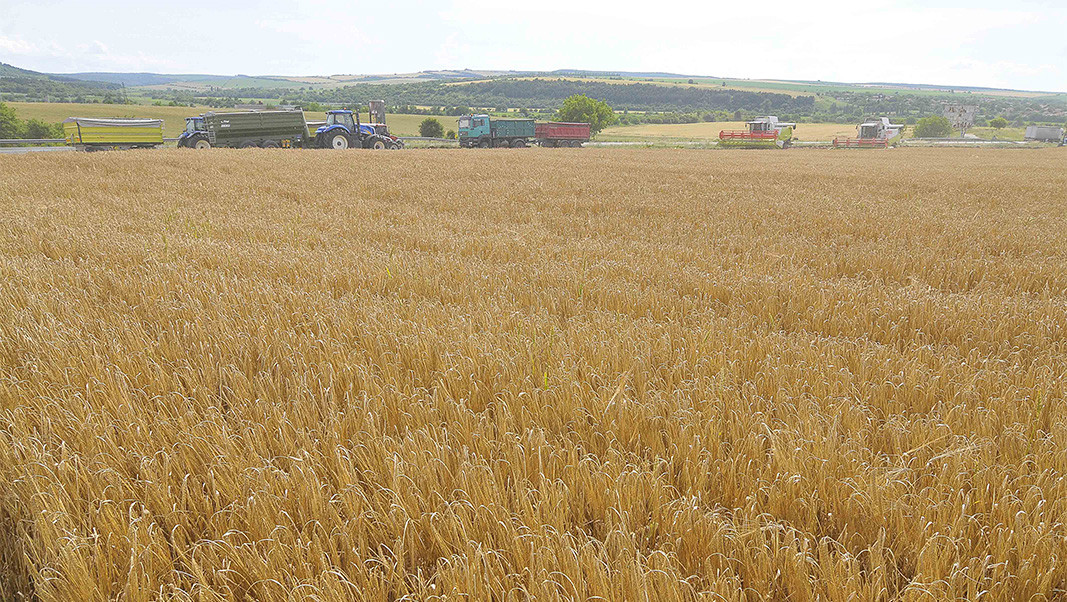
Now farmers are looking with great hope at the new harvest. They say it will take two years with good yields to cover their losses from last year. However, the heavy rains of the past two weeks are a cause for concern for the grain producers near Burgas. Here the harvest of wheat and barley usually takes place at the end of June, and now it will be delayed by an average of 10-12 days for each of the crops. The reason - the cooler weather for the season and the significant amount of rain. "The barley in Bulgaria is already ripe, we need a couple of days without rain and the harvesters will enter the fields to harvest," says Iliya Prodanov, chairman of the Union of Grain Producers "Markeli" in Karnobat:
"These rains are a big problem, especially if it continues to rain. In the period when the grain ripens, the quality decreases with each rain. Grasses begin to sprout and the harvest becomes more difficult, we will have losses. The period is critical for any grain producer. It must stop raining, especially in this region, because in the interior of the country the temperatures are lower and the crops ripen more slowly.
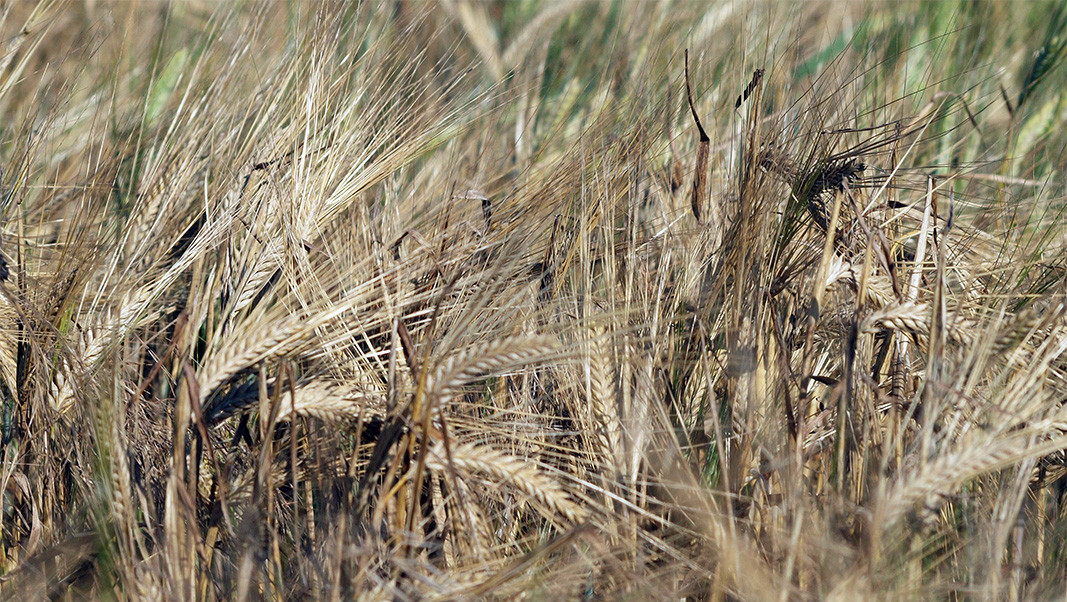
It is still too early to say what the yields will be, and it is not known how the situation with the purchase prices will develop, the industry commented. They are expected to weigh about 300-350 kg per decare for wheat and about 400 kg per decare for barley. Disappointment among farmers from last year's rapeseed harvest has led to a smaller volume of crops, and the yield is expected to be just over 200 kg per decare, says Iliya Prodanov:
"The tragedy from last year, when there were 50-100 kg yields per decare in whole municipalities, will not be repeated. We hope that prices will compensate for the drought. Last year, wheat was sold for about BGN 300-310 per tonne, now farmers have sold it in advance for BGN 400 per tonne. Let's wish for a trouble-free harvest and, most importantly, to take back what is in the field, because these are the most critical days for all of us”.
Compiled by Gergana Mancheva /based on a report by Stefka Bakardzhieva, BNR-Burgas/

The draft state budget was adopted in first reading by the National Assembly on November 21. However, the planned changes in the financial framework for 2026 triggered an open clash between the ruling coalition, led by GERB party, and the opposition..

KBC Group expects the Bulgarian economy to grow slightly more next year in comparison to its previous forecasts, according to the conclusions of the Belgian financial group's latest assessments of the economies of Central and Eastern..

Foreign direct investment (FDI) in Bulgaria posted the largest net inflows from the Netherlands, Italy and Greece in the first half of 2025, the Bulgarian National Bank (BNB) said. Net FDI inflows totalled €554.9 million from the Netherlands, €325.2..







 Rain
Rain Scattered showers
 Rain / Snow