The geographical structure of Bulgaria’s external debt has changed significantly since 2002, the Bulgarian National Bank announced. In the past, most government bonds were owned by American pension funds. Now, 80% of the bonds are owned by European banks and pension funds. About 16% of the government bonds are bought by Bulgarian investors.
Over 80% of Bulgaria’s external debt is in Euros, 8% is in US dollars and the rest is in Bulgaria Leva and other currencies. Bulgaria enjoys significant interest among investors and pays interest rates typical of a rich country. Most new loans are borrowed to refinance old debts and net debt is not growing, which is one of the conditions for Eurozone membership, the Bulgarian National Bank further notes.

In its “Questions and Answers” section on the introduction of the euro, the Bulgarian National Bank has published a clarification on how the single currency should be denoted and written in accordance with EU regulations. The name of the..

The government approved the draft Law on the 2026 State Budget, as well as the Updated Medium-Term Budget Forecast for the 2026–2028 period. In connection with the introduction of the euro on January 1, 2026, all figures have been prepared in..
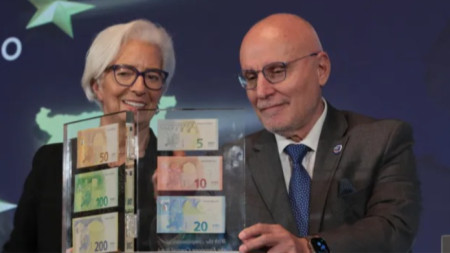
Citizens should remain calm about the introduction of the euro in Bulgaria from January 1, 2026, as the Bulgarian National Bank and commercial banks are ready for all processes related to the currency conversion and distribution of euro banknotes. This..








 Rain / Snow
 Rain
Rain Snow
Snow Значителна облачност със сняг