In the first stages of the war ways were sought to end military actions, but now continuation comes to the fore, Lyubomir Kyuchukov, Director of the Institute of Economics and International Relations and former deputy foreign minister said in an interview with BNR and added that there were two trends in Europe's approach to Russia now.
The first is shared by the United States, the United Kingdom, the Baltic countries, Poland and Romania, who are betting on a military solution to the conflict. The others are Germany and France that are still seeking a political solution and a way to leave an open door for future dialogue. Neither of these two trends is pro-Russian, Kyuchukov said.
Following the visit of US Secretary of Defense Lloyd Austin to Kyiv and the NATO meeting in the Ramstein base in Germany, the goal for "peace" was replaced by "war for victory", Lyubomir Kyuchukov also said, adding that pressure is currently focused on Allied countries to provide military assistance to Ukraine, not on Russia to end the war.
According to the expert, there were signals that the war could spread beyond the territory of Ukraine and that military actions in Moldova's Transnistria were dangerous because this could lead to an expansion of the war. Speaking about sanctions aimed at deterring Russia's military action, Kyuchukov said there were several possibilities for Bulgaria – calling for a unified approach within the European Union, seeking a solution with Gazprom or providing alternative sources.
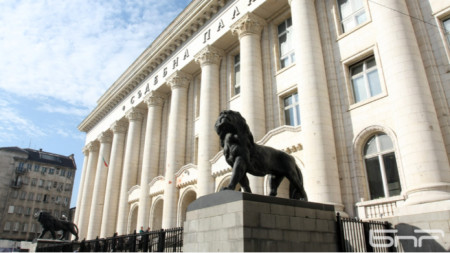
Judges have opposed the introduction of a new antivirus agent on their computers. The magistrates fear that it could violate personal data protection rules and compromise the independence of the judiciary. In an official letter, the Bulgarian..
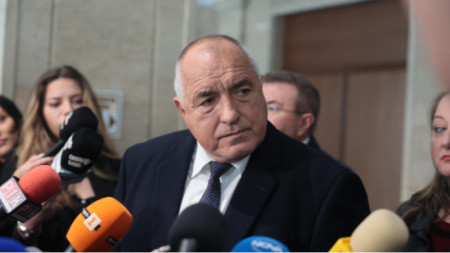
GERB leader Boyko Borisov said in Parliament that Bulgaria will become a member of the eurozone on January 1, regardless of protests organized by representatives of We Continue the Change Democratic Bulgaria (PP-DB). He was commenting on opposition..
Six countries, including Bulgaria, are at risk of non compliance with the EU fiscal framework in 2026. This is highlighted in the 2026 European Semester Autumn Package, adopted by the European Commission. Another 12 countries are urged to continue..






 Cloudy
 Mostly Cloudy
 Overcast, rain
 Rain / Snow
 Partly cloudy, chance of rain
 Cloudy
 Rain
Rain