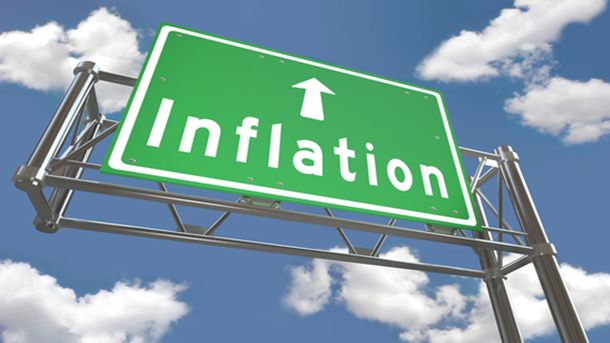
Bulgaria has the sixth highest inflation in the EU. In April, inflation reached 14.4% year on year, whereas the EU average was 8.1%, reads an analysis by the Confederation of Independent Trade Unions in Bulgaria (CITUB) regarding the anti-crisis measures announced by the government.
Higher inflation was registered only in Latvia, the Czech Republic, Lithuania and Estonia. However, Bulgaria ranks second in the EU in terms of increase of food prices. Food prices in Bulgaria increased by 21%. Lithuania tops the ranking with a 22.1% increase in food prices. Food prices in France rose 4.3%. The average increase in the EU was 8.9%.
The trade unions insist that the government raises the minimum monthly salary and incomes to offset inflation. They expressed discontent that the increase of the minimum salary is absent from the package of the anti-crisis measures announced by the cabinet.
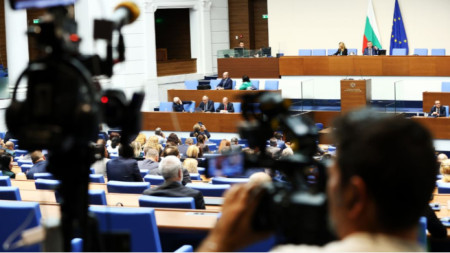
The draft state budget was adopted in first reading by the National Assembly on November 21. However, the planned changes in the financial framework for 2026 triggered an open clash between the ruling coalition, led by GERB party, and the opposition..
KBC Group expects the Bulgarian economy to grow slightly more next year in comparison to its previous forecasts, according to the conclusions of the Belgian financial group's latest assessments of the economies of Central and Eastern..
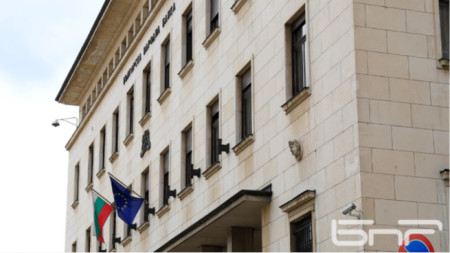
Foreign direct investment (FDI) in Bulgaria posted the largest net inflows from the Netherlands, Italy and Greece in the first half of 2025, the Bulgarian National Bank (BNB) said. Net FDI inflows totalled €554.9 million from the Netherlands, €325.2..






 Mostly Cloudy
 Fog
Fog Partly Cloudy
 Cloudy