"...We walked naked, hungry, salty and happy,” says journalist and writer Ivo Berov describing his memories of the Bulgarian seaside from the past. "Today it is hard to understand the unique thrill of having a chance to buy a bottle of whiskey, of trying something that came from the other side of the Iron Curtain!" - journalist Ivan Bakalov continues. "And then you cure the hangover from another evening of "freedom" by jumping in the sea,"satirist Mihail Veshim said smiling. Many more summer stories from Bulgaria’s past are collected in the book "Naked and salty (the sea before the concrete)" by journalist, writer and translator from the German language Zhanina Dragostinova. The collection contains the stories of 23 journalists, artists, intellectuals and politicians.
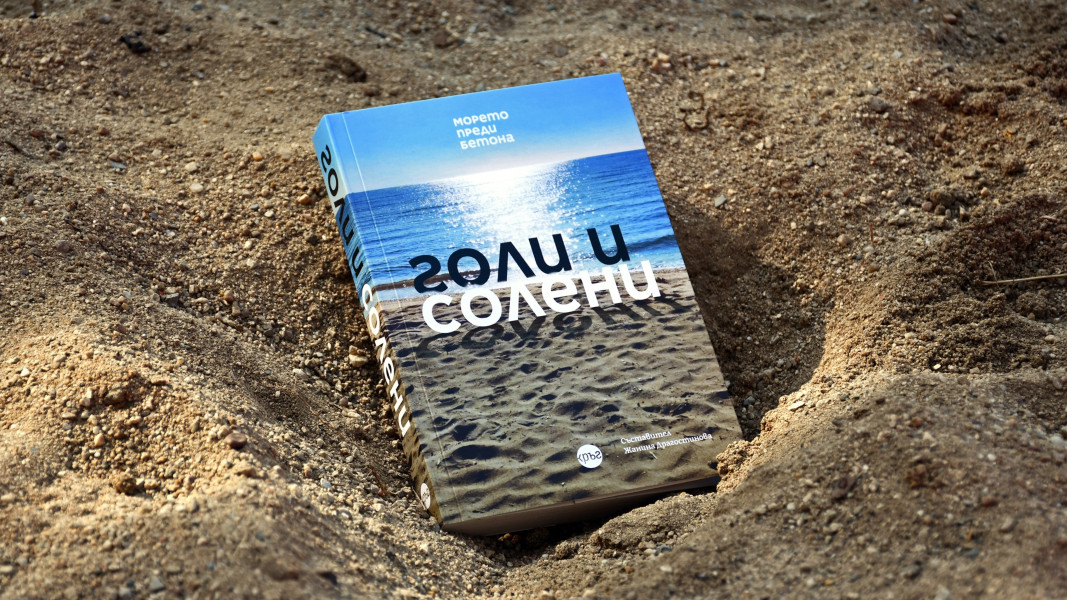
"The period covered by the book is quite long - there are stories from the 1960s to the 1990s,” Dragostinova has told Radio Bulgaria. “I just wanted to make a collection of personal stories in which people of different generations could tell their children and grandchildren about the way they were vacationing in their youth. At the same time, when I read all the texts collected, I discovered that there was a general feeling of contentment and of happiness when being near the sea, which was otherwise difficult to obtain back then."
For many Bulgarians, vacation by the sea unleashed a feeling of freedom, Zhanina says. The journalist adds that the stories in the book are not nostalgia for socialism. You can't be missing something that took away your rights, she says. There is nostalgia but it is for the feeling of freedom that the vastness of the sea gives you. Zhanina is from Varna and knows the sea well.

"We in Varna did not think that going to the local beach was vacation. My father and I used to go to the beach in Obzor, to the south. When I grew up and started going on vacations myself, I again chose the camping sites to the south. Somehow, the southern part of the coast symbolized more of that freedom and emancipation. But in the book there are stories from the northernmost to the southernmost point of the Bulgarian Black Sea coast.”
Memories of wild camping, the birth of nudism in Bulgaria, fishermen and their full nets, mark the youth of many of today's Bulgarian intellectuals.
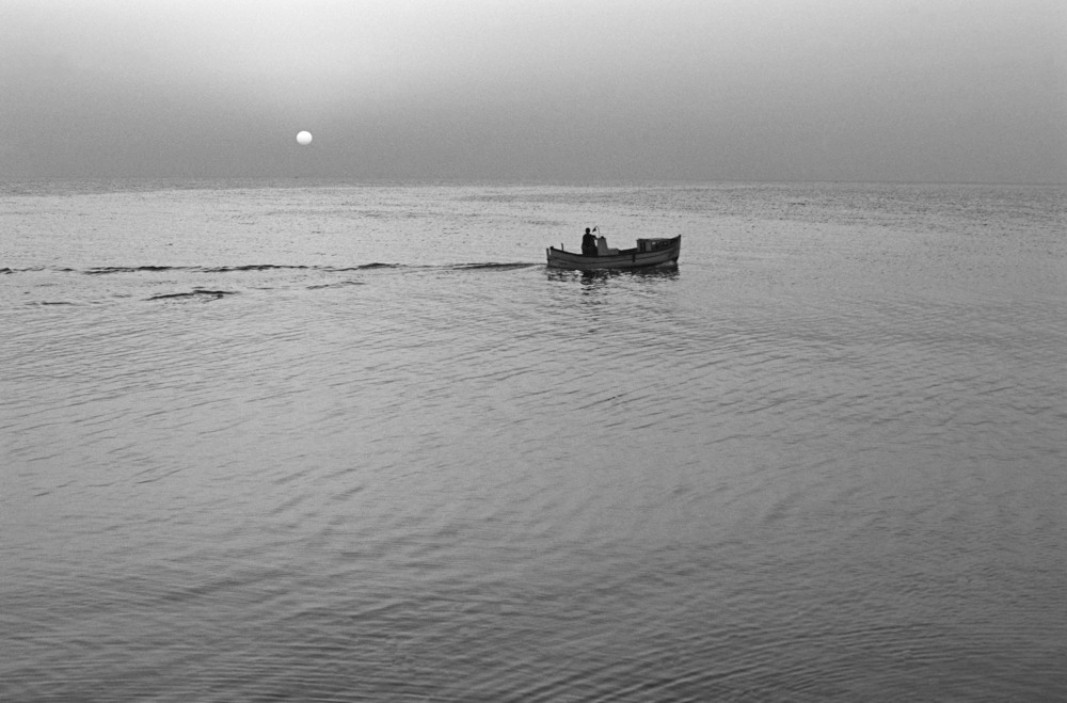
"The first campsite I went to was Alepu - the most beautiful place that I have seen on the Bulgarian Black Sea coast,” writer Mihail Veshim says. “The conditions were bad as there was no running water, but there was freedom. I did not know that later the campsite would be bulldozed and construction would start. This would later happen to other places but the process started back then.”
The satirist says that the sadness behind his smile is nostalgia for pure nature, clean sea, for coast that is not over constructed and for calmness that is increasingly difficult to find these days.
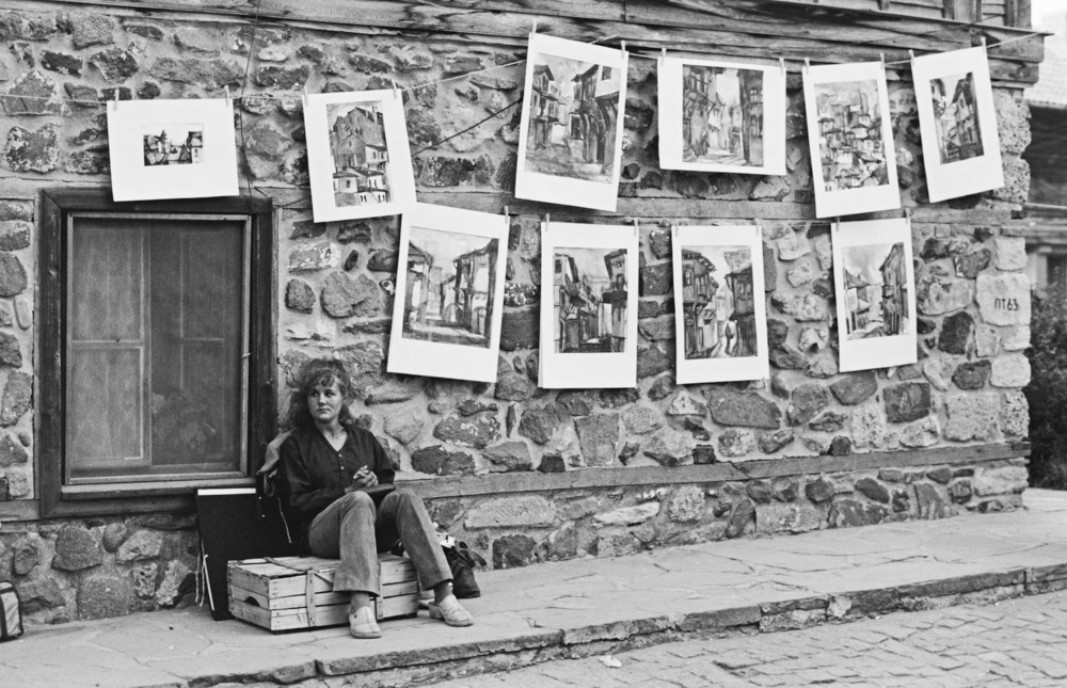
"We have heard people saying things like ‘tomatoes were real back then’," Zhanina Dragostinova tells us. “According to me, this is not related to socialism but to the industrialization we see today. For example, we couldn't imagine lying on a sun lounger on the beach. It was a nice feeling to be on the hot sand. Today, people lying on the sand are exceptions. Our entire vacation experience is being industrialized and that's what's different. Of course, there are groups of people who still want to be close to nature, but the problem is that there are fewer and fewer places left for them."
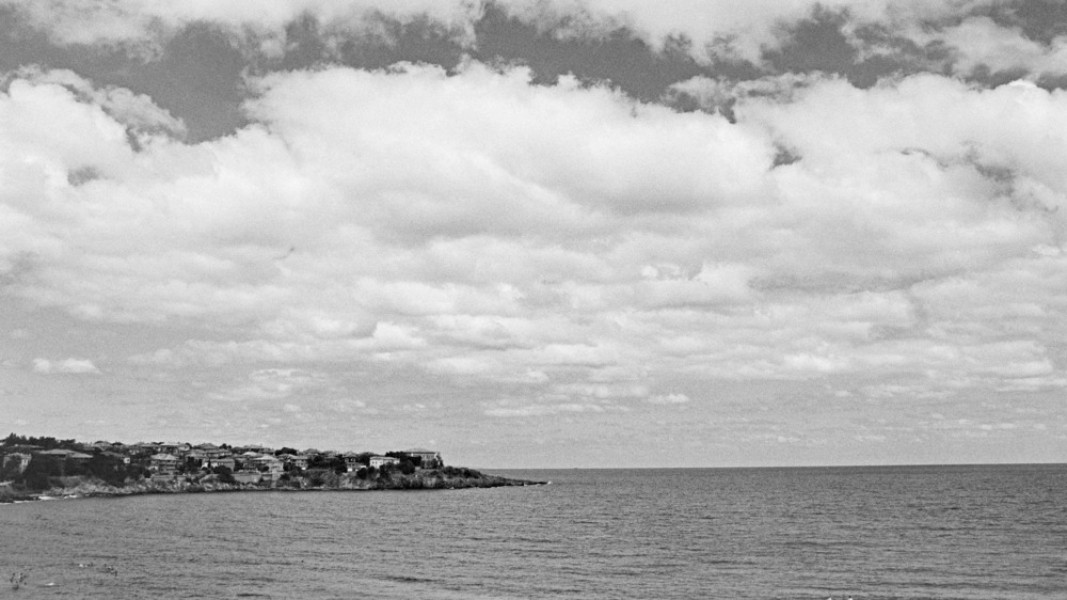
When we talk about summer vacations in socialist Bulgaria, we should mention the guests from other countries. In the text by journalist Panayot Denev, one can read about the summer vacation during which he learned about the construction of the Berlin Wall. "There are other texts that mention Germans who were vacationing in Bulgaria at the time and had to return urgently because their homeland was being divided," Zhanina Dragostinova told us. The book also includes a text by journalist Hans-Dieter Schutt, who was the editor-in-chief of an East-German paper at the time. He writes about his impressions of the Bulgarian Black Sea coast. Like all guests from East Germany back then, he keeps fond memories of our sea coast, Zhana Dragostinova says.
English version: Alexander Markov, Krug publishing house
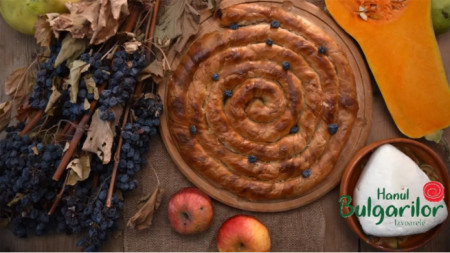
The Bulgarian minority in Romania marked a significant event with the official opening of the Bulgarian Inn in the village of Izvoarele (Hanul Bilgarilor), Teleorman County (Southern Romania)- a locality with Bulgarian roots dating back over 200 years...

The 14th edition of DiVino.Taste, Bulgaria’s leading forum for wines and winemakers, will take place from 28 to 30 November at the Inter Expo Centre in Sofia. Over 80 producers from all wine regions will participate, offering tastings of around 600 of the..
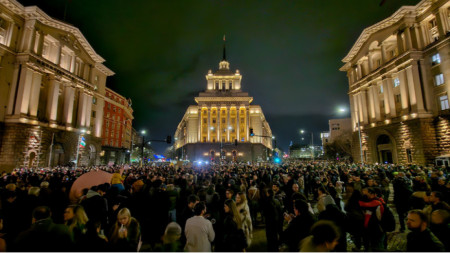
Minutes before the second and final reading, at the parliamentary budget and finance committee, of the state budget for 2026, the leader of the biggest party represented in parliament GERB Boyko Borissov halted the procedure and sent the draft bill..



The Bulgarian minority in Romania marked a significant event with the official opening of the Bulgarian Inn in the village of Izvoarele (Hanul..


 Partly Cloudy
 Cloudy
 Mostly Cloudy