On September 15, a total of 1948 schools across Bulgaria welcomed their students and about 57,000 children heard the school bell for the first time. And while the idea of school as a source of knowledge is at the heart of every society, school is not the only source from which children can learn more about the world around them.
“The place of miracles” - that's what people call the demonstration room for fascinating physics lessons of the National Polytechnic Museum in Sofia. This is the place where the interest and love of young and old for this seemingly complex science is being awakened. And physics actually turns out to be pretty interesting.

"The demonstration room helps children understand major laws of physics,” Eng. Veselina Eneva, deputy head of the department "Exposition, work with the public and projects" at the museum says. “The theory is not enough for children to understand the principles, especially of the exact sciences, therefore the educational process takes place in the form of practical training. It is no coincidence that the motto of our office is the famous phrase of Confucius: ‘I heard and forgot. I saw and remembered. I do and I understand.’''
Demonstration as a teaching method originated in Bulgaria in the 70s of the 19th century when physics classrooms were created in high schools in Plovdiv and Gabrovo. The founder was Ivan Gyuzelev, and the first Bulgarian textbook on physics was printed in Belgrade by the famous teacher from Koprivshtitsa, Nayden Gerov, back in the summer of 1849.

For the youngest visitors who do not yet study this subject at school, the demonstration is adapted in order for children to make sense of the fact that there are basic natural laws that science has discovered and that the world around us obey them unconditionally. They are shown that physics is part of everyone's life, even when its principles and laws seem like miracles.
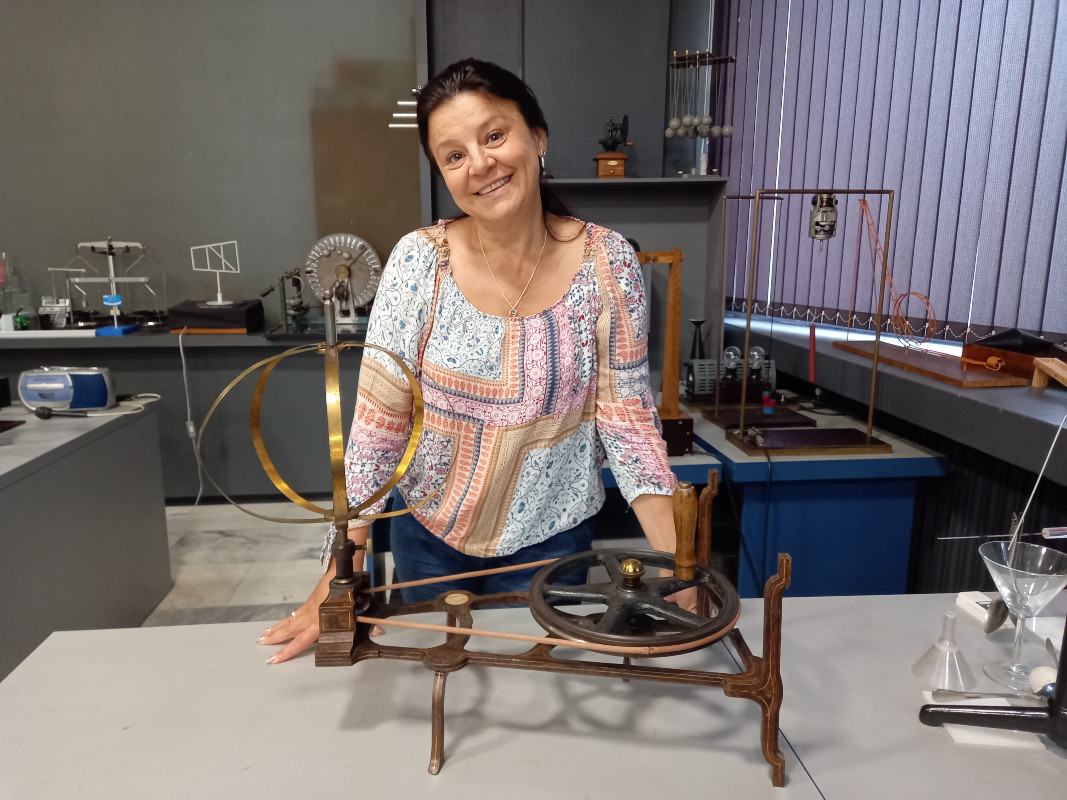
Children are genuinely surprised when they see the device that demonstrates the geoid shape of the Earth and realize that our planet is not a perfectly round sphere.
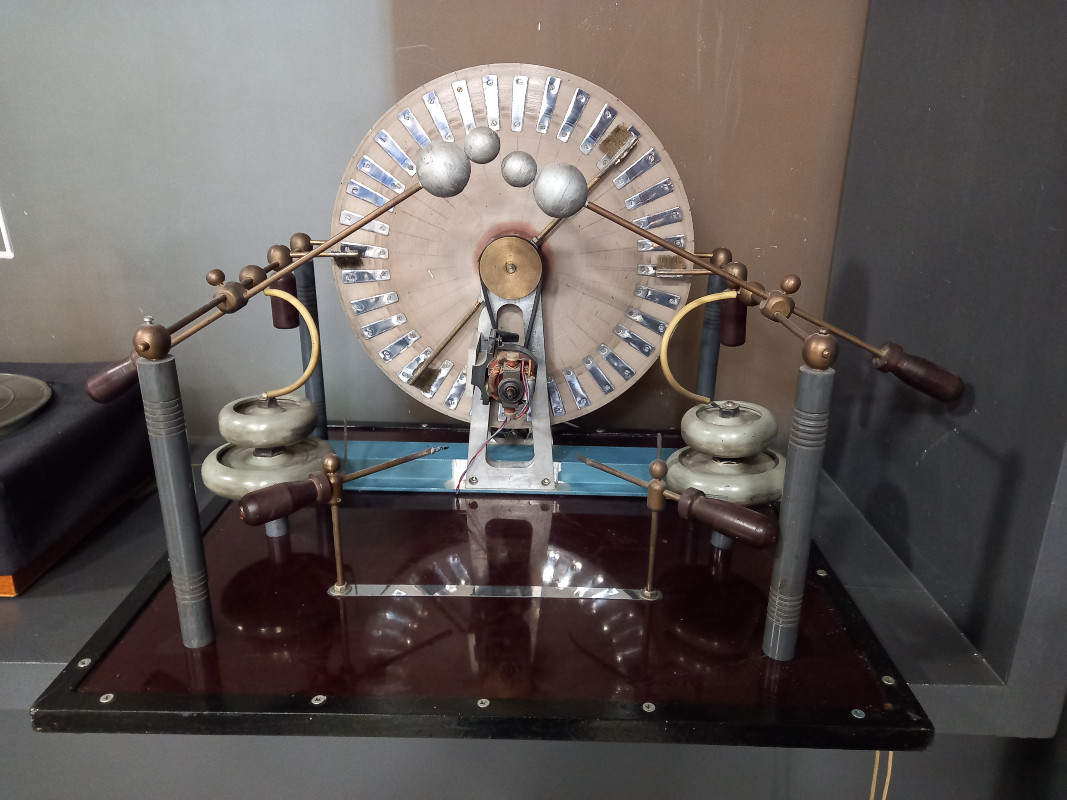
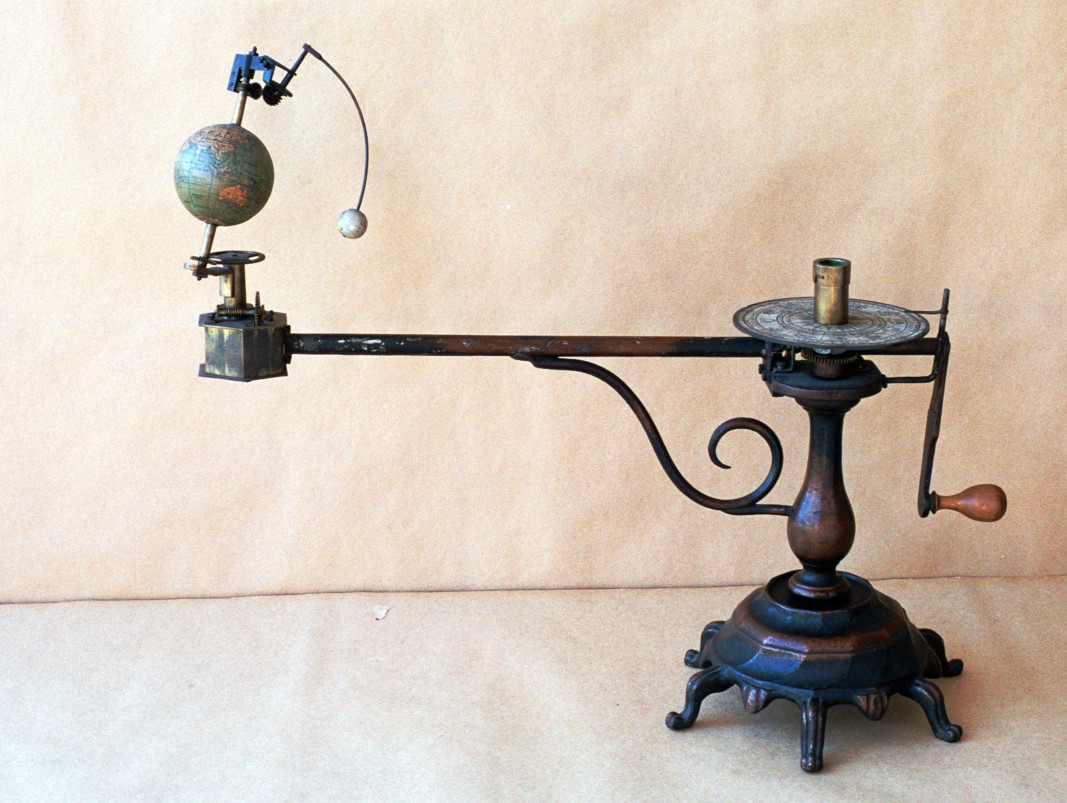
"Their eyes are shining; they are surprised, but they leave satisfied. There are also those who don't want to leave,” Veselina Eneva says. “It is a matter of pride for the museum that the demonstration room is equipped with devices of historical value. Some of these devices are in working condition and after professional restoration they have been put into operation again. The cabinet is constantly being enriched with up-to-date experimental installations, but the focus remains on the old devices. Being from a bygone era does not take away their ability to hold the attention of children and teenagers. On the contrary, this provides additional value and charm to the experience," Veselina Eneva says.
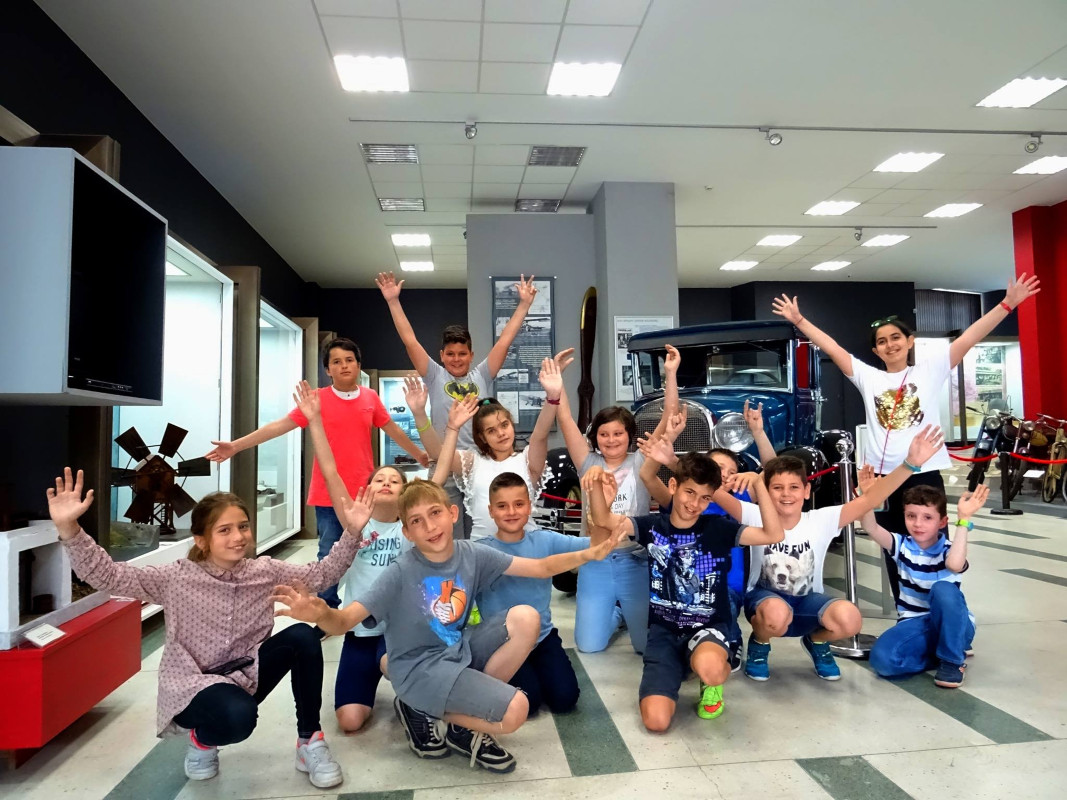
Here is what Veselina Eneva wished all future participants in the miracles of physics:
“I wish all students and teachers happy first day of school! We thank those who visited us and look forward to seeing you again this school year. Lets discover more miracles!”
Photos: National Polytechnic Museum and Desislava Semkovska
English: Al. Markov

The Bulgarian minority in Romania marked a significant event with the official opening of the Bulgarian Inn in the village of Izvoarele (Hanul Bilgarilor), Teleorman County (Southern Romania)- a locality with Bulgarian roots dating back over 200 years...

The 14th edition of DiVino.Taste, Bulgaria’s leading forum for wines and winemakers, will take place from 28 to 30 November at the Inter Expo Centre in Sofia. Over 80 producers from all wine regions will participate, offering tastings of around 600 of the..
Minutes before the second and final reading, at the parliamentary budget and finance committee, of the state budget for 2026, the leader of the biggest party represented in parliament GERB Boyko Borissov halted the procedure and sent the draft bill..







 Cloudy
 Scattered showers
 Значителна облачност със сняг
 Snow
Snow Cloudy
 Rain / Snow