The country's GDP stands at 64% of the European average. Unlike Romania, we have not yet crossed the 70% threshold. What distinguishes Bulgaria from other countries in the region is that they have higher levels of investment, better rule of law, and stable governments, Petar Ganev from the Institute for Market Economics said for BGNES. 75% of people's income comes from the private sector, and 25% from the public sector. 500,000 people are employed in the industry.
''If we want to attract big industrial investors, we need to have industrial zones. We are lagging behind in developing industrial zones. Turkiye is doing better than us. The overall package we offer the investor - industrial zone, location, staff qualification programmes - is still lagging behind", said Petar Ganev.
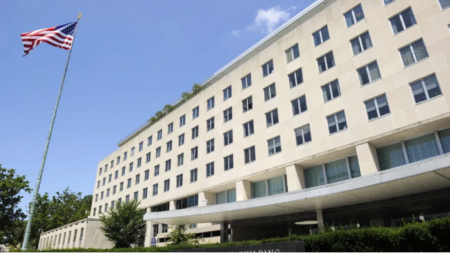
Bulgaria’s accession to the eurozone will reduce transaction costs with key trade and investment partners, according to the annual U.S. State Department report on the investment climate in the country, reported BGNES. The report emphasizes that..
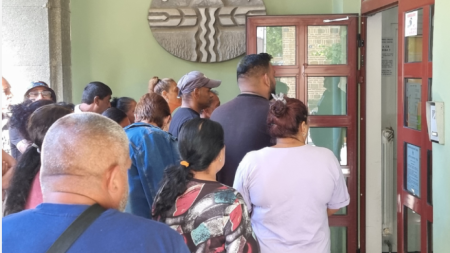
Less than 100 days remain until Bulgaria joins the eurozone, and this is another reason to talk about the incomes of people in Bulgaria, about the Bulgarian economy, about foreign investments and about the domestic labour market which reacts the..

At the end of September, with a little over three months to go until the Rubicon in Bulgarian public finance - 1 January, 2026, when the country will officially leave the currency board and adopt the single European currency, the euro – issues..





 Rain / Snow
 Rain
Rain Snow
Snow Значителна облачност със сняг