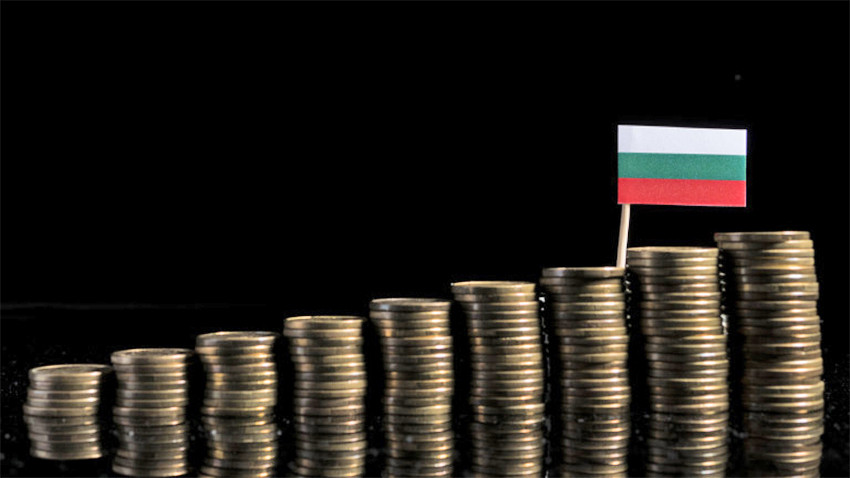
Bulgaria’s debt for 2024 amounts to BGN 48.846 billion (EUR 24 billion), or 24.1% of the country’s GDP, preliminary data from the National Statistical Institute (NSI) show. In 2023, the country's debt was BGN 42.383 billion (EUR 20.8 billion), or 23.1% of the country’s GDP.
In 2024, the General Government Sector reports a deficit of BGN 6.158 billion (EUR 3 billion), or 3% of GDP. The deficit in the Central Government subsector was BGN 5.277 billion (EUR 2.6 billion), or 2.6% of GDP. A year earlier, the General Government deficit was 1.9% of GDP, and the deficit of the Central Government was 1.8% of Bulgaria’s GDP.
The deficit in Local Government subsector amounts to BGN 810 million (EUR 405 million), while the Social Security subsector reports a deficit of BGN 71 million (EUR 35.5 million).
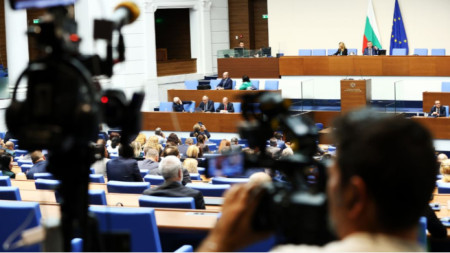
The draft state budget was adopted in first reading by the National Assembly on November 21. However, the planned changes in the financial framework for 2026 triggered an open clash between the ruling coalition, led by GERB party, and the opposition..

KBC Group expects the Bulgarian economy to grow slightly more next year in comparison to its previous forecasts, according to the conclusions of the Belgian financial group's latest assessments of the economies of Central and Eastern..
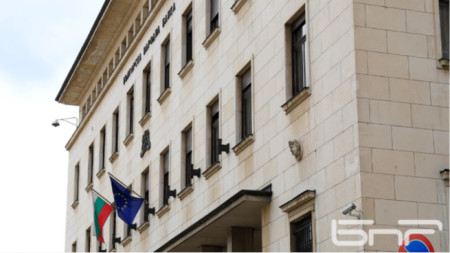
Foreign direct investment (FDI) in Bulgaria posted the largest net inflows from the Netherlands, Italy and Greece in the first half of 2025, the Bulgarian National Bank (BNB) said. Net FDI inflows totalled €554.9 million from the Netherlands, €325.2..








 Mostly Cloudy
 Cloudy
 Partly Cloudy