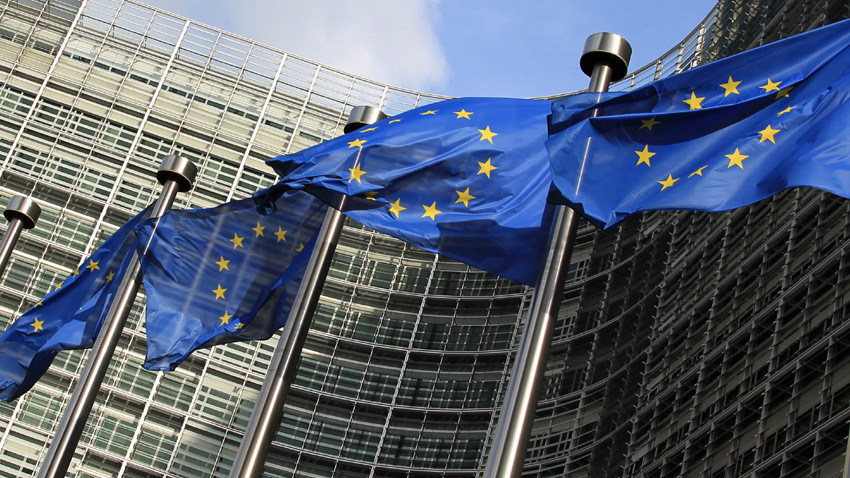
The full accession of Bulgaria and Romania to the Schengen area is strengthening the European Union's economy significantly. This is stated in a report by the European Commission on the state of the border-free zone, presented today.
The report highlights that since the beginning of this year, the two countries have fully joined Schengen, following an 18-year-long process. Prior to the abolition of internal border controls, Bulgarian and Romanian businesses were paying billions of euro a year due to increased logistics costs, delivery delays, high fuel prices and truckers' wages, BTA reported.
The document also notes that over the past year, several measures have been taken to strengthen Schengen, particularly in the area of securing external borders. It cites examples of joint efforts between Bulgaria, Austria, Greece, Hungary, Romania and Slovakia, as well as measures taken on the Bulgarian-Turkish border to prevent potential threats to the EU.
“Borders cannot be changed by force, and Ukraine’s long-term security must be guaranteed”, Bulgaria’s Premier Rossen Zhelyazkov said during a videoconference meeting of the “Coalition of the Willing”, led by French President Emmanuel Macron and UK..
Business forum on the topic "Bulgaria - China: cooperation in the automotive sector" is being held on November 26 in Sofia. Its organizers are the Bulgarian Chamber of Commerce and Industry and the Embassy of the People's Republic of..
The Bulgarian Industrial Capital Association has called for participation in a protest on November 26 against the budget for 2026, which is about to be adopted at second reading. "We call not only our members, but also all..







 Partly Cloudy
 Cloudy
 Mostly Cloudy