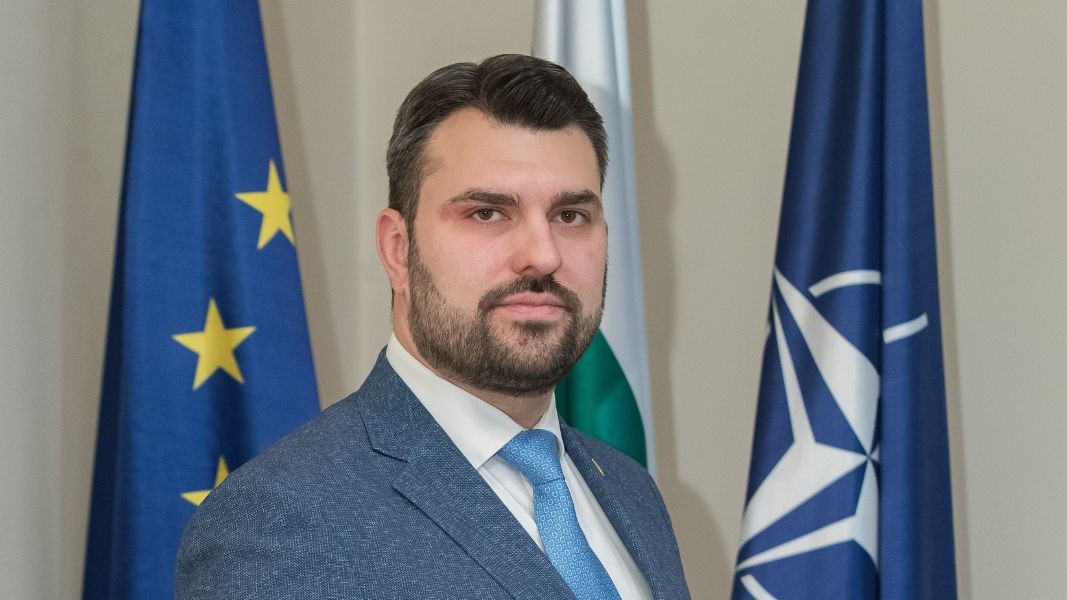
Since the beginning of the full-scale Russian military aggression against Ukraine, more than 30,000 Bulgarians, mainly from the Zaporizhzhia region, have been living under temporary Russian occupation, Foreign Minister Georg Georgiev stated in a written response to MPs from PP-DB, BTA has reported. The fundamental rights of the Taurian Bulgarians have been systematically restricted, including their right to study Bulgarian.
The minister points out that studying Bulgarian in state schools in the occupied territories is prohibited in violation of international law. He gives example with the Bulgarian Sunday schools in Melitopol and Berdyansk, which were forced to cease their in-person education, as well as the closure of one of the leading educational institutions teaching Bulgarian in Ukraine – the Bulgarian-Ukrainian Lyceum in Primorsk.
The letter also states that Russia uses all possible means, including in the field of education and culture, for political propaganda and hybrid actions against so-called unfriendly states.
"Cooperation between Bulgarian schools and pro-Russian organizations includes unacceptable practices related to hostile propaganda and disinformation, which are contrary to Bulgaria's national interests in limiting malign foreign influence," the minister adds.
Editor: Diana Tsankova
Publication in English: Alexander Markov
Photo: mfa.bg
Judges have opposed the introduction of a new antivirus agent on their computers. The magistrates fear that it could violate personal data protection rules and compromise the independence of the judiciary. In an official letter, the Bulgarian..
GERB leader Boyko Borisov said in Parliament that Bulgaria will become a member of the eurozone on January 1, regardless of protests organized by representatives of We Continue the Change Democratic Bulgaria (PP-DB). He was commenting on opposition..
Six countries, including Bulgaria, are at risk of non compliance with the EU fiscal framework in 2026. This is highlighted in the 2026 European Semester Autumn Package, adopted by the European Commission. Another 12 countries are urged to continue..




 Mostly Cloudy
 Partly Cloudy
 Cloudy