Slovenia becomes the first Eastern European country to legalize assisted dying
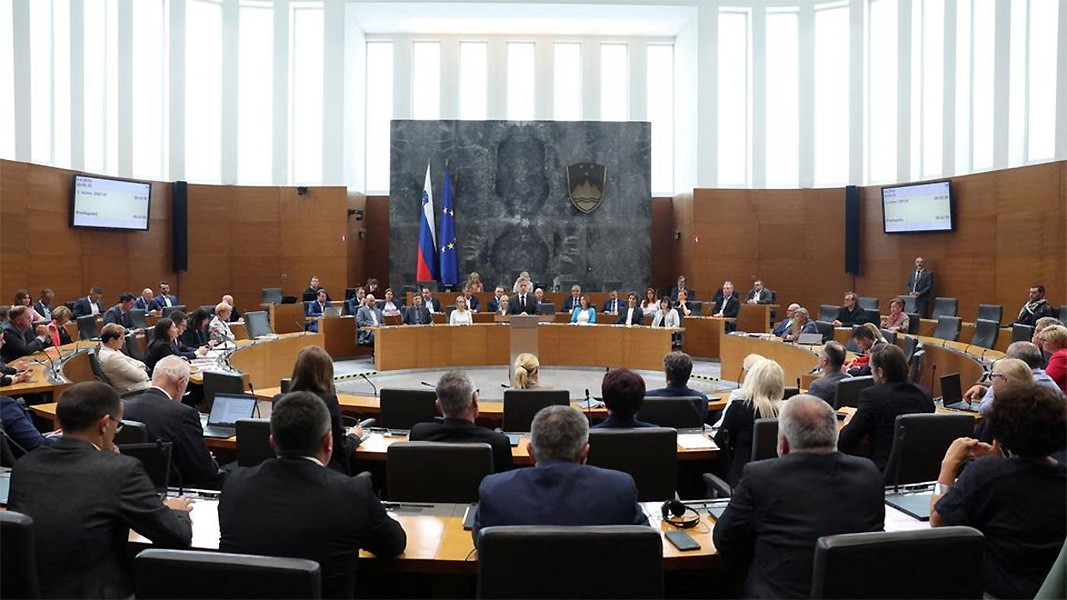
Slovenia’s parliament has approved a law to allow assisted dying, making the Balkan country the first in Eastern Europe to adopt such legislation. The country’s lawmakers approved the bill with 50 votes in favour and 10 votes against. The decision came after the National Council vetoed the law earlier this week, citing complex ethical and legal concerns. However, the parliament managed to override the veto in a second vote, according to RTV SLO.
The new law gives terminally ill adults the right to end their lives if they face unbearable suffering with no expectation of improvement. Treatment options will have to be exhausted, and the right to assisted dying will not be available in the case of unbearable suffering resulting from mental illness. The legislation was backed by a referendum last year, in which 55% of voters supported the measure.
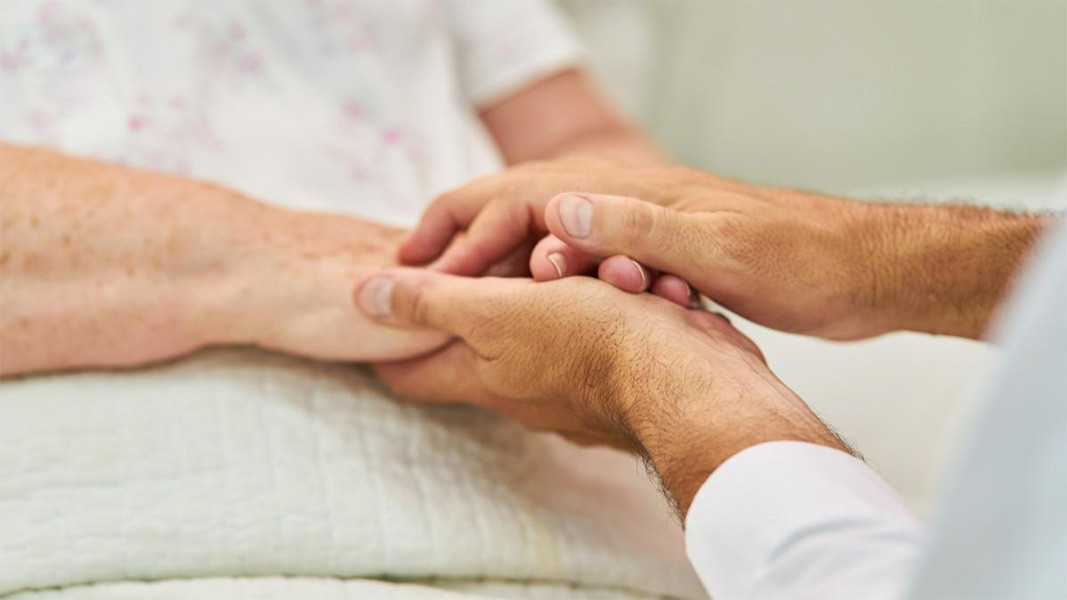
The decision could influence debates in other Eastern European countries. Opponents of the law, however, continue to express concerns about undermining the "sanctity of life" and the potential for abuse of the new provisions. Slovenia’s parliament also approved amendments related to the use of cannabis for medical and scientific purposes.
Ilie Bolojan to foreign investors: Attracting foreign investment remains a priority for the coming years
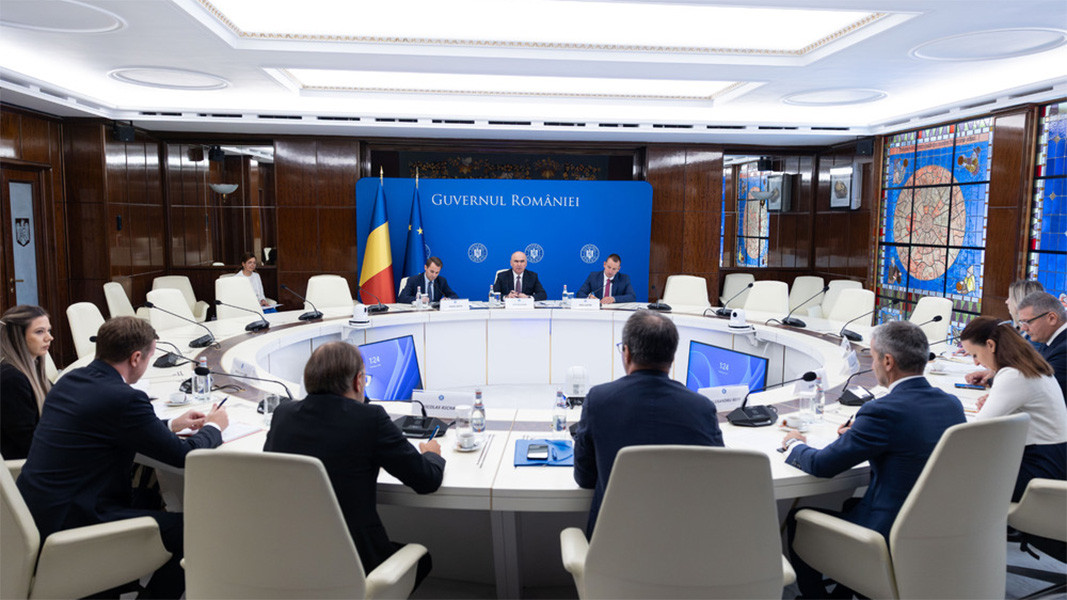
Romania’s Prime Minister Ilie Bolojan met with representatives of the Foreign Investors Council (FIC), reported BTA. During the talks in Bucharest, he emphasized that the government will continue implementing measures aimed at reducing public spending, improving revenue collection and correcting macroeconomic imbalances. He stressed that attracting foreign investment remains a priority for the coming years.
''We consider you, the foreign investors, as Romania's economic ambassadors and I want to send a clear message: although we are going through a period of challenges, Romania remains a country where investments with good returns can be made", said Ilie Bolojan. Both the prime minister and representatives of the Foreign Investors Council highlighted the importance of promoting a set of fiscal and economic measures that contribute to sustainable economic growth.
In May, amid the country’s repeat presidential elections, major foreign business chambers in Romania, including the US, UK and Germany, voiced concern about what they described as a rapid deterioration of the investment climate and the credibility of central Europe's second-largest economy. In December 2024, Fitch affirmed Romania's credit rating at BBB-, but revised the outlook on Romania's Long-Term Foreign-Currency Issuer Default Rating (IDR) to negative from stable. The next review of Romania’s credit rating is scheduled for August 15 this year. The rating is considered crucial for attracting foreign investors.
Ten people die while battling wildfires in Turkiye
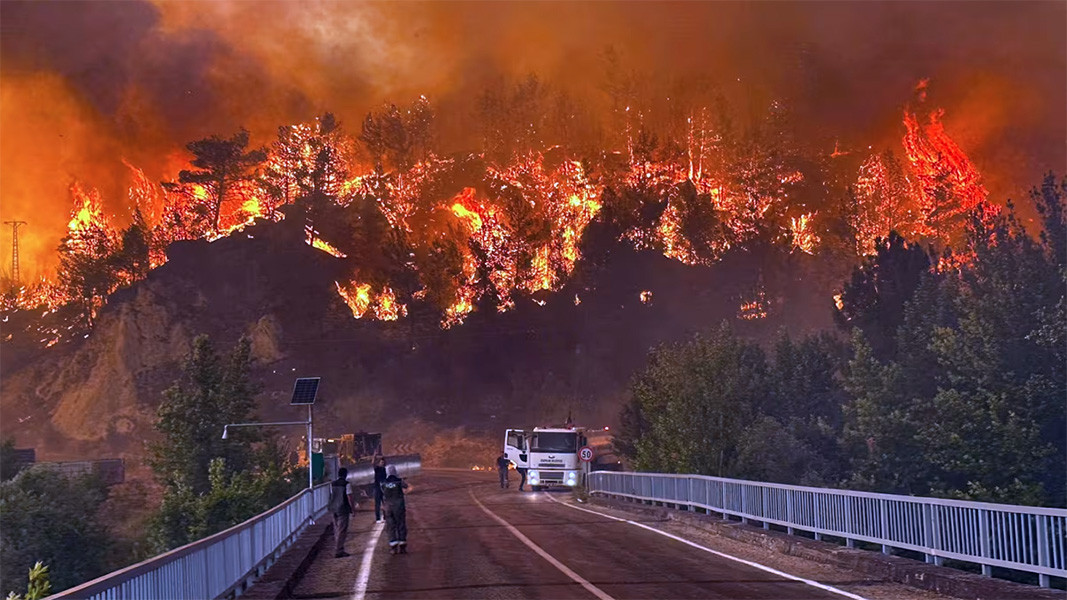
Ten people have died and 14 have been hospitalized following battles with severe wildfires raging across Turkiye, announced the country's Minister of Agriculture and Forestry, İbrahim Yumaklı, reported Bulgaria’s public service broadcaster BNT.
24 forest workers and volunteer rescue personnel were left trapped inside the fire in Turkiye's central Eskisehir province following a change in the direction of the wind. The blaze claimed the lives of five volunteer rescue workers and five forestry workers. Another 14 forestry workers have been hospitalized. Multiple large wildfires are currently burning across Turkiye amid extremely high temperatures.
Half of Greeks can’t afford a vacation this summer
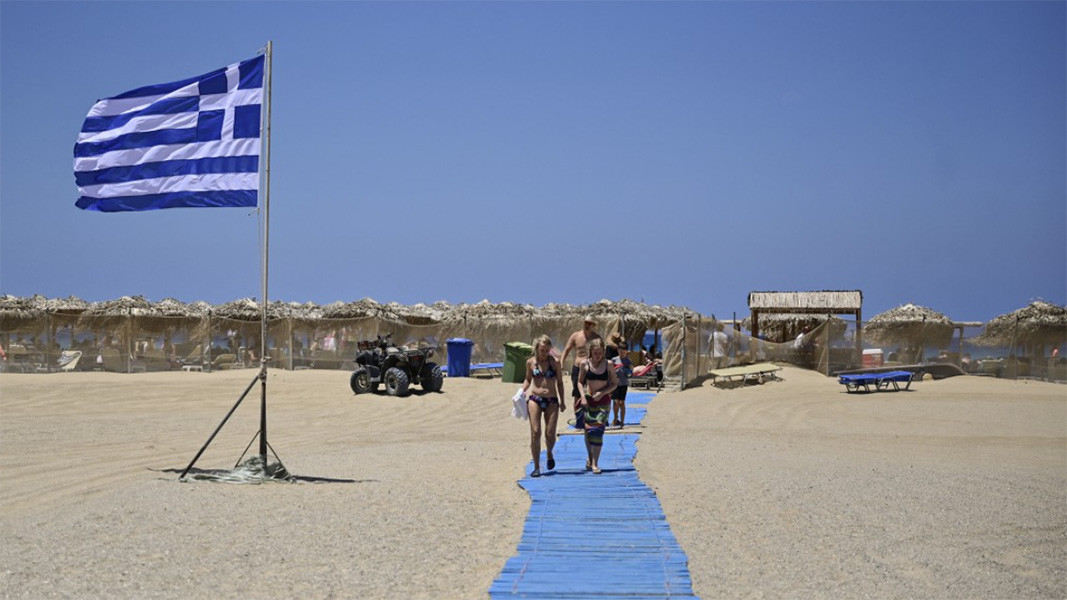
Half of Greeks can’t afford a vacation this summer. They are also limiting their purchases of food products, reported BNR’s correspondent Katya Peeva from Greece. A study published this week shows that Greeks have drastically reduced their daily expenses. In June, spending on dining dropped by 50% on a monthly basis, and spending on clothing decreased by 45%. The data also show that Greeks are spending 23% less on travel. When it comes to essential food products, spending has decreased by 4% in just one month, with people buying cheaper goods in smaller quantities.
According to another study, half of Greeks will not be taking a vacation this summer due to financial hardship. Those who can still afford an annual holiday have reduced the number of overnight stays by 20%. The high prices of ferry tickets are discouraging both many Greeks and foreigners from vacationing on the islands.
Edited by Miglena Ivanova
The Bulgarian Embassy hosted the second concert of the 17th season of the Bulgarian Music Society in Washington. On 14 November, guests enjoyed a unique show by two world-class artists, both originally from Bulgaria: Desi Jordanoff, a folk dance master,..

Generation Z students (born 1995–2012) are widely using artificial intelligence in their learning, with teachers reporting that more than 85% complete homework and study with the help of digital assistants. Children tend to see AI as a partner..
This year, Christmas has "arrived" in Sofia as early as November with the aroma of mulled wine, cinnamon and festive magic. Radio Bulgaria recommends that you visit some Christmas spots in the Bulgarian capital city: For those most impatient to..






 Clear
Clear Partly Cloudy