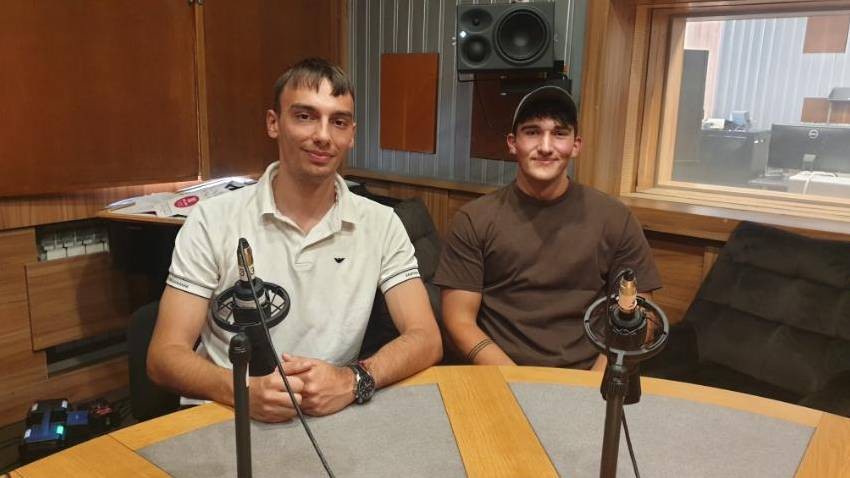
Two young Bulgarian inventors have developed a solution for a job few want to do. Gregory-Leon Faurie, born in Qatar, and Martin Georgiev from Sofia are creating a robotic weeding system that uses artificial intelligence and laser technology.
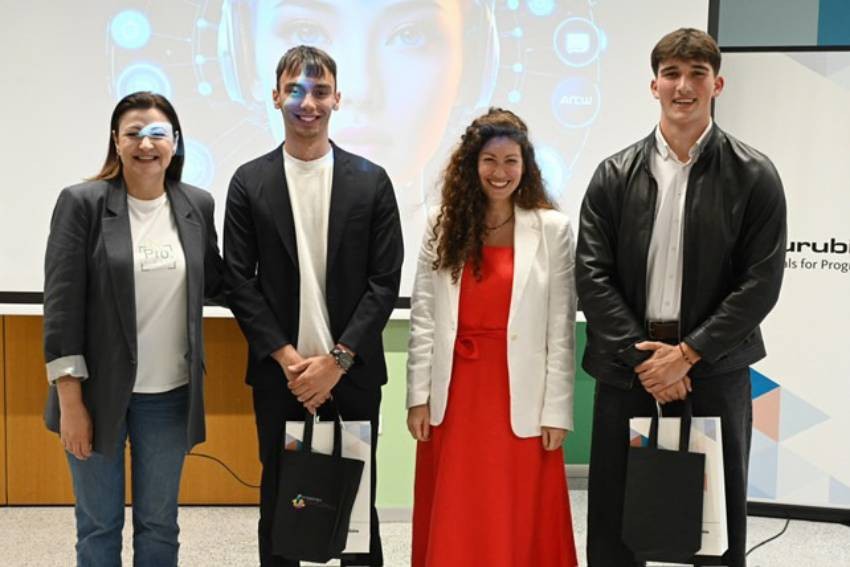
The two are students at the American University in Blagoevgrad. In June, their team, ‘Robotnik’, received an award at the Bulgarian youth entrepreneurship competition ‘Academy for Innovation 2025’.
“We noticed that most innovations target large-scale producers, leaving small farmers and agricultural workers somewhat behind,” says Gregory-Leon Faurie.

“Over the past few weeks, we have been meeting farmers across Bulgaria and have seen just how problematic this is for them. They rely almost entirely on manual labour,” explains Martin Georgiev.
“What saddened me was seeing elderly people, over 70 years old, still working in the fields. It is incredibly hard work. Small farms lack access to the necessary equipment and cannot afford new machinery.”
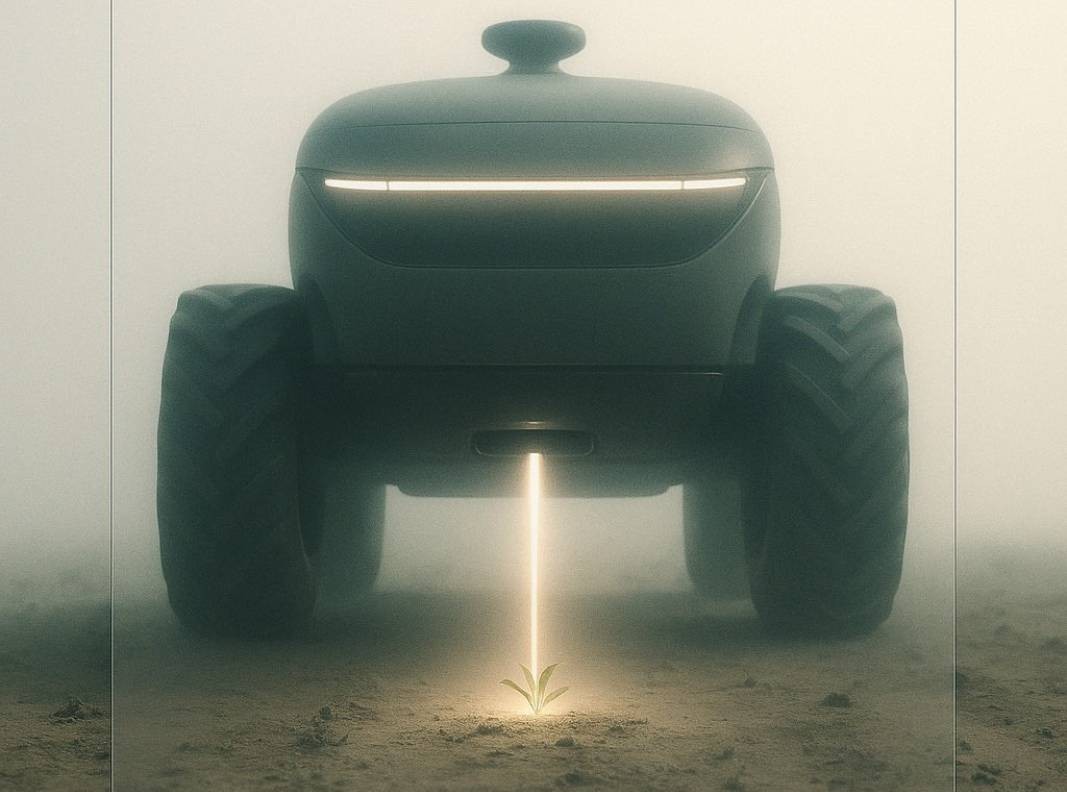
The robot differs from previous models in that it is just 60 cm in size and uses laser technology to ensure precise weed destruction. Gregory-Leon Faurie describes the functions implemented in the prototype:
‘Plevel AI’ (‘weed AI’) — this is the name of the product — will be incorporated into the first robot, called ‘Nick1’. The robot will have three features, the first being weeding.
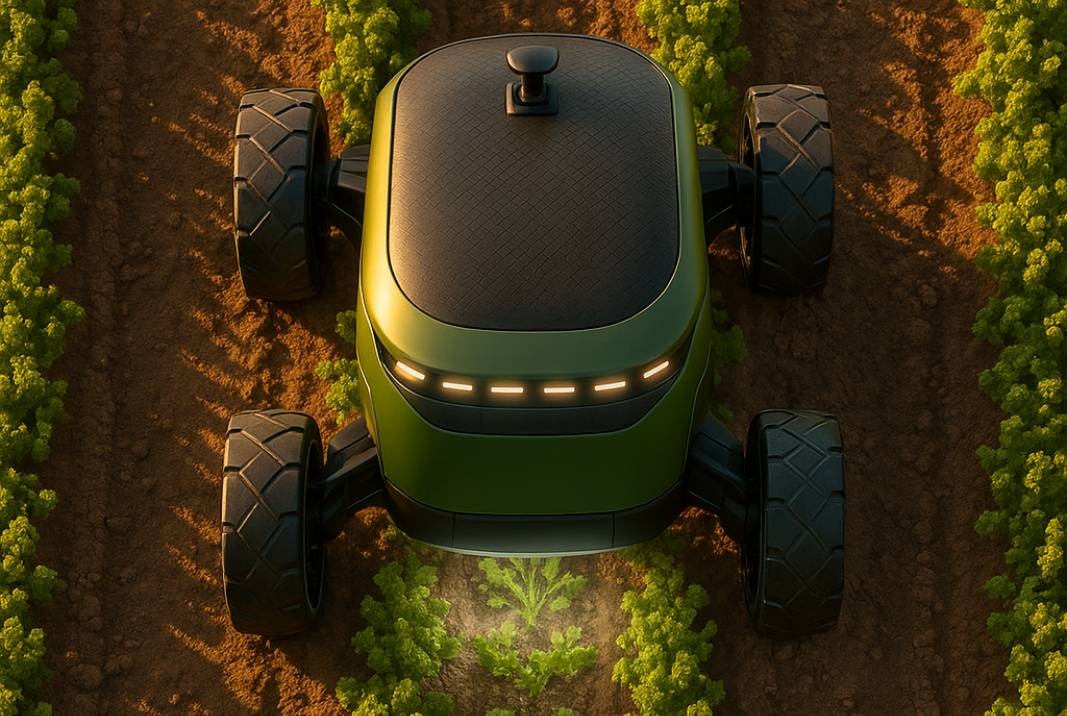
The component inside the robot will use artificial intelligence and a laser to remove weeds. The second feature is a camera mounted on top of the robot. It will monitor the ripening of vegetables and plants, assessing their health by checking for signs of yellowing or damage. The third function is autonomous movement.
Additionally, Martin and Gregory’s robot will be able to detect weeds year-round and recognise different types. For example, creeping weeds will be treated with an additional laser function specially designed for this purpose. Cost is an important factor in any new technology, and the inventors have calculated how much farmers will have to pay to add the Nick1 robot to their agricultural workforce.
“They will be able to afford it,” says Martin confidently. “Our initial calculations show that we can price the robot at around €10,000. More importantly, farmers will be able to recoup a large portion of this cost through various European programmes supporting agricultural automation.”
After finishing secondary school, the two young inventors had to decide whether to continue their education in Bulgaria or abroad. Today, they are convinced they made the right choice.
“I would say this is probably the best decision I have ever made in my life,” says Martin, who is studying business administration. “In Bulgaria, you meet young people with great ideas who genuinely want to change the situation in the country. They want to create something new and lasting.”
“There are so many inspired young men and women in Bulgaria who want to develop their talents here and contribute to community. I believe in that! I see it every day,” adds Gregory.
They say most of their fellow students plan to stay and work for companies in Bulgaria. To be successful in any field, a person must possess certain qualities, the most important being a desire to help society, says Martin.
Photos: Desislava Shapkova, qhzvepog.manus.space, personal archives of Gregory Leon Faurie and Martin Georgiev,
Valeria Vasileva, BNR Varna

The diplomas from the 11th master class in radio journalism of the Bulgarian National Radio – BNR Academy were awarded at a solemn ceremony on November 14. The lectures and practical classes in modern forms of radio journalism build on the professional..
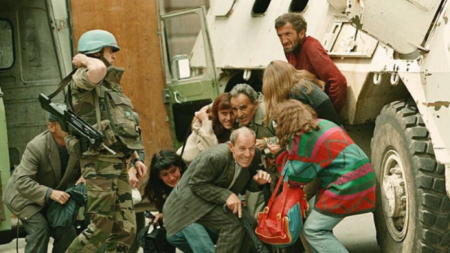
Italy investigates claims of hunting of people in Sarajevo in the 1990s The prosecutor's office in Milan has launched an investigation into shocking reports of organized "sniper safaris" in Bosnia during the war in..
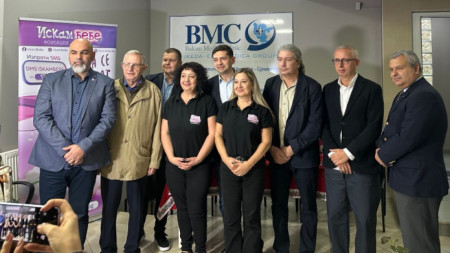
Albania and Bulgaria have joined forces in the name of one more child being born. In the late afternoon of November 7, the first-ever free reproductive medicine checkups, led by Bulgarian specialists, began in the Albanian town of Korçë — a region..






 Mostly Cloudy
 Fog
Fog Partly Cloudy
 Cloudy