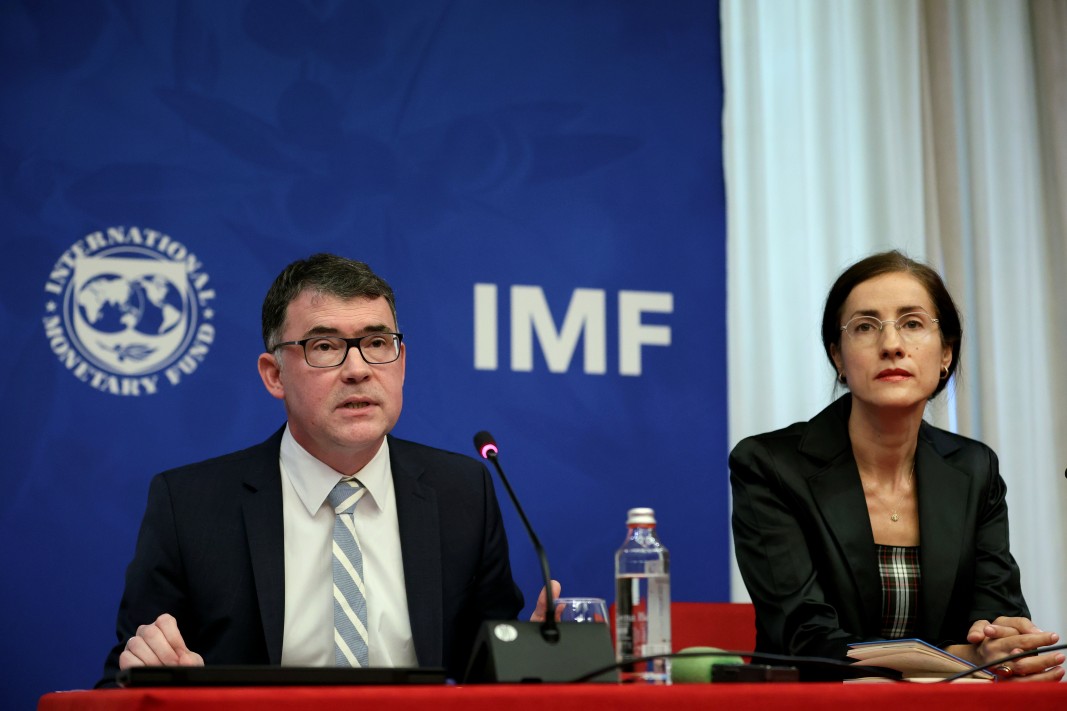
Bulgaria has the opportunity to reap the full benefits of eurozone membership, but this will require stronger fiscal discipline, effective management of transition risks, and accelerated structural reforms, the International Monetary Fund (IMF) mission said on Tuesday, as reported by the Bulgarian News Agency (BTA).
The IMF expects GDP to grow by around 3% in 2025–26, supported by private consumption and credit expansion. Inflation is expected to ease, though it will remain at around 3.5%, driven by rising labour costs: wages are rising faster than productivity, which puts pressure on profits and pushes companies to raise prices.
The IMF also recommends investing in human capital, improving the rule of law, enhancing competition in public procurement and reforming the energy sector.
In its “Questions and Answers” section on the introduction of the euro, the Bulgarian National Bank has published a clarification on how the single currency should be denoted and written in accordance with EU regulations. The name of the..

The government approved the draft Law on the 2026 State Budget, as well as the Updated Medium-Term Budget Forecast for the 2026–2028 period. In connection with the introduction of the euro on January 1, 2026, all figures have been prepared in..
Citizens should remain calm about the introduction of the euro in Bulgaria from January 1, 2026, as the Bulgarian National Bank and commercial banks are ready for all processes related to the currency conversion and distribution of euro banknotes. This..








 Overcast, rain
 Mostly Cloudy
 Cloudy
 Rain / Snow
 Cloudy