U.S. sanctions on NIS activated despite expectations of delay
U.S. sanctions on Serbian oil company NIS – Naftna Industrija Srbije came into force on Thursday after being postponed eight times and despite expectations of yet another postponement, Serbian Radio and Television (RTS) reported.
Albanian families spend nearly half their income on food
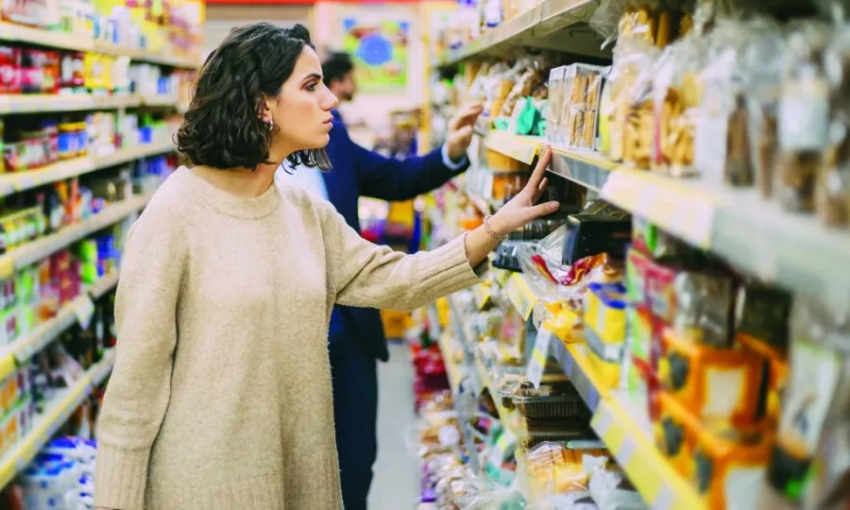
In Albania, the average household spends around 40% of its budget on food alone, Euronews Albania reported. According to the Albanian Institute of Statistics (INSTAT), little remains for other necessities, such as education, entertainment or savings. INSTAT notes that the consumer basket is the largest single expense for Albanian families.
Prices for staple products such as bread, oil, milk and vegetables have risen significantly over the past two years.Citizens told the media their salaries barely cover expenses, leaving them able to buy only essential items. Some said they were surprised that prices in Albania are significantly higher than in Western European countries.
In the capital, Tirana, where living costs are highest, monthly household expenses can exceed 108,000 lek (approximately €1,118).
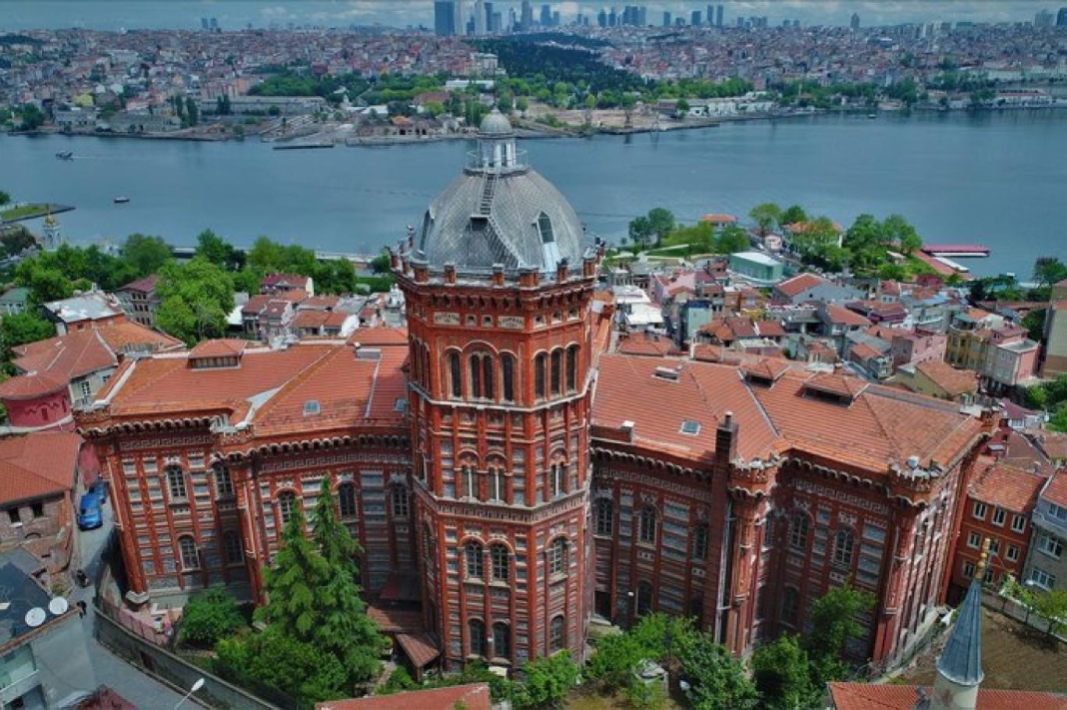
Istanbul's oldest Greek school will not admit any new students for the first time in 571 years
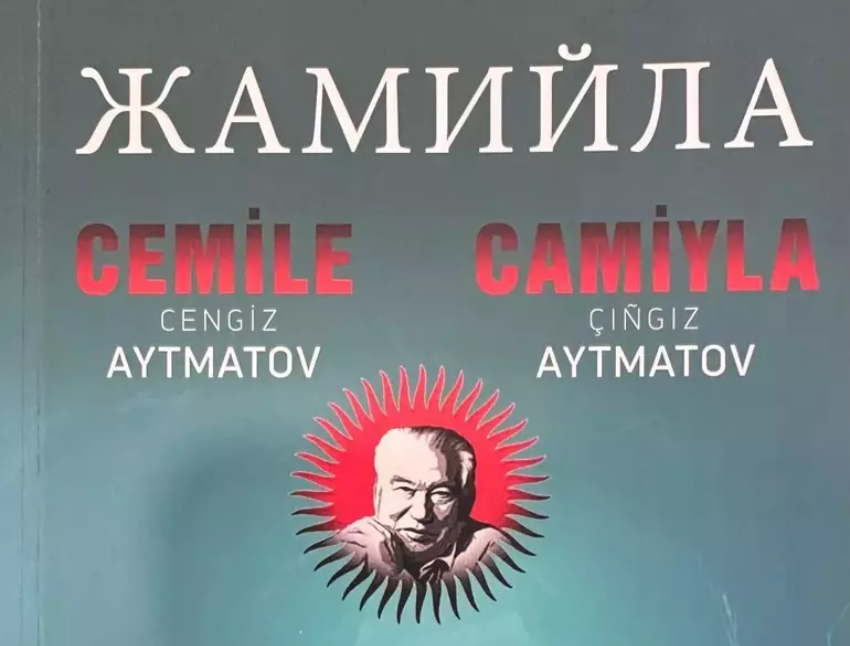
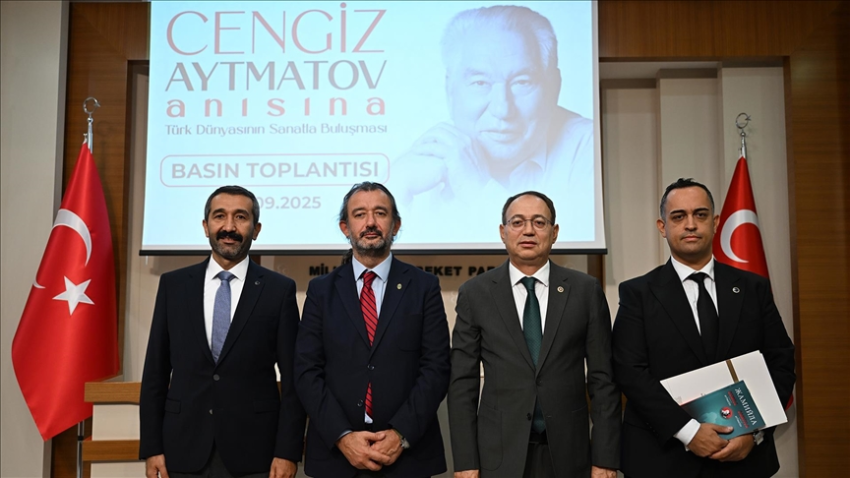
Turkey unveils first book published in common Turkic alphabet
The pilgrimage to the relics of St. Parascheva in Iași, Romania, will continue until 14 October
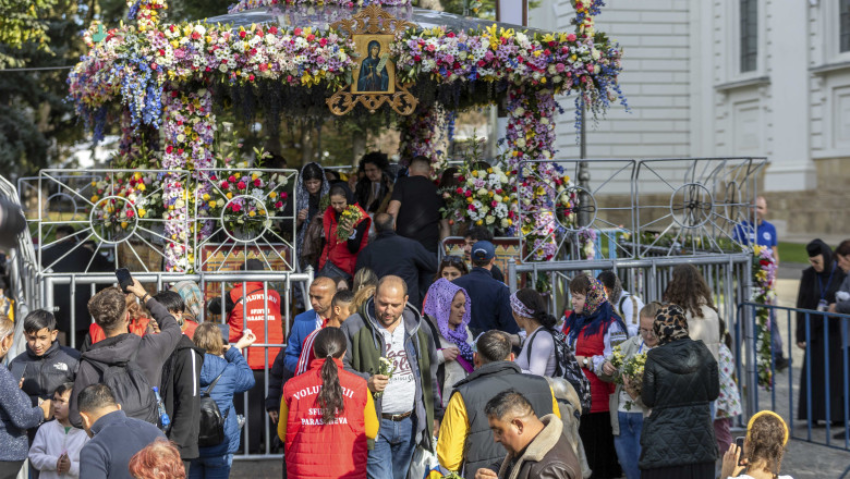
The largest Orthodox pilgrimage in Romania is underway at the cathedral in Iași, drawing the faithful to the relics of St. Parascheva, also known locally as St. Petka, AGERPRES reported. The saint is worshipped by several Orthodox churches, including those of the Greek, Romanian, Bulgarian, Russian and Serbian traditions.
Authorities have warned that waiting times to venerate the relics could be as long as 20 hours, with queues stretching over three kilometres. The pilgrimage will culminate on 14 October, the saint’s feast day, also known as the Feast of St Petka of Bulgaria.
Her relics were transferred to Tarnovo by the Bulgarian ruler Tsar Ivan Asen II in 1238, and after several subsequent relocations, they were placed in Iași in 1641. Each year, hundreds of thousands of Orthodox and Catholic pilgrims from Romania and abroad attend the event.

Bulgaria celebrates National Reading Day on the third Friday of November. The Reading Foundation is leading the initiative under the motto: “Read. For Real”. According to the OECD's PISA 2022 study, 53% of 15-year-old students in Bulgaria have..
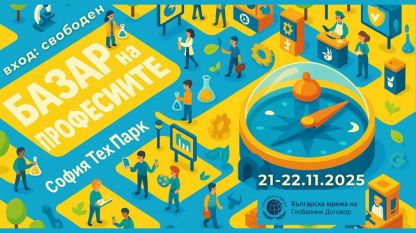
On November 21–22, 2025, the 11th edition of the Career Fair will take place at the John Atanasov Hall in Sofia Tech Park. The forum aims to support early career orientation for young people in Bulgaria and is organized by the Bulgarian Global..
From fear and doubts to joy and support – Bulgarians react differently to the upcoming introduction of the euro on January 1, 2026. For some, it is a logical step towards Bulgaria’s integration into the EU with promises of stability..




 Scattered showers
 Rain
Rain Rain / Snow