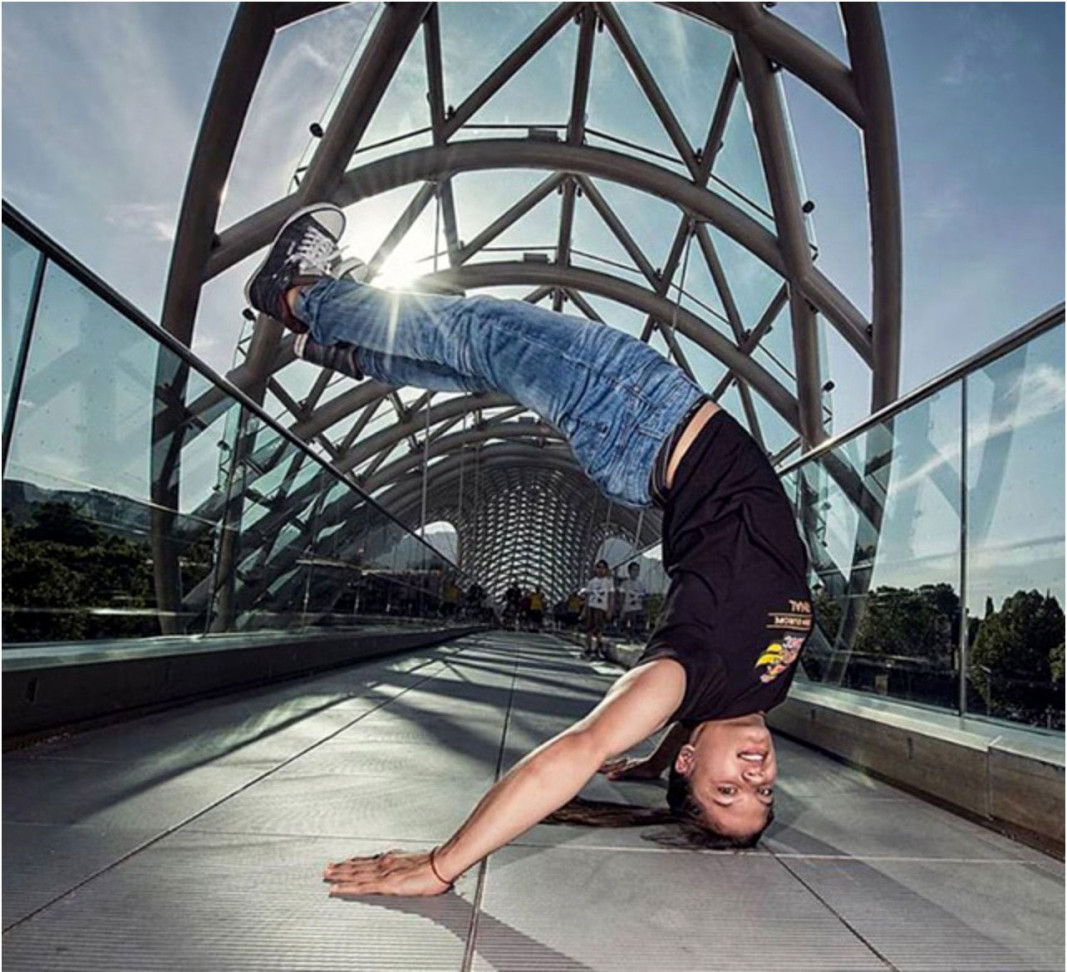
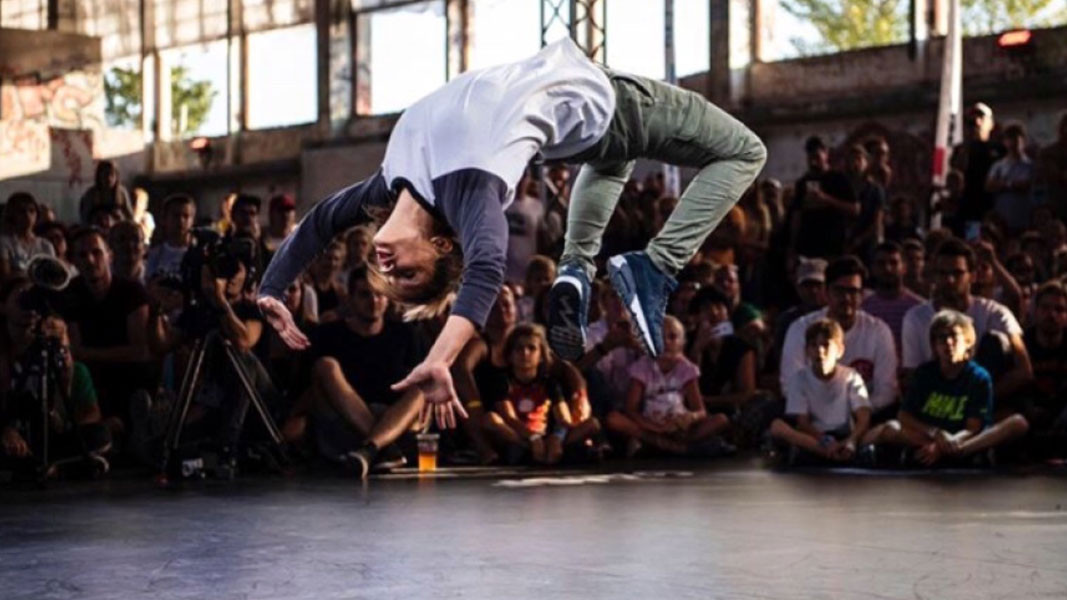
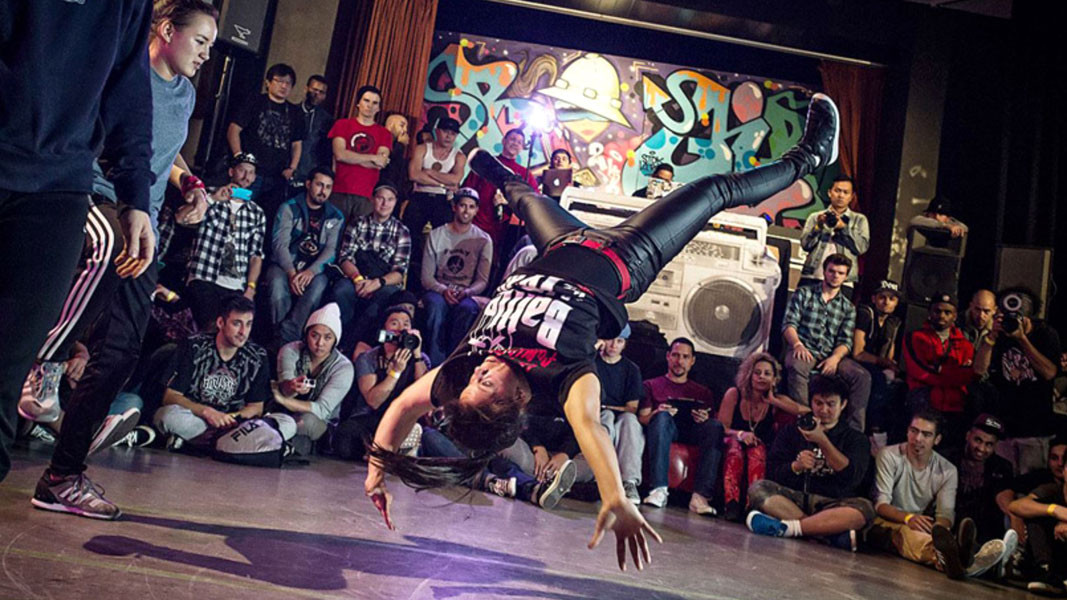
Break-dance battles used to be part of street culture, but today breakdancing attracts huge crowds to the halls for the sake of the explosive show, characterized by rhythm and creativity. And even though break dancing comes close to art, it is likely to debut as a sport at the Paris Olympics in 2024, when among the best 16, we would see Bulgarian Mary Slavova (Queen Mary).
She has won her Olympic quota at the first World Urban Games in Budapest, ranking sixth. The girl from Burgas has been break dancing for twelve years and she is considered one of the big stars in this sport - in 2011 she won the world title for young people under 16, before becoming a world champion.
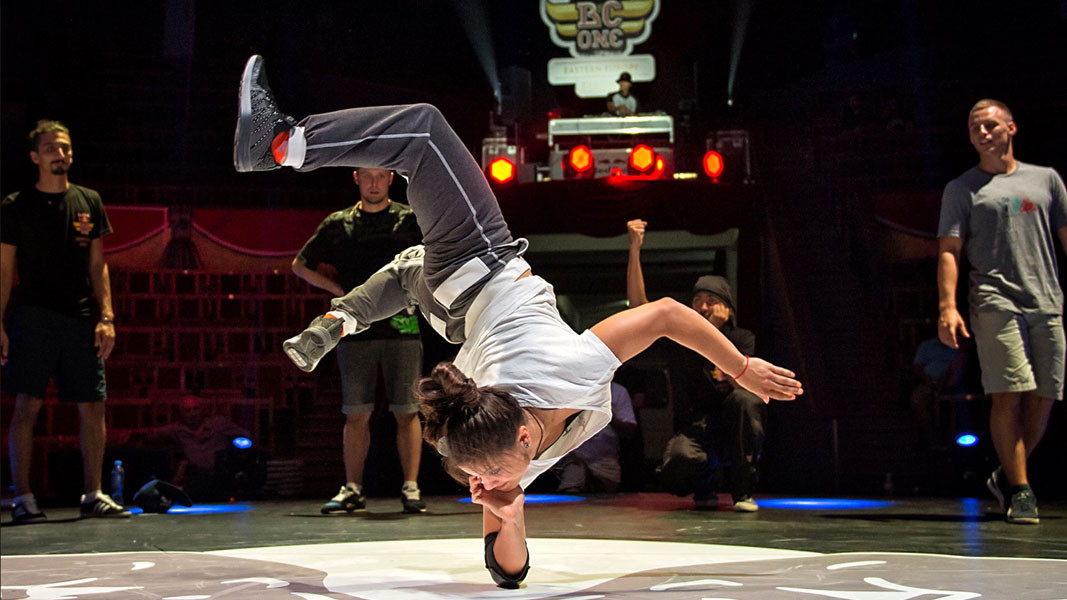
As a child, Mary practiced acrobatics, but quickly quit because she wanted more freedom in movement. She felt more freedom in parkour, but one day she met the right people who introduced her to breakdancing and she was captivated.
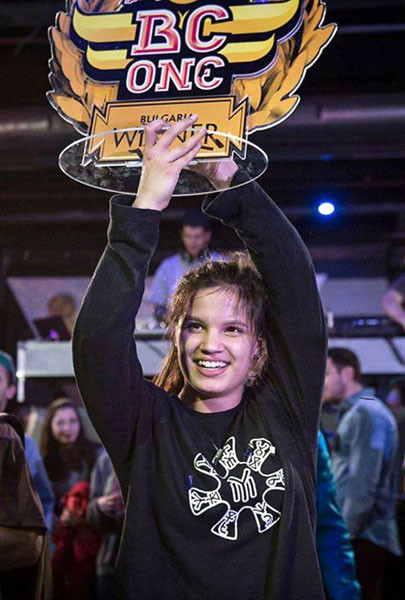 “At first, my parents were skeptical, but after my first successes they started to support me. I like being different but I hope that break dancing would become more popular in our society as it is very catchy.”
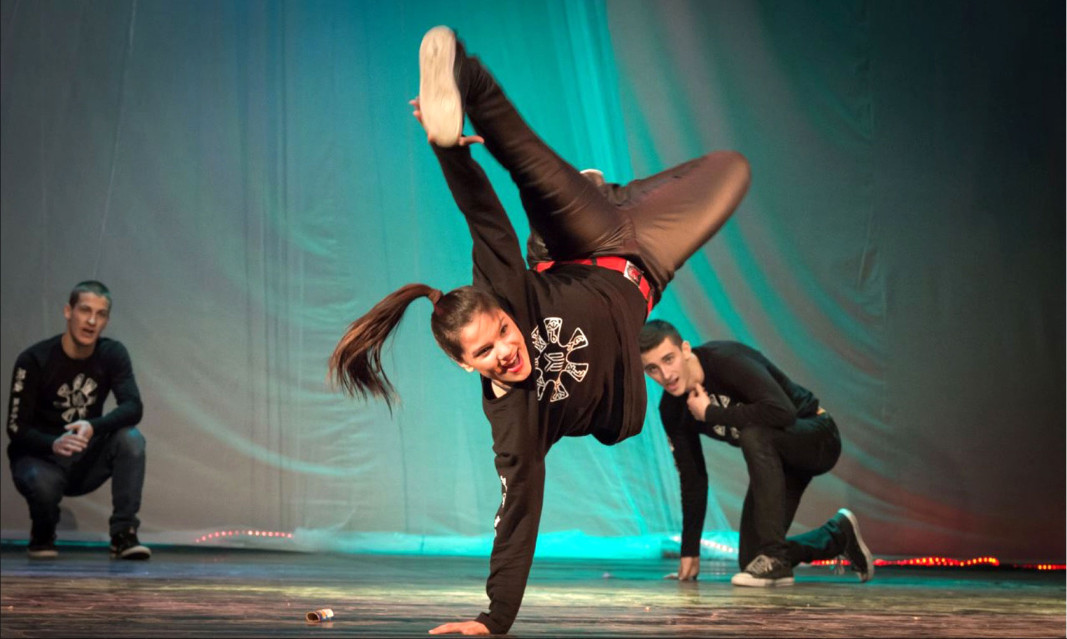
Break dancers attract the audience with their acrobatic moves, quick steps and freezes and they all have their nicknames. Mary has received her royal title from her coach in Burgas, Hristo Andonov.
“Breakdancing has been developing for a long time and is currently very extreme,” the champion says. “That's why everyone who practices it should be an athlete. We keep to a diet and we train constantly. That is why breakdancing is not an art, but rather a sport.”
In a competition, the dancer performs a 40-second combination and participates in the so-called battles as the competitors are divided into categories according to their ranking in previous championships before facing each other.
“During the competition you have to show great complexity of movements and perform the moves perfectly,” Mary says. “The performance can be choreographed in advance, but there is a lot of improvisation involved as no one knows the music that would be played.”
In addition to practicing, Mary has been studying hard and speaks four languages. She graduated from the Roman Languages High School, Burgas, and started studying medicine in Brussels, but quit because she had no time to dance. She is currently studying psychology in England, where excellent conditions for practicing sports exist.
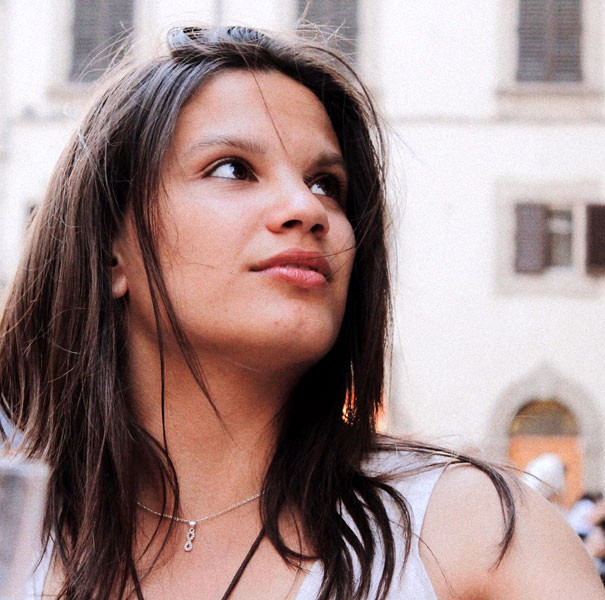 “Unfortunately, Bulgaria is lagging behind in terms of support, whether financial or moral,” Mary says. “This is the reason for being behind the others, but at the same time we are filled with hope and we are going forward.”
Mary has been dreaming of opening her own breakdance club in Bulgaria to pass on her experiences to children. In the meantime, the Olympics are waiting for her. Four years is a long time, but I will certainly be in Paris - as a participant, judge or coach, she says.
Snowboarder Malena Zamfirova, who recently won the award for best young athlete in Europe, has received yet another international recognition, BGNES reports. With the votes of alpine snowboard fans from all over the world, the..
The Bulgarian crew of the yacht "Ivana & Alex" won the title in the IRC2 division at the Bonifacio IRC European Championship 2025 in Corsica, held between October 7 and 12. This is Bulgaria’s first European title and a historic achievement for..
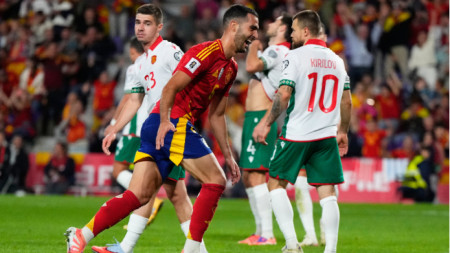
Bulgaria lost 0–4 to European football champion Spain in a World Cup qualifier of Group “E”. Mikel Merino scored twice for Spain. Atanas Chernev scored an own goal 11 minutes before the end of the match. In stoppage time, Mikel Oyarzabal sealed the..






 Partly Cloudy
 Cloudy
 Mostly Cloudy