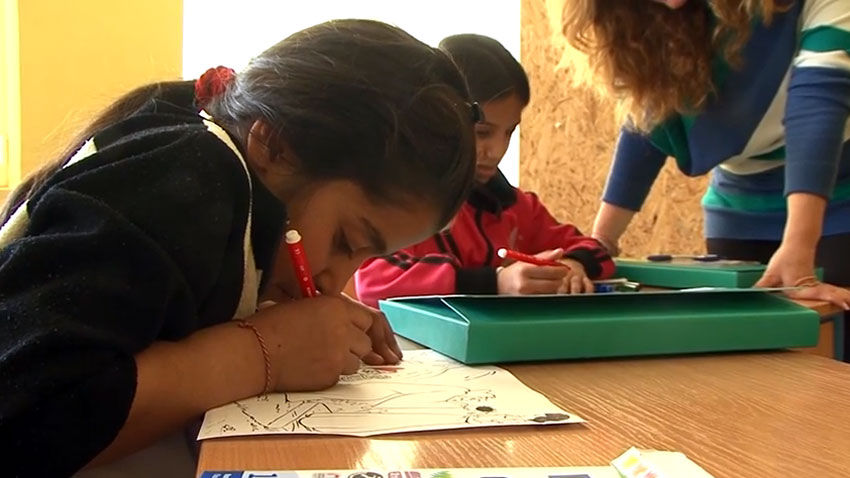
72% of Roma in Bulgaria do not know if there is a law prohibiting discrimination, reads the report "Discrimination against Roma in Croatia and Bulgaria" presented by the Amalipe Center for Interethnic Dialogue and Tolerance. 84% of the respondents do not know of any organization offering support or advice to people who have been subject to discrimination. 86% of the respondents do not even report cases of discrimination.
The main areas of most frequent discrimination are education, employment, health care and housing. However, the percentage of Roma youth who have completed secondary and higher education has increased. Spatial segregation of the Roma population is common in both countries. It is manifested in poor infrastructure and transport, lack of regulation and legal permits to build decent housing, lack of utilities and infrastructure such as electricity, water, street lighting, garbage collection and many other utilities necessary to everyday life, the report of Amalipe Center for Interethnic Dialogue and Tolerance further reads.

“I call on all representatives of the Movement for Rights and Freedoms in local government — mayors and municipal councilors — to ensure security and predictability for the people and to take the necessary steps to keep all local taxes and fees..
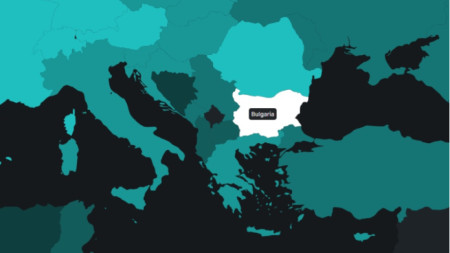
Bulgaria has climbed to 11th place in this year’s Digital Quality of Life 2025 (DQL) index published by Surfshark, up from 18th last year, BTA reported. The index evaluates countries’ digital well-being across five dimensions: fixed broadband..

Around 90% of the antiques seized during an international operation targeting a cultural property trafficking network will be returned to Bulgaria, Deputy Minister of Culture Todor Chobanov told “Nova TV”. “This is an unprecedented operation in..






 Mostly Cloudy
 Partly Cloudy
 Cloudy
 Fog
Fog