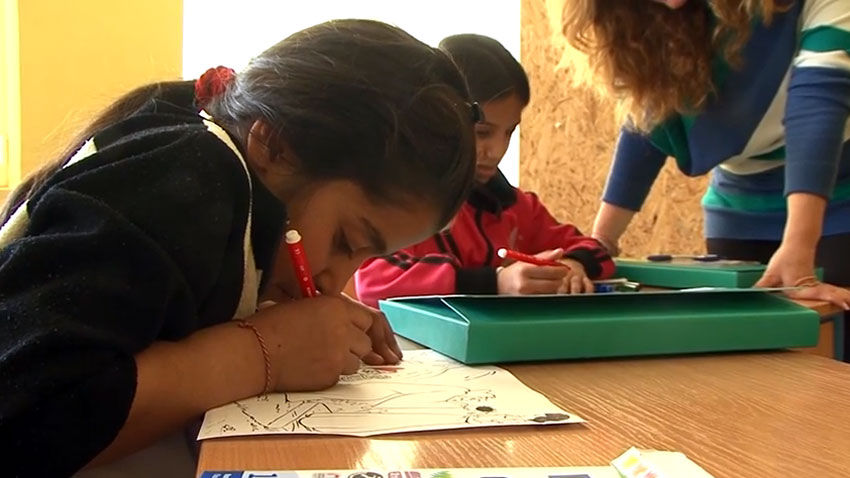
72% of Roma in Bulgaria do not know if there is a law prohibiting discrimination, reads the report "Discrimination against Roma in Croatia and Bulgaria" presented by the Amalipe Center for Interethnic Dialogue and Tolerance. 84% of the respondents do not know of any organization offering support or advice to people who have been subject to discrimination. 86% of the respondents do not even report cases of discrimination.
The main areas of most frequent discrimination are education, employment, health care and housing. However, the percentage of Roma youth who have completed secondary and higher education has increased. Spatial segregation of the Roma population is common in both countries. It is manifested in poor infrastructure and transport, lack of regulation and legal permits to build decent housing, lack of utilities and infrastructure such as electricity, water, street lighting, garbage collection and many other utilities necessary to everyday life, the report of Amalipe Center for Interethnic Dialogue and Tolerance further reads.
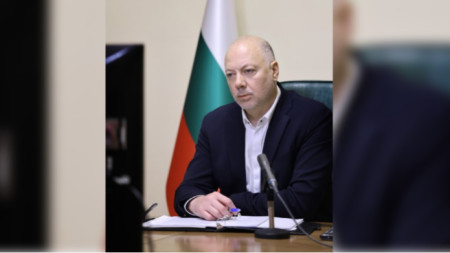
“Borders cannot be changed by force, and Ukraine’s long-term security must be guaranteed”, Bulgaria’s Premier Rossen Zhelyazkov said during a videoconference meeting of the “Coalition of the Willing”, led by French President Emmanuel Macron and UK..

Business forum on the topic "Bulgaria - China: cooperation in the automotive sector" is being held on November 26 in Sofia. Its organizers are the Bulgarian Chamber of Commerce and Industry and the Embassy of the People's Republic of..
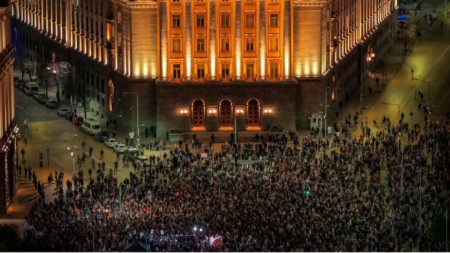
The Bulgarian Industrial Capital Association has called for participation in a protest on November 26 against the budget for 2026, which is about to be adopted at second reading. "We call not only our members, but also all..






 Mostly Cloudy
 Partly Cloudy
 Cloudy
 Fog
Fog