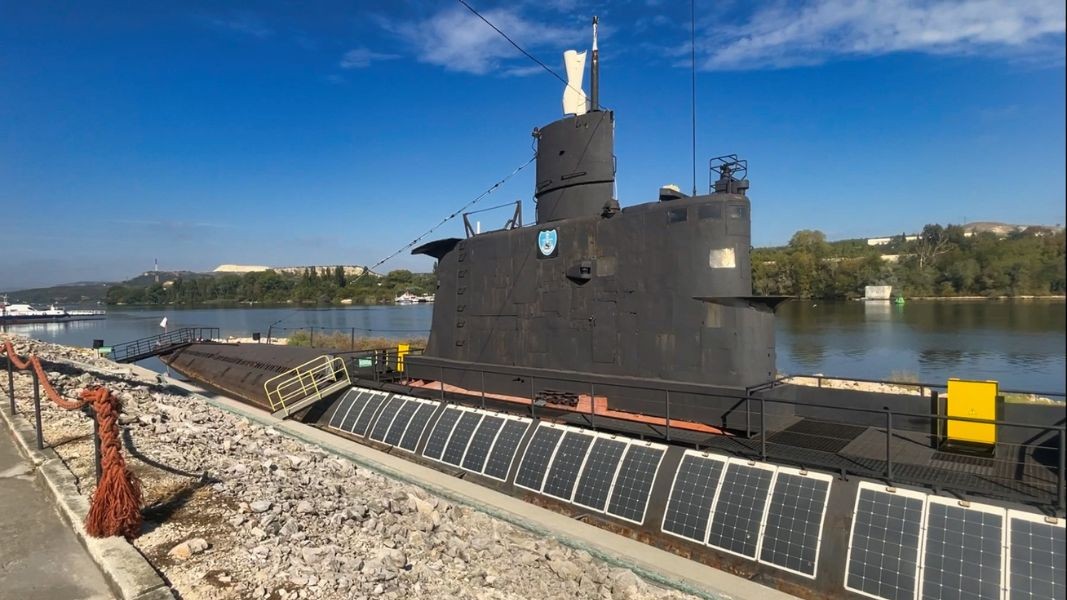
Beloslav is a small town on one of the branches of Varna Lake. Yet it is here, in this quiet little town, that the only preserved Bulgarian submarine – Slava – is anchored. It was decommissioned a long time ago, and has now been turned in one of the most popular museums in Bulgaria. 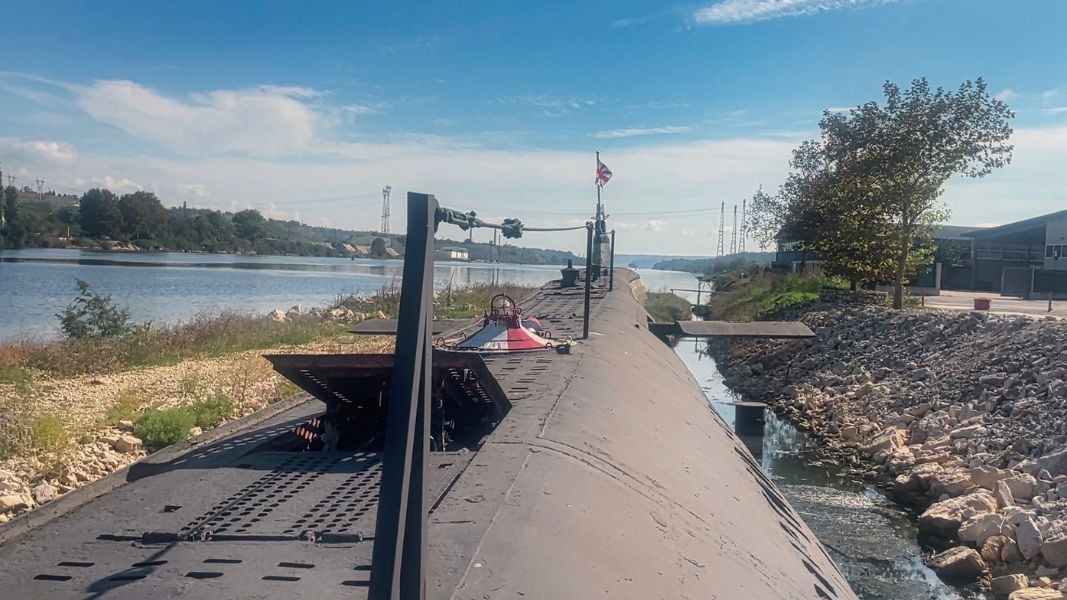
Visitors to the museum can get to know the history of the submarine, produced in the Soviet Union in 1959. In 1985 it was handed over to Bulgaria’s naval fleet under the name of Leninski Komsomol, but in the early 1990s, it was renamed Slava (Glory). Once Bulgaria joined NATO, the submarine took part in joint exercises with the country’s allies, but was later decommissioned and sank into oblivion.
“We had a clear objective – the last of Bulgaria’s submarines must not suffer the same fate as the other submarines which were cut up for scrap,” says Dancho Kalchev who runs the Slava museum and is owner of the glass factory nearby. In 2018, his family, along with the Beloslav Glass foundation, joined the initiative of the Union of Bulgarian Submariners for the restoration of the submarine. Two years later, the submarine officially “opened doors” to its first visitors as a museum. 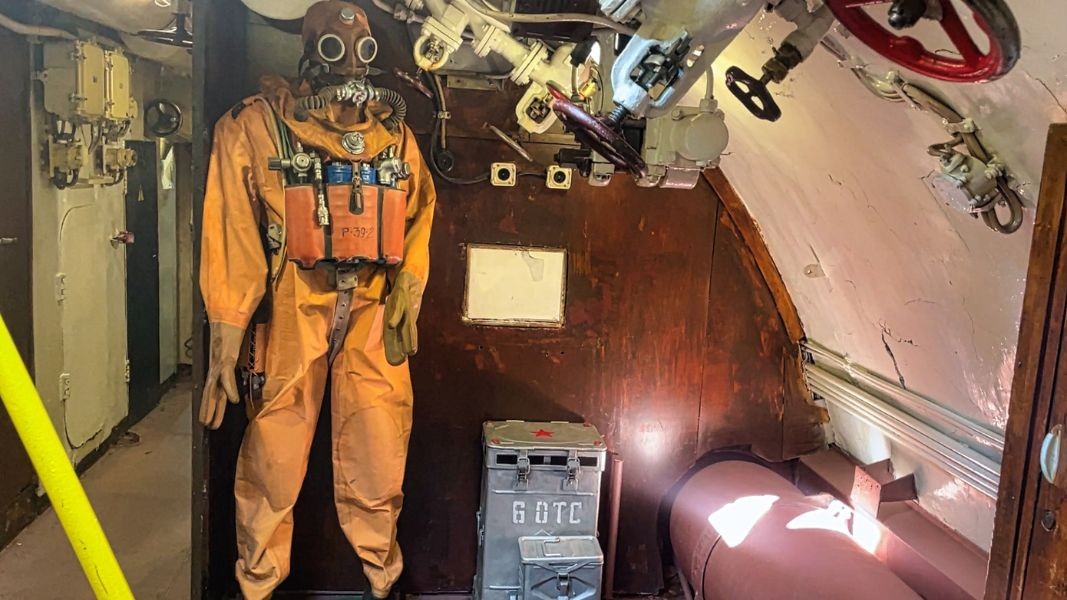
“People can walk around a huge military facility, 76 metres long, 6.5 metres wide and 12 metres high,” explains Dancho Kalchev. “And they can feel the dedication of the submariners – spending 20 days and nights underwater at a time to protect their country! Visitors can see the torpedo section with the torpedoes ready for launch, the bunks where the crew slept in 8-hour shifts. 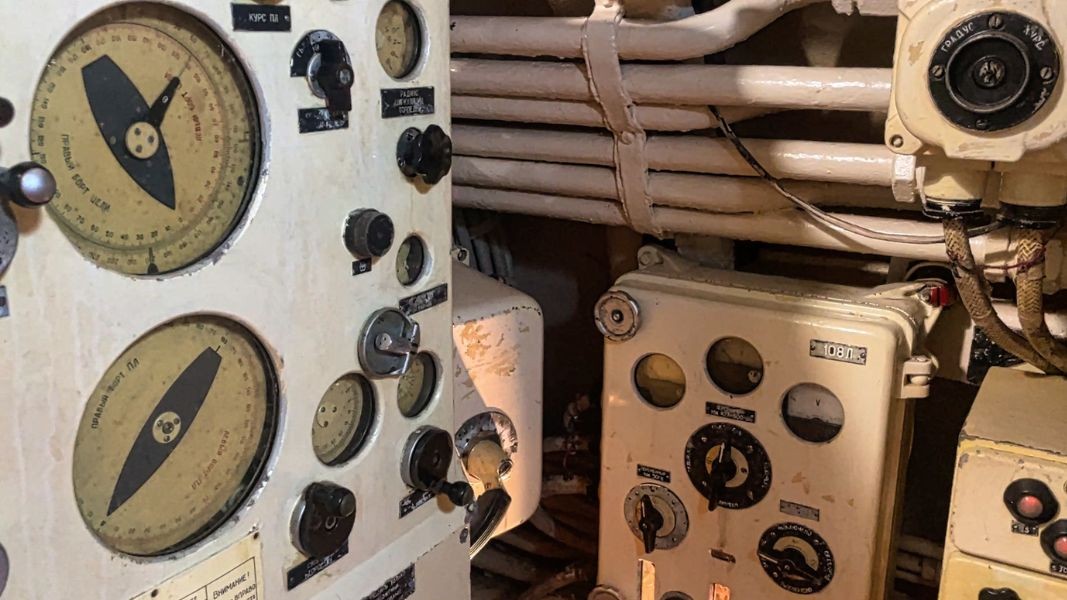
The analogue systems, with all their valves and bolts can also be seen here. Every member of the crew had to know how they functioned because the slightest mistake could cost everyone’s lives. Tourists can also see the encryption unit and the 34 bottles of compressed air. 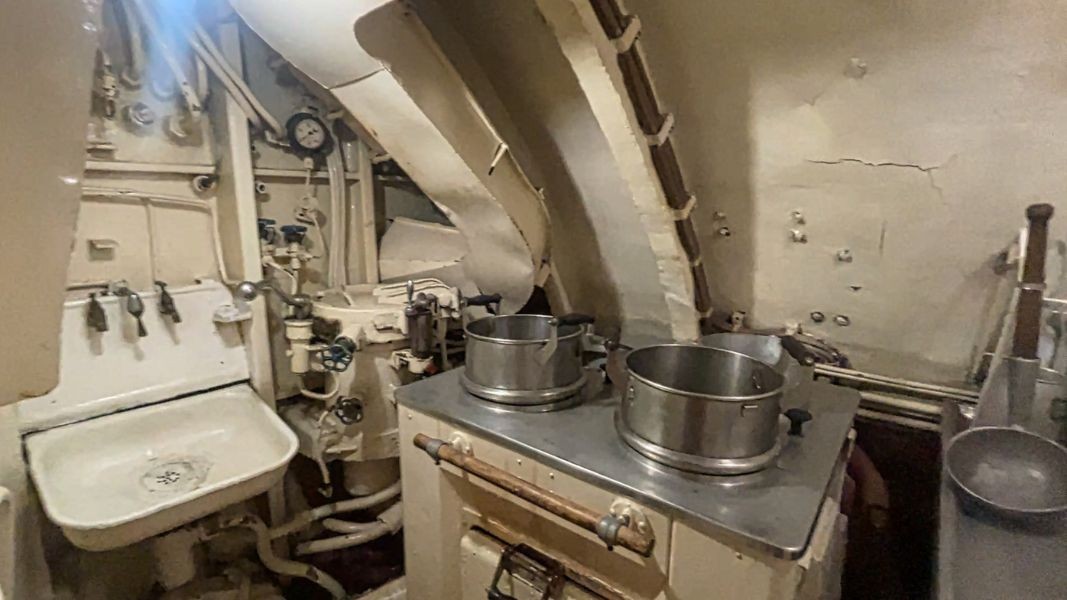
Visitors are eager to see the kitchen where 180 meals were cooked per 24 hours, as well as the two bathrooms – confined but vital for the 60-member crew.”
While we make our way along the claustrophobic corridors, we gradually come to realize what it was like to be living a life of iron discipline, sharing the air with 60 other people when there is no room for any mistakes. “This here is not a film – everything is real,” Dancho Kalchev says. According to some sources, the submarine took part, under a Soviet flag, in the 1962 Cuban missile crisis. But after it was handed over to the Bulgarian navy in 1985, Slava only operated within the Black Sea. 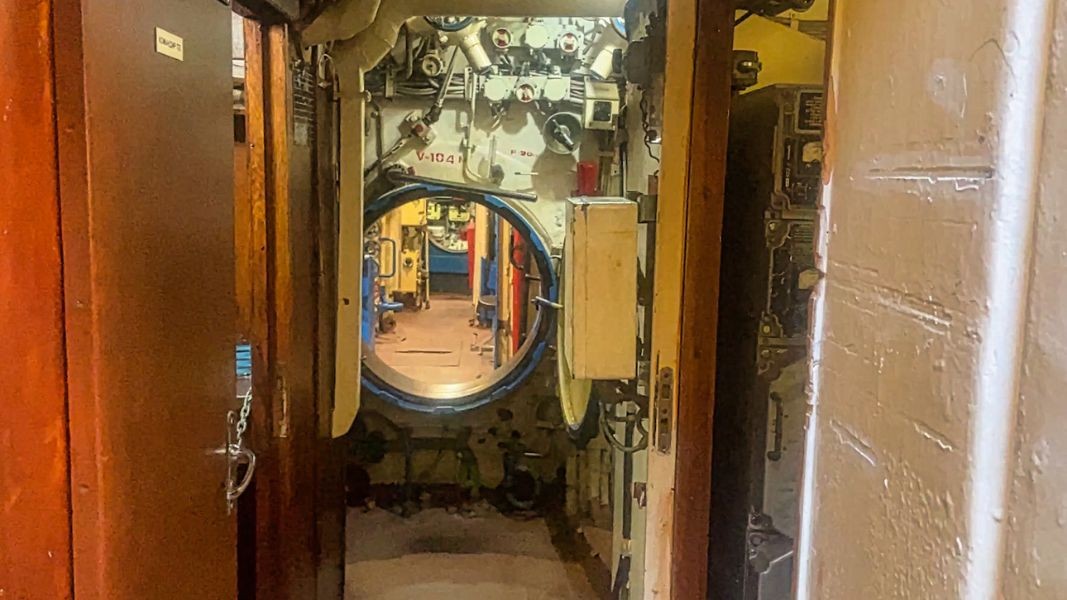
“No Bulgarian submarine has ever left the Black Sea. The function of the Bulgarian submarines was to safeguard the shores of the country – they were the first to confront enemy ships and destroy them. Between 1916 and 1918 Bulgaria was actually one of the 10 countries in the world with a submarine fleet. Unfortunately, we no longer have any functioning submarines,” Dancho Kalchev concludes.
More:
Translated and posted by Milena Daynova
Photos: Veneta Nikolova
In the world of the Thracians, who had no written language, the most important messages were conveyed through art. The Letnitsa Treasure is precisely such a message — about power, beliefs, and the path to wisdom . This unique discovery, dated between..
On November 21, the day of the Presentation of Virgin Mary (or the Entry of the most Holy Theotokos into the Temple), the Orthodox Bulgarians also celebrate the Day of the Christian Family and the Learning Youth. The holiday was established by the..

During a visit by the Radio Bulgaria team to the Bulgarian Orthodox Parish "Nativity of the Mother of God" in Geneva, we had the pleasure of meeting Ventseslav Sabev, the son of long-time church history professor at the Sofia Theological Seminary,..







 Cloudy
 Mostly Cloudy
 Cloudy