Podcast in English
Text size
Bulgarian National Radio © 2026 All Rights Reserved

Bulgaria switches to summer time - how will it affect us?

Photo: wunderweib.de

On the night of Saturday to Sunday (30 March), at 3am, we need to move the clock forward one hour - to 4am. This will give us an hour less sleep on that particular night, but in the long run we will be able to make better use of daylight, which should also lead to a reduction in lighting costs and more time for outdoor activities.


Bulgaria has been moving its clocks one hour forward or back (when switching to standard time) twice a year for 46 years. For many people this is a source of great stress, as it takes time to get used to the change of time.
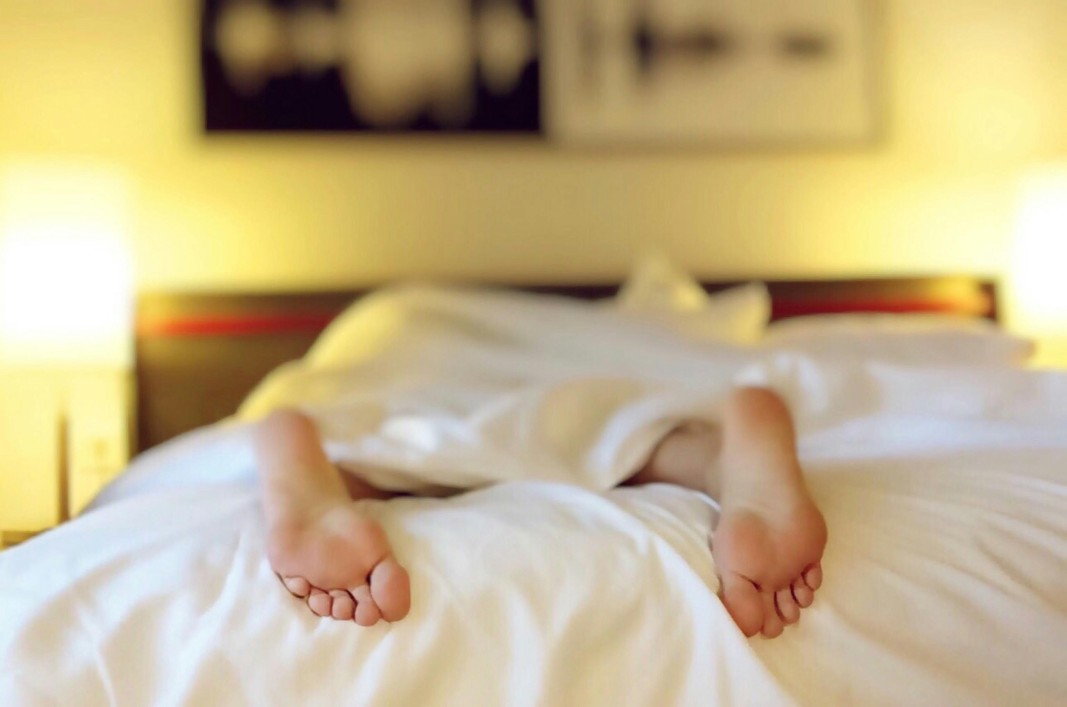


Shifting time often disrupts our internal biological clocks, leading to increased fatigue, stress, and even health risks, according to doctors. Psychiatrists say that both young and old people experience temporary fatigue and disorientation, similar to jet lag from long-distance travel. For some, the adjustment can take weeks.

Pixabay
The reason for this, say neuroscientists, is that our organism is very precisely calibrated by hormones. Everything in the human body is connected - brain activity, the digestive system, including the waking and sleeping cycles. So we are biologically tuned to a certain length of day and night, and even a change of just one hour can cause an imbalance in all the body's systems. For this reason, they oppose changing the time, especially twice a year, and liken the human body to a "rather elaborate orchestra" that needs to be readjusted with each external change.

According to the American Academy of Sleep Medicine, "an abundance of accumulated evidence indicates that the acute transition from standard time to daylight saving time incurs significant public health and safety risks, including increased risk of adverse cardiovascular events, mood disorders, and motor vehicle crashes."

Pexels/ Tiger Lily
In 2021, the European Parliament voted to end daylight saving time in 2021. The European Council has not yet agreed its position on the proposal. Both the Council and the European Parliament must agree in order to pass the legislation needed to end seasonal time changes.

Under current EU law, daylight saving time (DST) begins on the last Sunday in March and ends on the last Sunday in October. EU countries that follow DST include Bulgaria, France, Germany, Italy, Poland and Spain. The UK, Norway and Switzerland also change their clocks to summer time.


Последвайте ни и в Google News Showcase, за да научите най-важното от деня!
Listen to the daily news from Bulgaria presented in "Bulgaria Today" podcast, available in Spotify.

More from category

Warning: Bear! Incident in Karlovo sparks new debate about coexisting with the predator

Security cameras captured a bear in a residential neighborhood of the town of Karlovo a few days ago. The predator came down to the houses in the northern part of the town and walked calmly along the streets until it was startled by a passing car...

published on 11/22/25 9:05 AM

The Club of Bulgarian Women and Families in Hamburg celebrates its 20th anniversary

The Day of the Christian Family is an annual event that brings Bulgarians in Hamburg together. 2025 is no exception, with invitations having been circulating on social media for some time, as this year marks the 20th anniversary of the establishment of..

published on 11/21/25 1:49 PM
Vjosa Osmani

Balkan developments

Kosovo is heading for early elections after nine months of failed attempts to form a government Kosovo President Vjosa Osmani has dissolved Parliament, Koha Ditore reports. This decision came after the proposed cabinet, put forward by Glauk..

published on 11/21/25 11:39 AM