On the night of Saturday to Sunday (30 March), at 3am, we need to move the clock forward one hour - to 4am. This will give us an hour less sleep on that particular night, but in the long run we will be able to make better use of daylight, which should also lead to a reduction in lighting costs and more time for outdoor activities.
Bulgaria has been moving its clocks one hour forward or back (when switching to standard time) twice a year for 46 years. For many people this is a source of great stress, as it takes time to get used to the change of time.



Bulgaria celebrates National Reading Day on the third Friday of November. The Reading Foundation is leading the initiative under the motto: “Read. For Real”. According to the OECD's PISA 2022 study, 53% of 15-year-old students in Bulgaria have..

On November 21–22, 2025, the 11th edition of the Career Fair will take place at the John Atanasov Hall in Sofia Tech Park. The forum aims to support early career orientation for young people in Bulgaria and is organized by the Bulgarian Global..
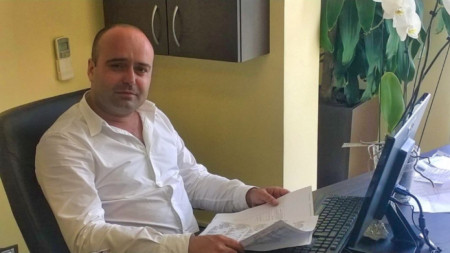
From fear and doubts to joy and support – Bulgarians react differently to the upcoming introduction of the euro on January 1, 2026. For some, it is a logical step towards Bulgaria’s integration into the EU with promises of stability..






 Scattered showers
 Rain
Rain Rain / Snow