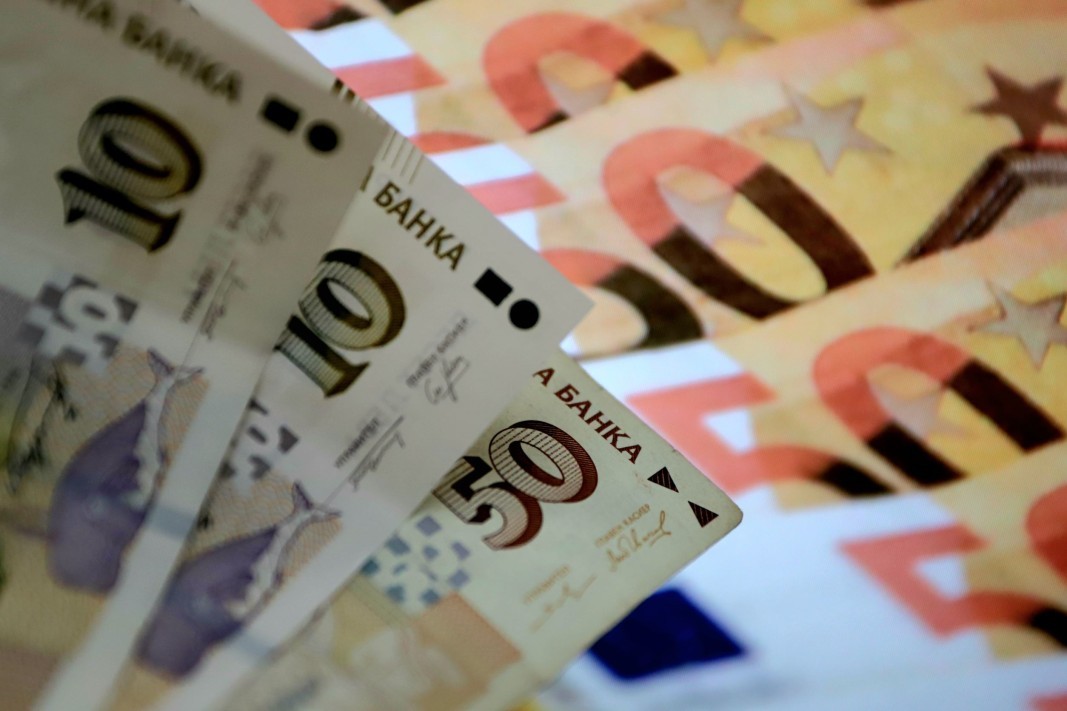
The positive convergence report will have a positive impact on people's standard of living and purchasing power, as well as on the country’s business environment, Bulgaria’s Minister of Economy Petar Dilov said in an interview with public service broadcaster BNT.
He recalled that the process started back in 2018, when Bulgaria took steps toward joining the Banking Union and the Exchange Rate Mechanism (ERM II). According to Petar Dilov, eurozone accession typically leads to an improvement in a country's credit rating.
Minister Dilov said that small and medium-sized businesses, including those in the tourism sector, are fully prepared and clearly understand the benefits of adopting the common currency.
Joining the euro area will bring predictability in monetary policy, which is a guarantee for economic stability, Minister Petar Dilov further said.
Edited by Ivo IvanovPublished and translated by Kostadin Atanasov
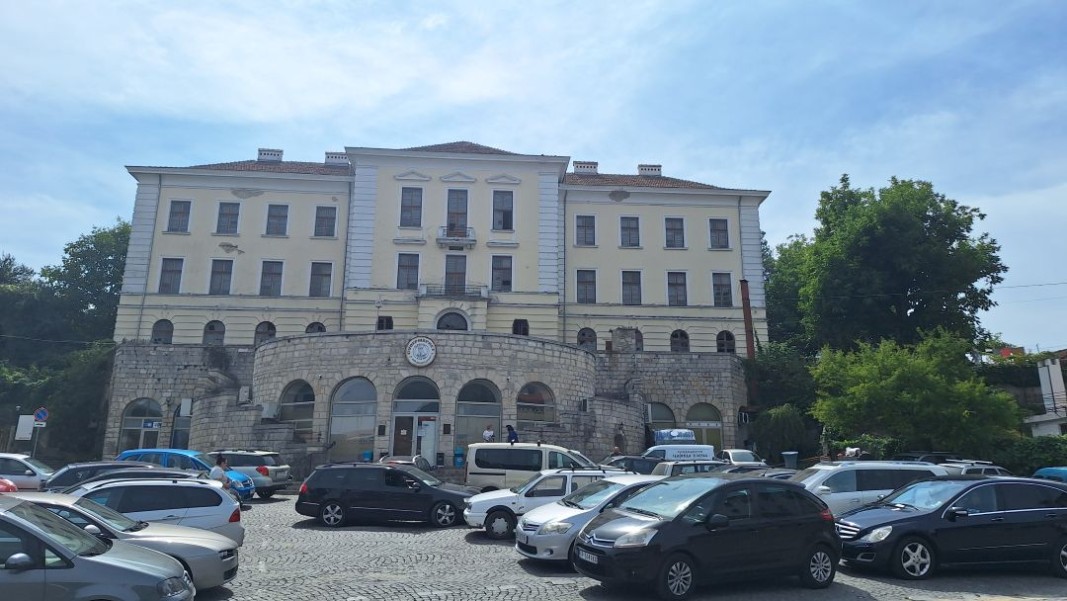
Photo: BGNES-archive
The draft state budget was adopted in first reading by the National Assembly on November 21. However, the planned changes in the financial framework for 2026 triggered an open clash between the ruling coalition, led by GERB party, and the opposition..
KBC Group expects the Bulgarian economy to grow slightly more next year in comparison to its previous forecasts, according to the conclusions of the Belgian financial group's latest assessments of the economies of Central and Eastern..
Foreign direct investment (FDI) in Bulgaria posted the largest net inflows from the Netherlands, Italy and Greece in the first half of 2025, the Bulgarian National Bank (BNB) said. Net FDI inflows totalled €554.9 million from the Netherlands, €325.2..





 Mostly Cloudy
 Partly Cloudy
 Cloudy