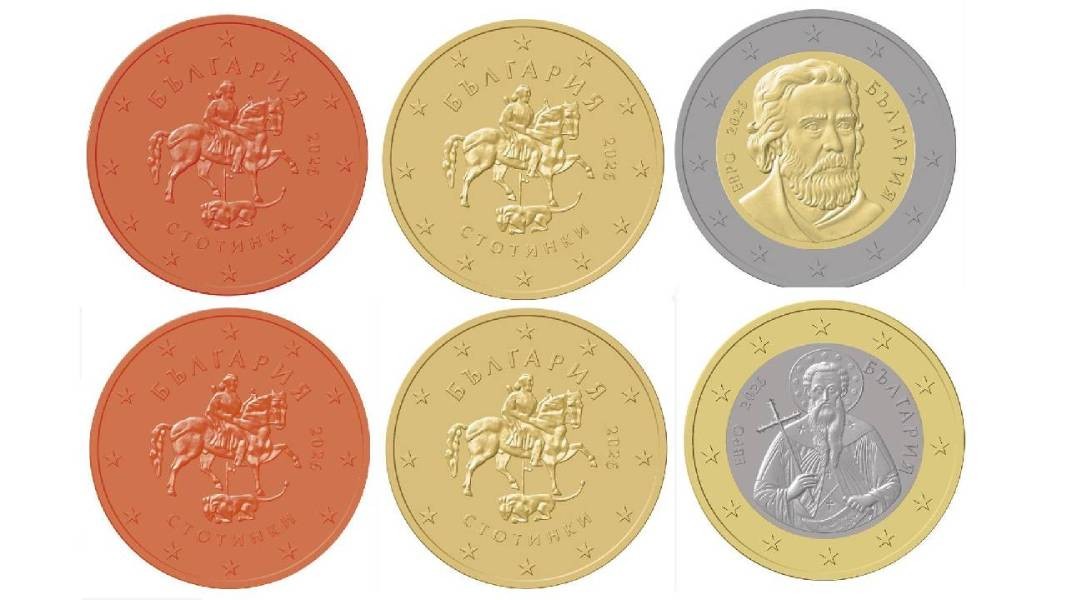
From 1 January 2026, Bulgaria will join the Eurozone, and the lev and stotinki will become a thing of the past. While the new currency will have a different appearance, it will preserve familiar symbols and images. The designs of the Bulgarian euro coins have already been approved by the Bulgarian National Bank (BNB) and the European Commission, and the selected motifs reflect the country’s history and spirituality.
As the BNB has emphasised, keeping images that people recognise will both make it easier for them to accept the new currency and strengthen Bulgaria’s presence in Europe. After all, money is not just a means of exchange; it also carries cultural messages.
The two sides of a coin – European unity and Bulgarian identity
All coins in the eurozone have two distinct sides: a common side and a national side. The common side was created by Belgian designer Luc Luycx from the Royal Mint of Belgium and depicts the European Union or the continent of Europe, emphasising the unity of the EU.
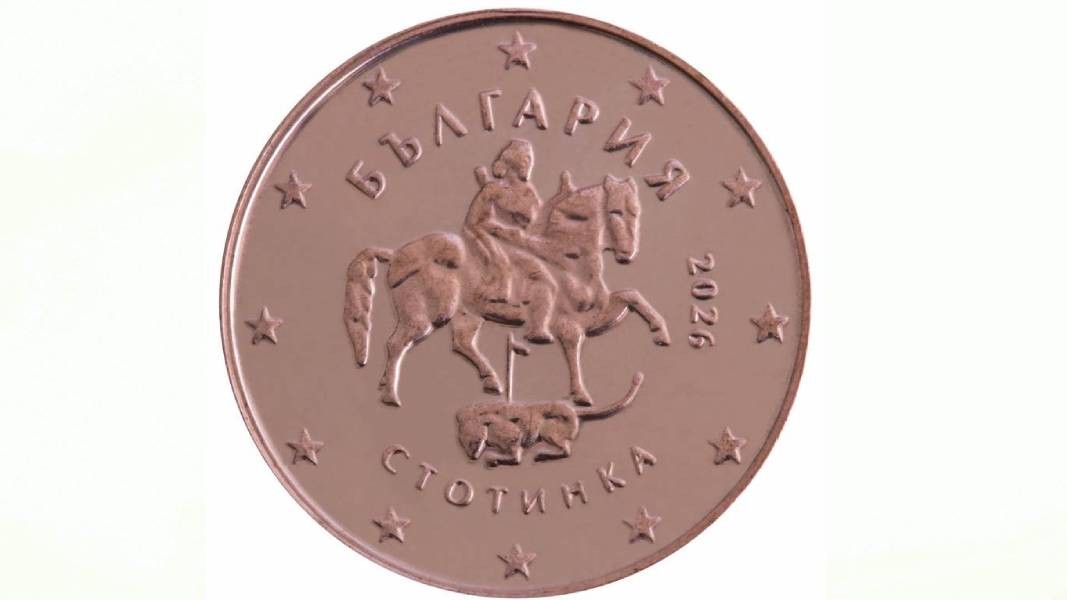
At the same time, each member state has the right to determine the design of the national side of its euro coins. The mandatory symbols on the Bulgarian euro coins will include the circle of 12 EU stars, as well as the word “БЪЛГАРИЯ” in Cyrillic. All coins will bear the year “2026,” marking Bulgaria’s official transition to the euro.
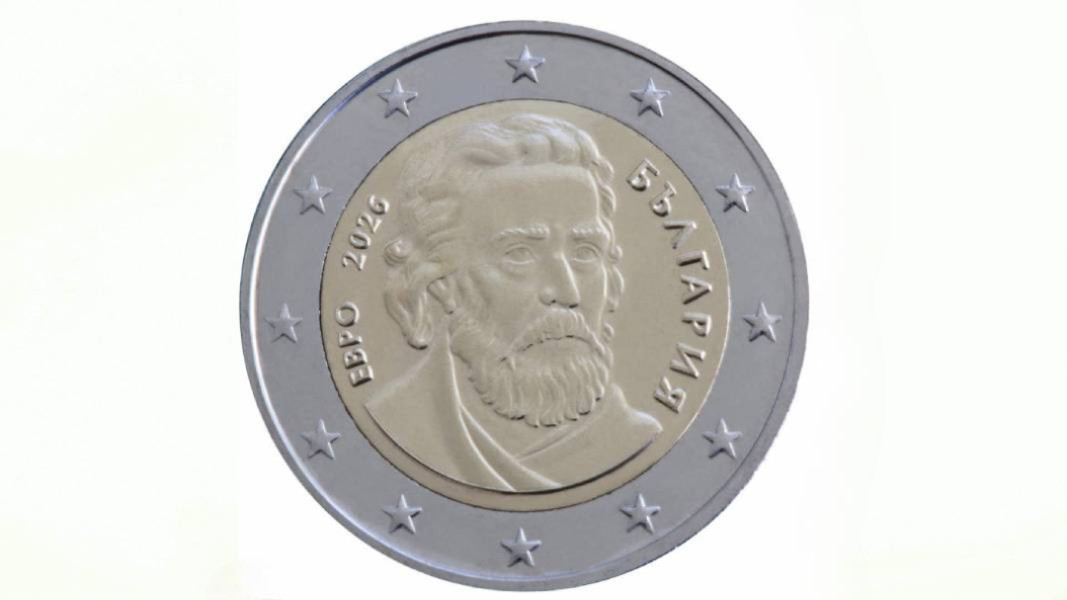
What will the new Bulgarian euro coins look like?
The design was created by the team at the Bulgarian Mint, which will also be responsible for minting the coins. And if we look more closely, we will find familiar yet powerful images on the new currency:
The €2 coin will feature the Bulgarian national enlightener and cleric St. Paisius of Hilendar, and its edge will be inscribed in capital letters with the words “БОЖЕ ПАЗИ БЪЛГАРИЯ” (“GOD PROTECT BULGARIA”). This inscription first appeared on newly minted coins after the Liberation, expressing Bulgarians’ desire to preserve their homeland.
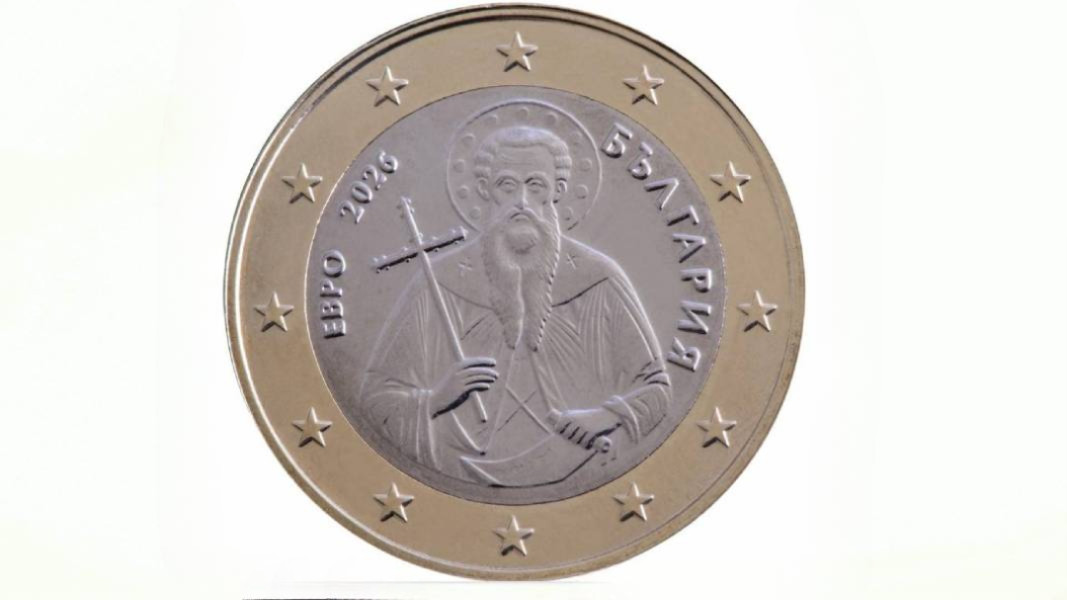
St Ivan Rilski, the heavenly protector of the Bulgarian people, will appear on the €1 coin — a choice that at once evokes mercy and protection, while also expressing the aspiration to preserve Bulgarian identity within a multicultural setting.

“I call on all representatives of the Movement for Rights and Freedoms in local government — mayors and municipal councilors — to ensure security and predictability for the people and to take the necessary steps to keep all local taxes and fees..
Bulgaria has climbed to 11th place in this year’s Digital Quality of Life 2025 (DQL) index published by Surfshark, up from 18th last year, BTA reported. The index evaluates countries’ digital well-being across five dimensions: fixed broadband..
Around 90% of the antiques seized during an international operation targeting a cultural property trafficking network will be returned to Bulgaria, Deputy Minister of Culture Todor Chobanov told “Nova TV”. “This is an unprecedented operation in..



 Overcast, rain
 Mostly Cloudy
 Cloudy
 Rain / Snow
 Cloudy