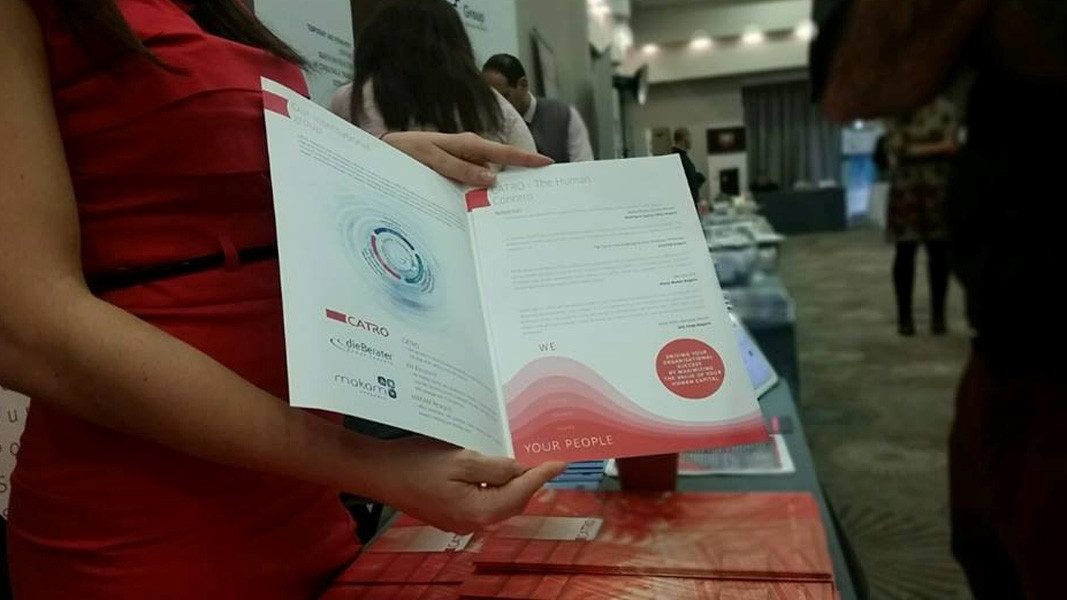
CATRO Bulgaria, a leading Austrian consultancy group in human resources management and development, conducted a survey on refugee employment in this country and the measures that would help more refugees find their place on the labour market. The survey was conducted among 14 key stakeholders and 15 employers from across the country. Many of the companies operate in the processing industry, 13 percent say they have previous experience with employees who are refugees, and 87 percent say they have never hired refugees.
The survey indicates that the reasons why employers are avoiding hiring refugees is poor command of the Bulgarian language, uncertainty as to the duration of employment, lack of documents certifying level of education and qualification, additional legal and administrative requirements, as well as cultural differences and prejudice.
They do not expect us to give them a job without any effort on their part, or a home, what they do expect is that we provide the conditions in which they can unfold their potential. That is the first myth the CATRO survey shatters. The experience of the HR specialists shows that refugees are not people who do not want to work, or who expect anything to be served to them on a platter. They are people coming here with lower levels of educational attainment, but that does not mean they do not want to obtain an education or to develop. 50 percent of the refugees in Bulgaria have a primary and lower secondary education, 14 percent – a secondary education, very few have a university degree.
There were 241 refugees registered at the Caritas, Sofia career centre last year. People who are determined to find a job through mediation.
Timișoara, a large multicultural city in western Romania, is the center of the historical community of the Banat Bulgarians . The members of this community are descendants of settlers from the Bulgarian lands nearly three centuries ago, who have..

In Gabrovo – a city in the geographical center of Bulgaria, once described as the Bulgarian Manchester, but today facing demographic challenges – there are young people who believe that the future can be better and that this largely..

For 15 years, Stela Nedkova has been living in Brussels . After completing her education in Bulgaria, she decided to test herself in a different reality to see whether she could handle life’s challenges on her own, without her parents’ help. Stela faced..






 Значителна облачност със сняг
 Cloudy
 Rain / Snow
 Snow
Snow