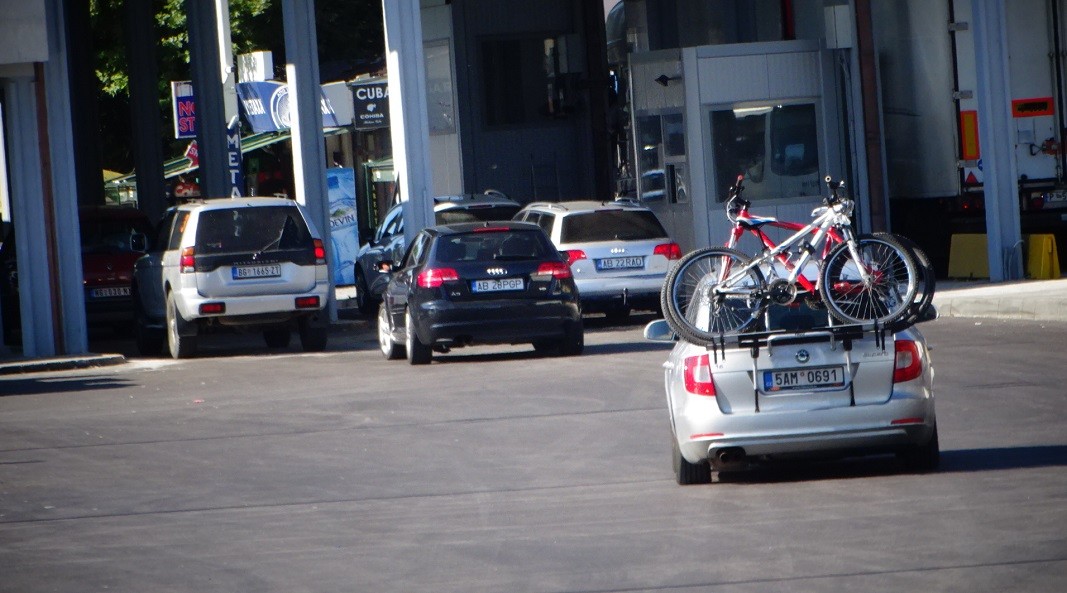
As of today, EU citizens including Bulgarian nationals travelling to Greece via Kulata-Promachonas border crossing are required to show proof of negative PCR tests translated in English. The form must contain first, middle and surname of the passengers and number of their ID card or passport. The certificate must be issued by a laboratory authorized to perform PCR tests. The authenticity of the results is checked by the Greek authorities. They will continue making random PCR tests at the border. People travelling to Greece also present a QR code generated after sumitting a Passenger Locator Form- PLF. Only seasonal workers are allowed to cross other border checkpoints at the Bulgaria-Greece border. For the purpose, they must present an employment contract to the border authorities. These measures are in force until July 29 and may be extended further. The number of people willing to spend their summer holiday in Greece decreased after this country introduced the requirement for negative PCR tests. Car traffic at Kulata-Promachonas border crossing is normal. However, cargo traffic is more intense.
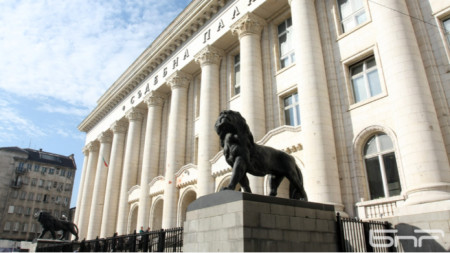
Judges have opposed the introduction of a new antivirus agent on their computers. The magistrates fear that it could violate personal data protection rules and compromise the independence of the judiciary. In an official letter, the Bulgarian..
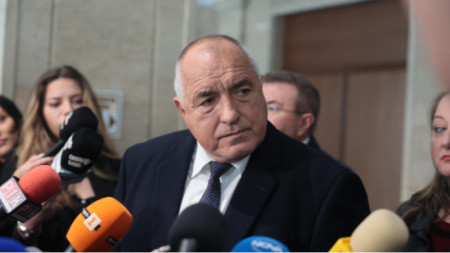
GERB leader Boyko Borisov said in Parliament that Bulgaria will become a member of the eurozone on January 1, regardless of protests organized by representatives of We Continue the Change Democratic Bulgaria (PP-DB). He was commenting on opposition..
Six countries, including Bulgaria, are at risk of non compliance with the EU fiscal framework in 2026. This is highlighted in the 2026 European Semester Autumn Package, adopted by the European Commission. Another 12 countries are urged to continue..





 Cloudy
 Mostly Cloudy
 Cloudy