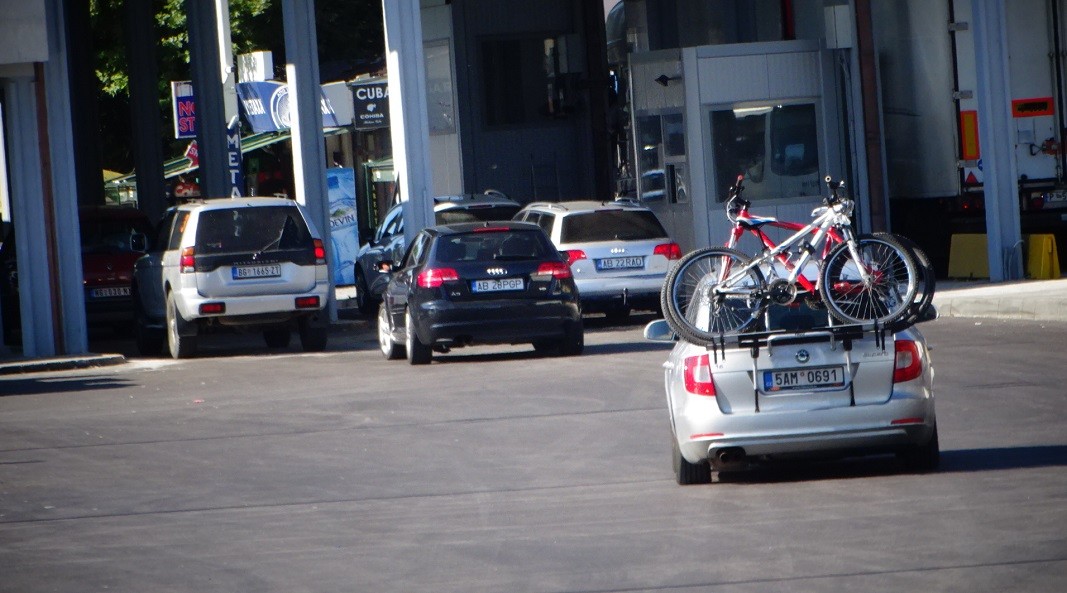
As of today, EU citizens including Bulgarian nationals travelling to Greece via Kulata-Promachonas border crossing are required to show proof of negative PCR tests translated in English. The form must contain first, middle and surname of the passengers and number of their ID card or passport. The certificate must be issued by a laboratory authorized to perform PCR tests. The authenticity of the results is checked by the Greek authorities. They will continue making random PCR tests at the border. People travelling to Greece also present a QR code generated after sumitting a Passenger Locator Form- PLF. Only seasonal workers are allowed to cross other border checkpoints at the Bulgaria-Greece border. For the purpose, they must present an employment contract to the border authorities. These measures are in force until July 29 and may be extended further. The number of people willing to spend their summer holiday in Greece decreased after this country introduced the requirement for negative PCR tests. Car traffic at Kulata-Promachonas border crossing is normal. However, cargo traffic is more intense.
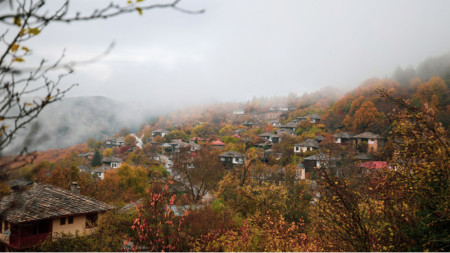
On Wednesday , the lowest temperatures will be between 3 and 8°C. In the regions with strong wind it will be up to 10-12°C. In Sofia it will be around 4°C. In the western parts of the Danube Plain and the Upper Thracian Plain it will..
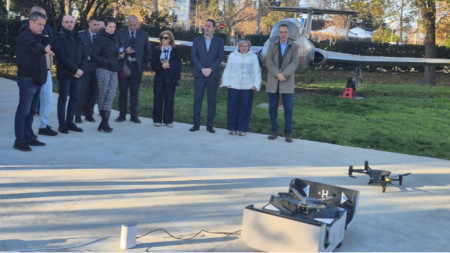
Following a series of fires in the Burgas area last summer, including one that destroyed homes in a local villa district, the Burgas municipality has acquired high-tech drones equipped with thermal cameras, night vision, and 3D imaging . The two..
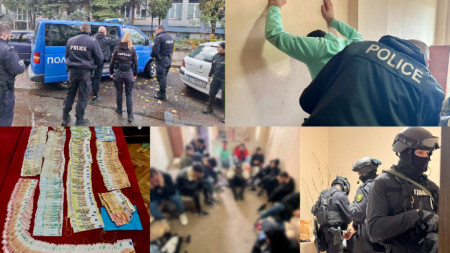
Illegal migrants from Syria, Iraq and Iran have been discovered in Sofia, and ten members of an organised criminal group have been arrested , Deputy City Prosecutor Desislava Petrova told reporters. Two of those arrested have been charged as the..





 Cloudy
 Cloudy
 Mostly Cloudy