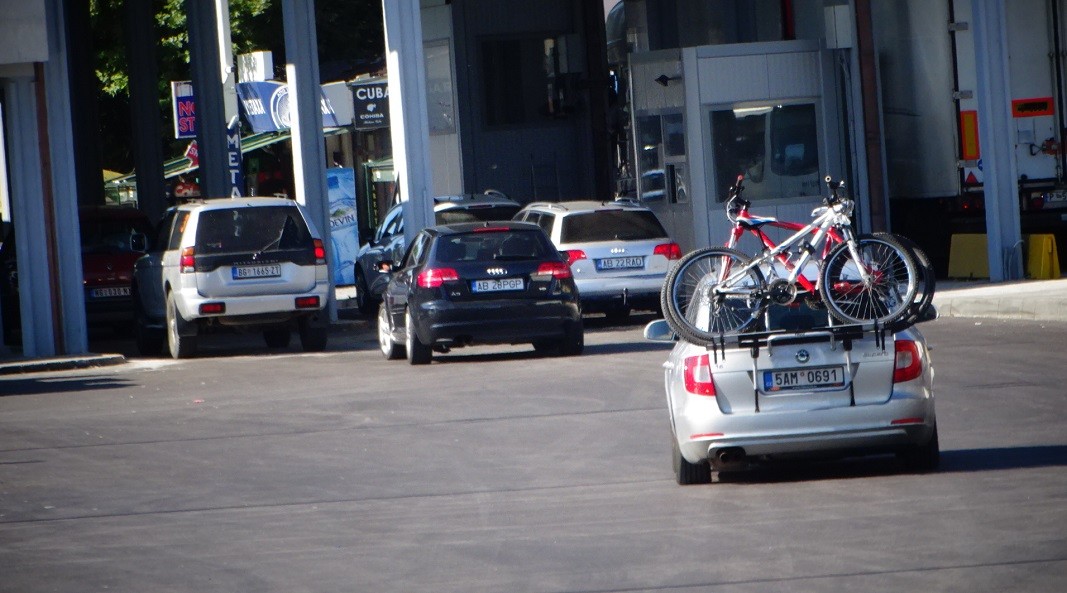
As of today, EU citizens including Bulgarian nationals travelling to Greece via Kulata-Promachonas border crossing are required to show proof of negative PCR tests translated in English. The form must contain first, middle and surname of the passengers and number of their ID card or passport. The certificate must be issued by a laboratory authorized to perform PCR tests. The authenticity of the results is checked by the Greek authorities. They will continue making random PCR tests at the border. People travelling to Greece also present a QR code generated after sumitting a Passenger Locator Form- PLF. Only seasonal workers are allowed to cross other border checkpoints at the Bulgaria-Greece border. For the purpose, they must present an employment contract to the border authorities. These measures are in force until July 29 and may be extended further. The number of people willing to spend their summer holiday in Greece decreased after this country introduced the requirement for negative PCR tests. Car traffic at Kulata-Promachonas border crossing is normal. However, cargo traffic is more intense.
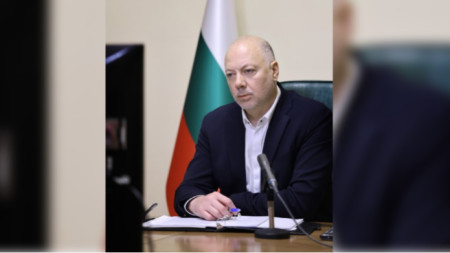
“Borders cannot be changed by force, and Ukraine’s long-term security must be guaranteed”, Bulgaria’s Premier Rossen Zhelyazkov said during a videoconference meeting of the “Coalition of the Willing”, led by French President Emmanuel Macron and UK..

Business forum on the topic "Bulgaria - China: cooperation in the automotive sector" is being held on November 26 in Sofia. Its organizers are the Bulgarian Chamber of Commerce and Industry and the Embassy of the People's Republic of..
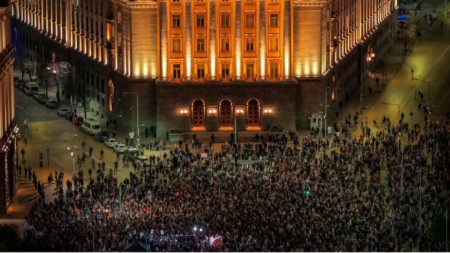
The Bulgarian Industrial Capital Association has called for participation in a protest on November 26 against the budget for 2026, which is about to be adopted at second reading. "We call not only our members, but also all..






 Cloudy
 Cloudy
 Mostly Cloudy