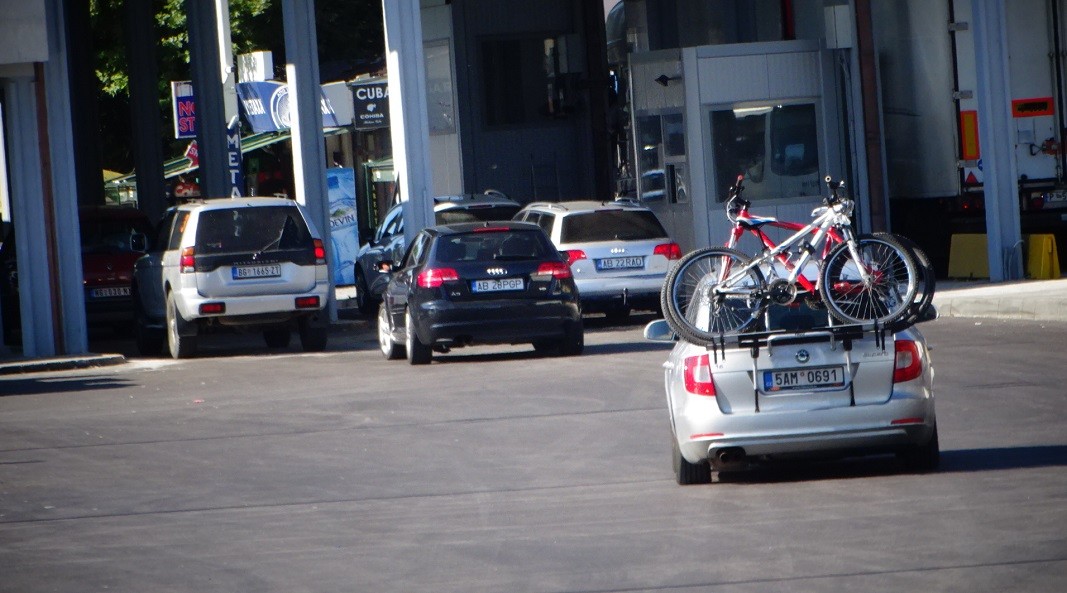
As of today, EU citizens including Bulgarian nationals travelling to Greece via Kulata-Promachonas border crossing are required to show proof of negative PCR tests translated in English. The form must contain first, middle and surname of the passengers and number of their ID card or passport. The certificate must be issued by a laboratory authorized to perform PCR tests. The authenticity of the results is checked by the Greek authorities. They will continue making random PCR tests at the border. People travelling to Greece also present a QR code generated after sumitting a Passenger Locator Form- PLF. Only seasonal workers are allowed to cross other border checkpoints at the Bulgaria-Greece border. For the purpose, they must present an employment contract to the border authorities. These measures are in force until July 29 and may be extended further. The number of people willing to spend their summer holiday in Greece decreased after this country introduced the requirement for negative PCR tests. Car traffic at Kulata-Promachonas border crossing is normal. However, cargo traffic is more intense.

“I call on all representatives of the Movement for Rights and Freedoms in local government — mayors and municipal councilors — to ensure security and predictability for the people and to take the necessary steps to keep all local taxes and fees..
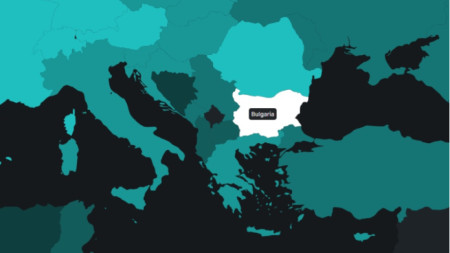
Bulgaria has climbed to 11th place in this year’s Digital Quality of Life 2025 (DQL) index published by Surfshark, up from 18th last year, BTA reported. The index evaluates countries’ digital well-being across five dimensions: fixed broadband..

Around 90% of the antiques seized during an international operation targeting a cultural property trafficking network will be returned to Bulgaria, Deputy Minister of Culture Todor Chobanov told “Nova TV”. “This is an unprecedented operation in..





 Mostly Cloudy
 Cloudy
 Partly Cloudy