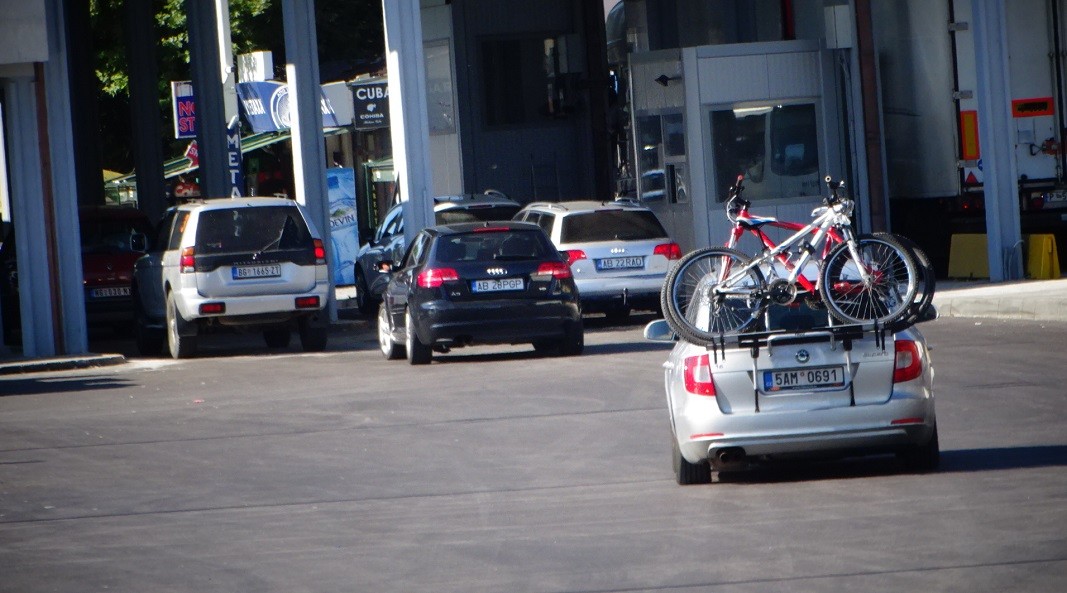
As of today, EU citizens including Bulgarian nationals travelling to Greece via Kulata-Promachonas border crossing are required to show proof of negative PCR tests translated in English. The form must contain first, middle and surname of the passengers and number of their ID card or passport. The certificate must be issued by a laboratory authorized to perform PCR tests. The authenticity of the results is checked by the Greek authorities. They will continue making random PCR tests at the border. People travelling to Greece also present a QR code generated after sumitting a Passenger Locator Form- PLF. Only seasonal workers are allowed to cross other border checkpoints at the Bulgaria-Greece border. For the purpose, they must present an employment contract to the border authorities. These measures are in force until July 29 and may be extended further. The number of people willing to spend their summer holiday in Greece decreased after this country introduced the requirement for negative PCR tests. Car traffic at Kulata-Promachonas border crossing is normal. However, cargo traffic is more intense.
Two billion euros in additional state guarantees and a concession of the Bulgarian Sports Totalizator are part of changes to the draft budget for 2026, submitted between the first and second readings. The change that increases the..
The increase in the minimum wage is supported by 54.1% of Bulgarians. 1/3 of respondents believe that the minimum wage should be equal to the living wage. This is indicated by the results of a representative survey by the Myara..

“We see a rational plan for a quick peace from President Donald Trump, according to which the situation on the battlefield is developing extremely unfavorably for Ukraine, and he is trying to prevent a worse scenario and additional casualties,”..






 Mostly Cloudy
 Partly Cloudy
 Cloudy
 Fog
Fog